Short answer: Dementia is an umbrella term for a group of symptoms, such as memory loss, confusion and problems with thinking, language and everyday tasks, caused by damage to the brain. Alzheimer’s disease is one specific disease that causes dementia, and it is the most common cause. So all Alzheimer’s disease (at the dementia stage) is dementia, but not all dementia is Alzheimer’s.
Other common causes include vascular dementia, dementia with Lewy bodies and frontotemporal dementia, and many people have more than one type (“mixed dementia”). The difference matters, because symptoms, treatments and what to expect can vary. If you are worried about yourself or someone close to you, the first step is to see a GP.
I will be honest with you: people often use “dementia” and “Alzheimer’s” as if they mean the same thing, and that confusion can make an already worrying time harder. Doctors, care staff and charities use the words in specific ways, and understanding the difference helps you ask the right questions, follow a diagnosis, and know what support is available. This guide explains both terms clearly, the main types of dementia, early signs, how diagnosis works, current treatments, what research says about reducing risk, and where to get help.

The key difference in one table
| Dementia | Alzheimer’s disease | |
|---|---|---|
| What it is | A syndrome: a set of symptoms | A specific brain disease |
| Causes | Many diseases and conditions | Build-up of amyloid plaques and tau tangles, with loss of brain cells |
| Relationship | The overall category | The most common cause of dementia |
| Typical early sign | Depends on the cause | Often memory problems, especially for recent events |
| Example comparison | Like “heart disease” | Like one particular type of heart condition |
A helpful comparison: “dementia” is like the word “arthritis”, which covers several different conditions with similar symptoms. “Alzheimer’s disease” is like one specific kind of arthritis. When a doctor says someone has dementia, it is reasonable to ask: “Which type do you think it is?”
What is dementia?
The NHS describes dementia as a group of symptoms associated with an ongoing decline of brain functioning. It is not a normal part of ageing, although it becomes more common with age. Symptoms can include:
| Area | Possible symptoms |
|---|---|
| Memory | Forgetting recent conversations or events, repeating questions |
| Thinking and reasoning | Difficulty planning, solving problems or following steps |
| Language | Struggling to find the right words or follow a conversation |
| Orientation | Confusion about time or place, getting lost in familiar areas |
| Mood and behaviour | Anxiety, low mood, irritability, withdrawal or personality changes |
| Daily living | Difficulty with tasks such as cooking, managing money or dressing |
The World Health Organization estimates that 57 million people were living with dementia worldwide in 2021, with nearly 10 million new cases each year. Dementia is a leading cause of disability and dependency among older people.
What is Alzheimer’s disease?
Alzheimer’s disease is a progressive brain disease. Abnormal proteins build up in the brain: amyloid forms “plaques” between nerve cells and tau forms “tangles” inside them. Over time, connections between nerve cells are lost and brain cells die, and the brain shrinks, particularly in areas involved in memory such as the hippocampus.
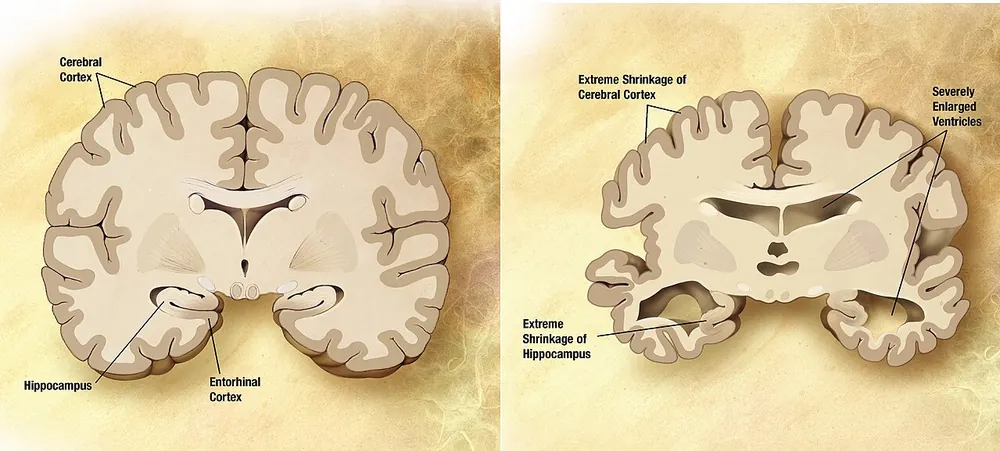
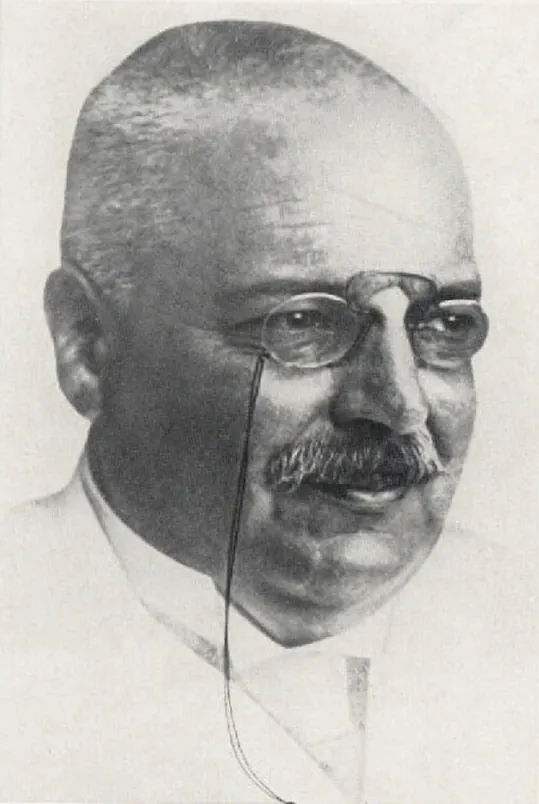
The disease is named after the German psychiatrist Alois Alzheimer, who in 1906 described the case of a patient, Auguste Deter, whose memory loss and confusion were accompanied by unusual changes he found in her brain after her death. The WHO says Alzheimer’s disease may contribute to 60–70% of dementia cases.
Alzheimer’s changes begin in the brain many years before symptoms appear. Doctors now talk about a continuum, from changes with no symptoms, to mild cognitive impairment, to dementia caused by Alzheimer’s disease.
The main types of dementia
| Type | What happens | Typical early features |
|---|---|---|
| Alzheimer’s disease | Amyloid plaques and tau tangles damage brain cells | Memory loss for recent events; word-finding problems |
| Vascular dementia | Reduced blood flow damages the brain, for example after strokes | Slower thinking, problems with planning and concentration; may progress in steps |
| Dementia with Lewy bodies | Abnormal protein deposits called Lewy bodies | Fluctuating alertness, visual hallucinations, movement problems |
| Frontotemporal dementia | Damage to the frontal and temporal lobes | Changes in personality, behaviour or language; often under 65 |
| Mixed dementia | More than one cause, often Alzheimer’s and vascular | A combination of features |
Vascular dementia is generally considered the second most common type. Frontotemporal dementia is less common overall but is a significant cause of dementia in people under 65, often called young-onset dementia.
How dementia changes over time
Dementia is usually progressive, meaning symptoms gradually get worse, but the speed varies greatly between people and types. Doctors and charities often describe three broad stages:
| Stage | What it can look like | Support that helps |
|---|---|---|
| Early (mild) | Forgetfulness, word-finding problems, difficulty with complex tasks; mostly independent | Diagnosis, planning ahead, staying active and connected |
| Middle (moderate) | More confusion, needing help with daily tasks, changes in mood or behaviour | Routines, practical help at home, carer support |
| Later (severe) | Needing help with most personal care, communication and mobility | Specialist care, comfort, dignity and palliative support |
Vascular dementia can progress in a “stepped” way, with sudden changes after small strokes, while Alzheimer’s disease tends to progress more gradually. Dementia with Lewy bodies often involves symptoms that fluctuate from day to day.
Normal ageing or something more?
| Often part of normal ageing | Worth discussing with a GP |
|---|---|
| Occasionally forgetting a name, then remembering it later | Frequently forgetting recent events or conversations |
| Misplacing keys now and then | Putting things in unusual places and being unable to retrace steps |
| Taking a little longer to learn new things | Struggling with familiar tasks, such as following a recipe or paying bills |
| Sometimes searching for a word | Regularly losing track of conversations or words |
| Feeling tired of social obligations at times | Withdrawing, or notable changes in mood or personality |
Memory and thinking problems are not always caused by dementia. Depression, anxiety, thyroid problems, vitamin B12 deficiency, infections, side effects of medicines and sleep problems can all cause similar symptoms, and many are treatable. That is one of the most important reasons to see a GP rather than worry alone.
How dementia is diagnosed
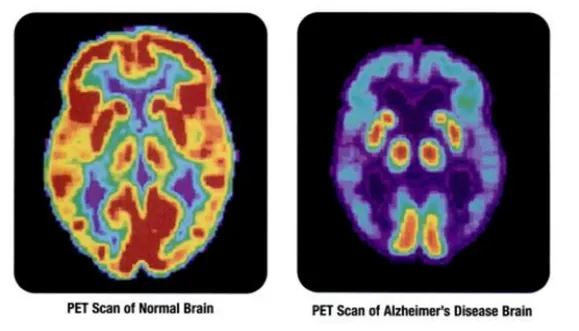
In some cases specialists use additional tests, such as specialised PET scans or a lumbar puncture to measure proteins in the spinal fluid, especially when new treatments are being considered or the diagnosis is uncertain. Blood tests for Alzheimer’s-related proteins are an active area of research and are beginning to be used in some settings.
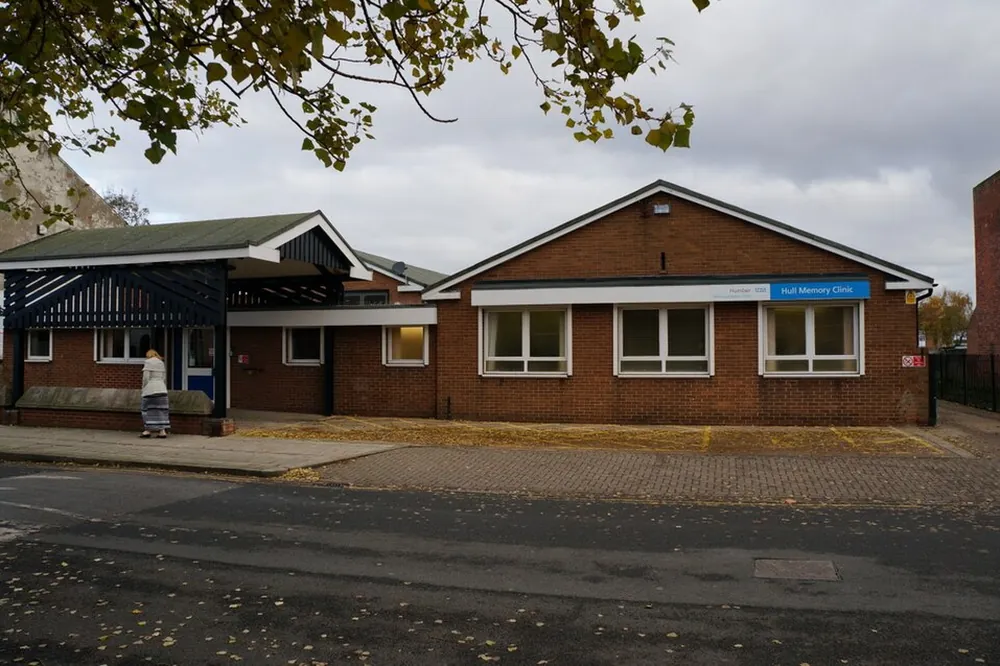
Questions to ask at a memory clinic
- Which type of dementia do you think this is, and how sure are you?
- What tests have been done, and are any more needed?
- Which treatments might help, and what side effects should we watch for?
- What changes should we expect, and over roughly what timescale?
- Who is our main contact if things change?
- What local support, groups or services can you refer us to?
- Are there research studies we could consider joining?
Writing questions down beforehand, and bringing someone to take notes, makes these appointments much easier.
Treatment: what is available
There is currently no cure for Alzheimer’s disease or most other types of dementia, but treatments can help some symptoms, and support can make a big difference to quality of life.
| Treatment | Used for | What it does |
|---|---|---|
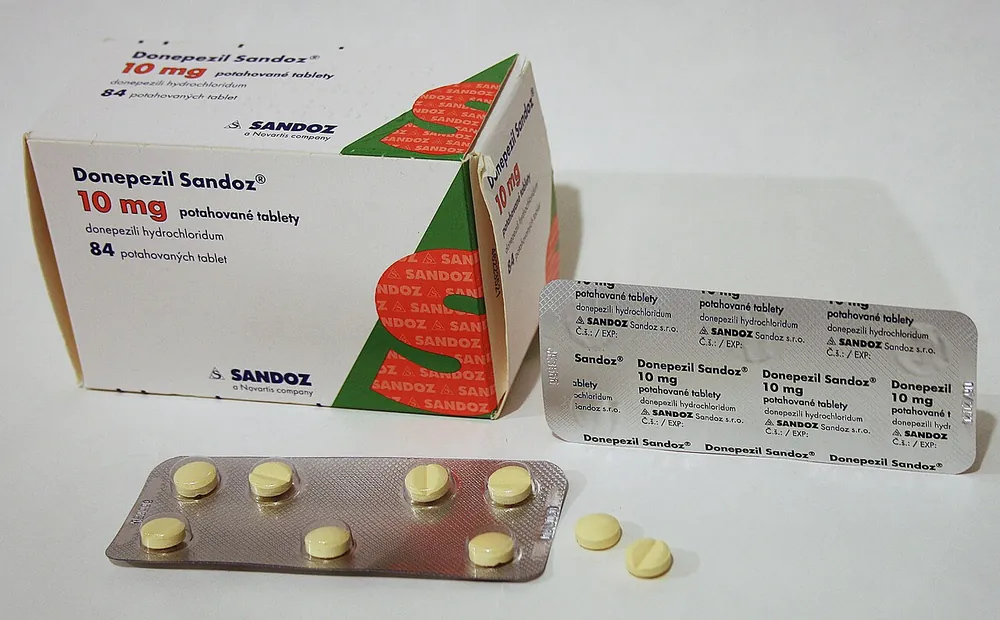
| Donepezil, rivastigmine, galantamine | Mild to moderate Alzheimer’s; also Lewy body and Parkinson’s disease dementia | Can help memory and thinking symptoms for a time in some people |
| Memantine | Moderate to severe Alzheimer’s, or when the above are unsuitable | May help with thinking and some behavioural symptoms |
| Managing vascular risk factors | Vascular and mixed dementia | Controlling blood pressure, cholesterol and diabetes to reduce further damage |
| Cognitive stimulation therapy | Mild to moderate dementia | Group activities shown to help thinking and wellbeing |
| Support for mood, sleep and behaviour | All types | Treating depression, anxiety and sleep problems; non-drug approaches first |
New antibody drugs
Two newer drugs, lecanemab and donanemab, target amyloid in the brain and have been shown in trials to modestly slow decline in people with early Alzheimer’s disease. Both were licensed by the UK medicines regulator, the MHRA, in 2024. However, they require specific tests to confirm amyloid, regular infusions and scans to monitor for side effects such as brain swelling or bleeding, and NICE, which advises the NHS in England, has not recommended them for routine NHS use on cost-effectiveness grounds. Treatment rules may change, so ask a specialist about the latest position.
Can dementia be prevented?
There is no guaranteed way to prevent dementia, but research suggests a lot can be done to lower risk. The 2024 Lancet Commission on dementia prevention, intervention and care identified 14 modifiable risk factors across life and estimated that nearly half of dementia cases could, in theory, be prevented or delayed by addressing them.
| Life stage | Risk factors identified by the Lancet Commission (2024) |
|---|---|
| Early life | Less education |
| Midlife | Hearing loss, high LDL cholesterol, depression, traumatic brain injury, physical inactivity, diabetes, smoking, high blood pressure, obesity, excessive alcohol |
| Later life | Social isolation, air pollution, untreated vision loss |
Practical steps include treating hearing loss (for example with hearing aids), keeping blood pressure and cholesterol in check, staying physically active, not smoking, drinking within recommended limits, staying socially connected and protecting your head during sport and cycling. Age and genetics, which cannot be changed, also play a part.
Common myths about dementia
| Myth | Fact |
|---|---|
| Dementia is a normal part of getting old | It becomes more common with age but is caused by diseases, not ageing itself |
| Dementia and Alzheimer’s are the same thing | Alzheimer’s is the most common cause of dementia, but there are many others |
| Only memory is affected | Dementia can affect language, mood, behaviour, vision, movement and judgement |
| Nothing can be done after a diagnosis | Treatments, support and planning can improve quality of life for years |
| Only older people get dementia | Young-onset dementia affects people under 65 |
| If a parent had dementia, I will get it | Most dementia is not directly inherited; many risk factors can be influenced |
Living well after a diagnosis
| Area | What helps |
|---|---|
| Planning ahead | Set up lasting powers of attorney while the person can still make decisions |
| Routine | Regular daily routines, reminders and calendars |
| Home safety | Good lighting, removing trip hazards, safety devices for cookers |
| Staying active | Walking, hobbies, music and social activities |
| Driving | In the UK, you must tell the DVLA about a dementia diagnosis |
| Money | Check benefits such as Attendance Allowance and council tax reductions |
Young-onset dementia
Dementia is usually associated with older age, but it can affect people under 65, when it is known as young-onset dementia. It brings particular challenges: symptoms may be mistaken for stress, depression or menopause; people may still be working, raising children or paying a mortgage; and services designed for older people may not suit them. Frontotemporal dementia and rarer inherited forms make up a larger share of cases in younger people. Specialist services and charities, including Young Dementia Network resources from Dementia UK, offer support tailored to younger people and their families.
How to raise memory worries with someone
- Choose a calm moment in a familiar, private place.
- Focus on care, not blame. Say what you have noticed and why you are concerned.
- Mention other possible causes. Explaining that many memory problems are treatable can make a GP visit feel less frightening.
- Offer to go with them to the appointment and to help keep notes.
- Be patient. It may take more than one conversation.
Tips for communicating with someone with dementia
| Helpful | Try to avoid |
|---|---|
| Speak clearly and calmly, one idea at a time | Long, complicated questions |
| Use names and make eye contact | Talking about the person as if they are not there |
| Allow time for answers | Rushing or finishing their sentences |
| Go along with their reality where it is harmless | Arguing or repeatedly correcting |
| Use photos, music and familiar objects | Testing their memory with “do you remember?” |
Support for carers
Caring for someone with dementia can be rewarding but also exhausting. In England, carers have the right to a carer’s assessment from their local council, which can lead to practical support. Charities offer helplines, local groups and specialist nurses.
| Organisation | What it offers |
|---|---|
| Alzheimer’s Society | Information, a dementia support line and local services |
| Dementia UK | Admiral Nurses, specialist dementia nurses, and a helpline |
| Alzheimer’s Research UK | Research news and information about risk and diagnosis |
| Age UK | Advice on care, benefits and local support for older people |
| Carers UK | Advice and support for unpaid carers |
For related health information, see our guide to behavioural therapy, which covers approaches sometimes used to help with mood and behaviour.
More health guides: full body scans in Turkey, full body MRI costs in the US, mold testing for children, mold exposure symptoms in kids, hair transplants in Turkey, dental implants in Turkey, mucus in stool, behavioural therapy.
Frequently asked questions
What is the difference between dementia and Alzheimer’s?
Dementia is a group of symptoms caused by brain damage; Alzheimer’s disease is a specific disease and the most common cause of dementia.
Is Alzheimer’s worse than dementia?
Not exactly; they are not separate conditions to compare. Alzheimer’s is one cause of dementia, and how dementia progresses depends on its type and the individual.
Can you have dementia without Alzheimer’s?
Yes. Vascular dementia, dementia with Lewy bodies and frontotemporal dementia are examples.
What are the first signs of Alzheimer’s?
Often problems remembering recent events or conversations, repeating questions, and difficulty finding words.
Is memory loss always dementia?
No. Depression, thyroid problems, vitamin deficiencies, infections and medicines can all affect memory. See a GP.
How is dementia diagnosed?
Through a GP assessment, blood tests and memory tests, then usually a memory clinic referral, detailed tests and brain scans.
Is there a cure for Alzheimer’s?
Not yet. Medicines can help symptoms for some people, and newer drugs may slow early disease modestly but are not routinely available on the NHS.
Can dementia be prevented?
Not guaranteed, but the 2024 Lancet Commission estimated nearly half of cases could theoretically be prevented or delayed by tackling 14 risk factors.
Is dementia hereditary?
Most dementia is not directly inherited, though genes affect risk. Rare forms, often starting young, can run in families.
Who can help after a diagnosis?
Your GP and memory clinic, plus charities such as Alzheimer’s Society, Dementia UK and Age UK.
Final thoughts
Dementia is the umbrella; Alzheimer’s disease is the most common cause beneath it. Knowing the difference helps you understand a diagnosis, ask the right questions and find the right support. If you are worried about memory or thinking changes, in yourself or someone else, do not wait: speak to a GP, because some causes are treatable, and an early diagnosis opens the door to treatment, planning and help.
Sources: NHS information on dementia and Alzheimer’s disease; World Health Organization dementia fact sheet; Livingston G et al., “Dementia prevention, intervention, and care: 2024 report of the Lancet standing Commission”, The Lancet (2024); MHRA and NICE publications on lecanemab and donanemab; Alzheimer’s Society, Dementia UK and Alzheimer’s Research UK information; DVLA guidance on dementia and driving. Images: Wikimedia Commons, credited in each caption.