Short answer: the most common symptoms of mold exposure in children are allergy-type and breathing symptoms: a stuffy or runny nose, sneezing, coughing, wheezing, red, itchy or watery eyes, and sometimes an itchy rash. Children with asthma or allergies react most strongly, and mold can trigger asthma flare-ups. Symptoms often improve when the child is away from home and return when they come back.
Most children with mild symptoms recover once the moisture problem is fixed and the mold removed. Get medical help urgently if your child is struggling to breathe, wheezing badly, has blue-tinged lips, or is very unwell. Babies and children with weakened immune systems need extra care.
I will be honest with you: “is mold making my child ill?” is one of the most worrying questions a parent can ask, and the internet does not make it easier. You will find everything from sensible advice to frightening claims about “toxic mold” causing almost any symptom. This guide sticks to what the major health agencies say: which symptoms are genuinely linked to damp and mold, which children are most at risk, how to tell mold reactions from a cold, when to see a doctor, and what to do at home.
Common symptoms of mold exposure in children
| Area | Symptoms | Notes |
|---|---|---|
| Nose and throat | Stuffy or runny nose, sneezing, sore or scratchy throat | The most common reaction |
| Chest | Coughing, wheezing, shortness of breath | Especially in children with asthma |
| Eyes | Red, itchy or watery eyes | Allergic conjunctivitis |
| Skin | Itchy rash or irritation | Less common |
| General | Tiredness or poor sleep from a blocked nose or night cough | Often a knock-on effect |
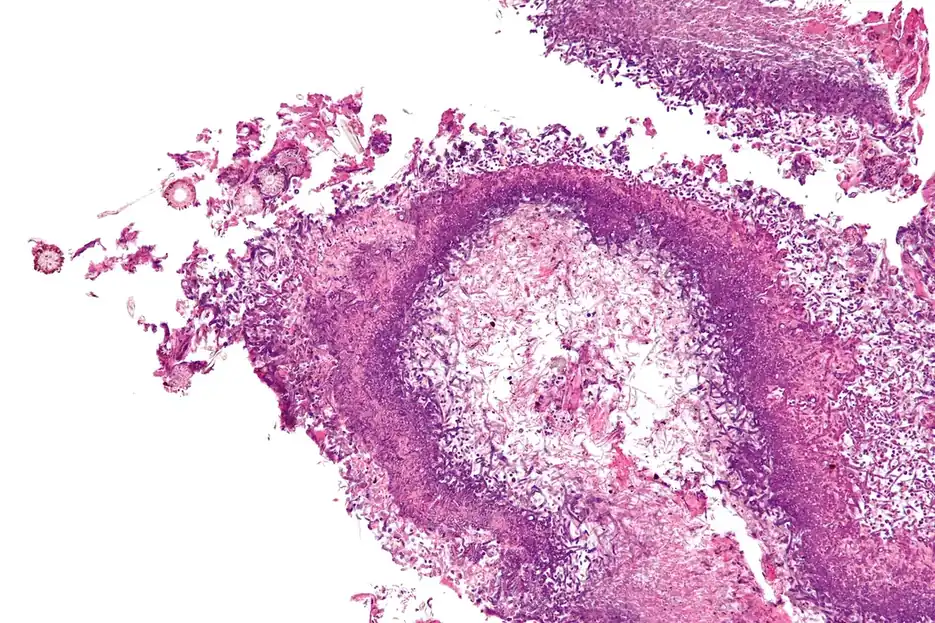
The US National Academies (then the Institute of Medicine) reviewed the evidence in 2004 and found sufficient evidence linking damp, moldy indoor environments to upper-respiratory symptoms, cough, wheeze and asthma symptoms in people with asthma. The World Health Organization reached similar conclusions in its 2009 guidelines on dampness and mould.
Which children are most at risk?
| Child | Why they are more vulnerable | What to do |
|---|---|---|
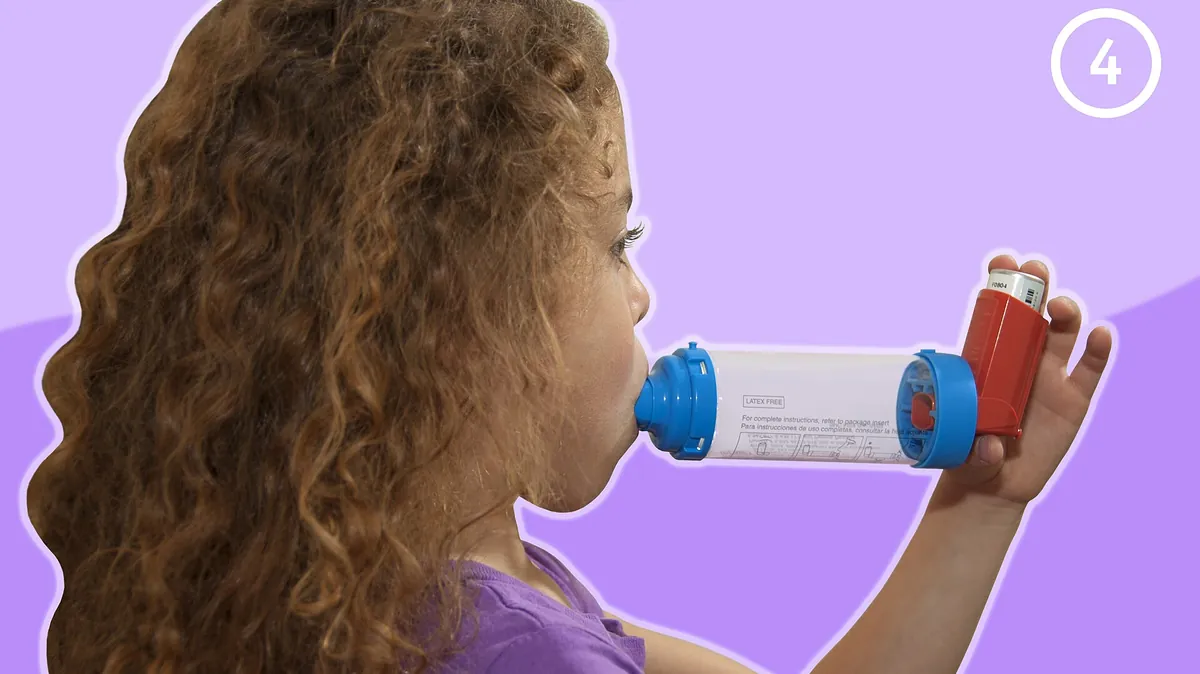
| Children with asthma | Mold can trigger attacks and worsen control | Follow their asthma plan; fix damp urgently |
| Children with allergies or eczema | More likely to be sensitised to mold | Discuss allergy testing with a doctor |
| Babies and toddlers | Breathe faster, spend more time indoors and close to floors | Keep sleeping areas dry and ventilated |
| Children with weakened immune systems | Rarely, at risk of fungal infections | Seek medical advice promptly |
| Children with chronic lung conditions | Already reduced lung reserve | Involve their specialist team |
Mold reaction, cold or seasonal allergy?
| Clue | Cold | Mold reaction |
|---|---|---|
| Fever | Sometimes | No |
| How long it lasts | About 7-10 days | As long as exposure continues |
| Pattern | Comes and goes | Worse at home (or in one room), better away |
| Itchy eyes | Rarely | Often |
| Season | Any, often winter | Any; often worse in damp months |
My advice: keep a simple symptom diary for two weeks, noting where your child slept and spent time and how they were each day. Patterns (worse in one bedroom, better at grandparents’ house, worse after rain) are exactly what a doctor finds useful.
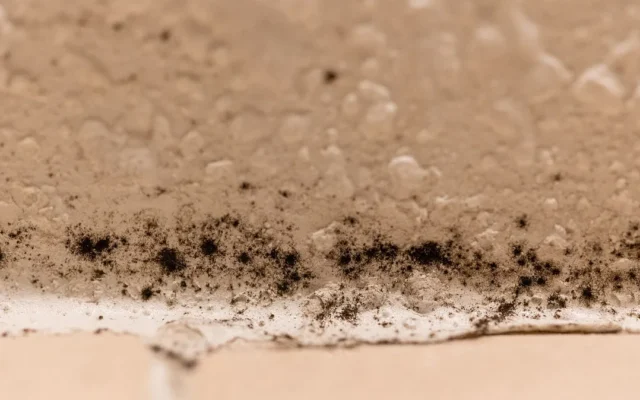
Where mold hides in a family home
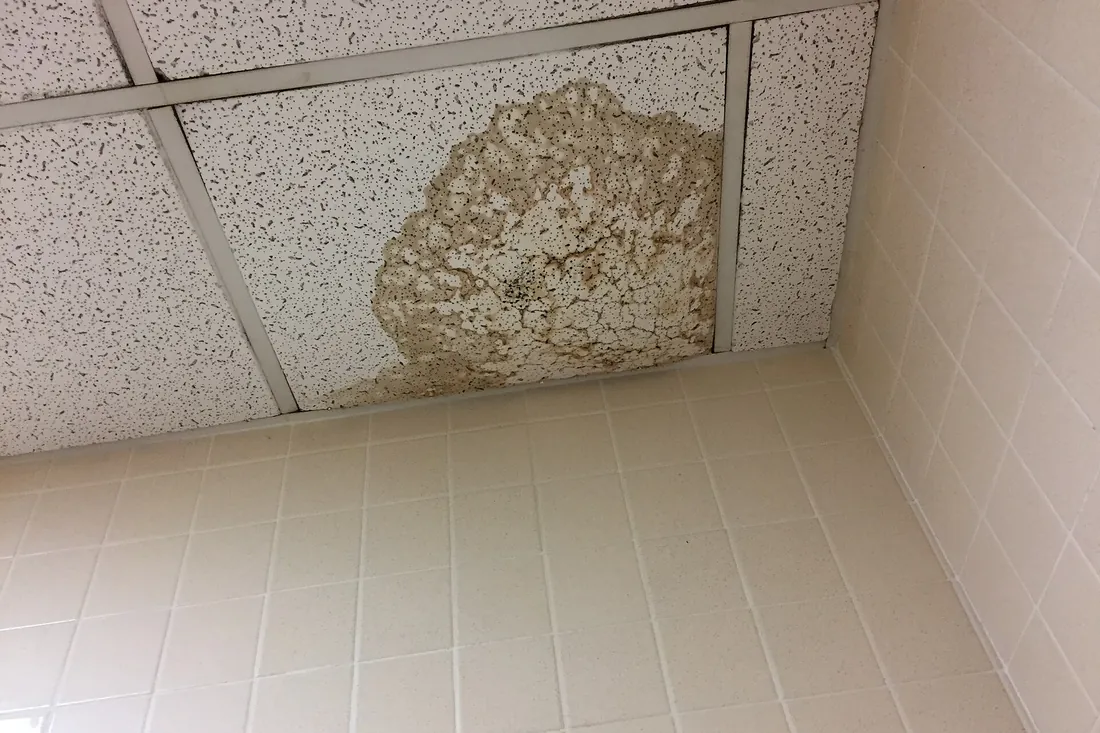
- Bathrooms: around showers, grout, sealant and ceilings.
- Bedrooms: behind furniture against cold outside walls, and around windows with condensation.
- Under sinks and around washing machines.
- Basements and crawl spaces.
- Behind wallpaper and under carpets after leaks or floods.
- Air conditioners, humidifiers and their drip trays.
“Toxic black mold”: what the evidence says
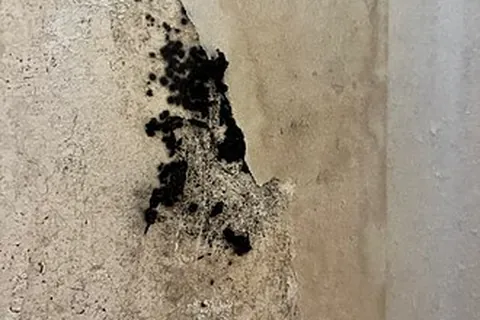
Some molds, including Stachybotrys chartarum, can produce toxins (mycotoxins), which is why “toxic black mold” stories are so common. The CDC’s position is that all indoor mold growth should be removed, whatever the species, and that there is no reliable test to link mold exposure to a specific health problem in an individual. In the 1990s, a cluster of serious lung bleeding in infants in Cleveland was initially linked to Stachybotrys, but later CDC reviews found the evidence for that link was insufficient. Be wary of clinics or websites selling “mycotoxin” urine tests or detox treatments for children; these are not validated.
When to see a doctor
| Situation | What to do |
|---|---|
| Trouble breathing, severe wheezing, blue-tinged lips, very drowsy or unwell | Emergency care now (call 911 in the US) |
| Asthma symptoms more frequent or reliever inhaler needed more often | Contact your child’s doctor soon |
| Persistent cough, congestion or eye symptoms for weeks | Book a doctor’s appointment |
| A baby with a persistent cough or noisy breathing | See a doctor promptly |
| Symptoms clearly linked to a damp home | Mention it; ask about allergy testing |
A doctor may examine your child, review their asthma control and, if allergy is suspected, refer them for a skin-prick or blood test. Our guide to mold testing for babies and children explains which tests are useful, for your home and for your child.
What to do at home
More health guides: full body MRI costs in the US and full body scans in Turkey.
Frequently asked questions
What are the symptoms of mold exposure in children?
A stuffy or runny nose, sneezing, coughing, wheezing, red or itchy eyes and sometimes skin irritation. Children with asthma or allergies tend to react most.
How do I know if mold is making my child sick?
Look for symptoms that are worse at home (or in one room) and better away, alongside visible mold, damp or a musty smell. A doctor can help confirm the trigger.
Can mold cause asthma in children?
Damp and moldy homes are linked to worse asthma symptoms and wheezing, and some evidence links early exposure to developing asthma. Fixing damp is important for children with asthma.
How long does it take for mold symptoms to go away?
Often days to a few weeks after the moisture problem is fixed and mold removed, though children with asthma may need treatment adjustments.
Is black mold dangerous to children?
All indoor mold should be removed. The CDC advises treating all molds the same way and notes there is no reliable test to link exposure to a specific illness.
Should I get my child tested for mold?
If allergy is suspected, a doctor may arrange a skin-prick or blood (IgE) test. Avoid unvalidated “mycotoxin” urine tests.
Can mold make a baby sick?
Babies can react to mold, especially if they have allergies or breathing problems. Keep sleeping areas dry and seek medical advice for persistent symptoms.
Can mold cause a fever?
Mold allergy does not usually cause fever. A fever suggests an infection; see a doctor if you are concerned.
Can mold cause headaches or tiredness?
Some people report these, often linked to poor sleep from congestion; the evidence for direct effects is weaker than for breathing symptoms.
When should I call a professional for mold?
For areas larger than about 10 square feet, after flooding, or when mold is in heating or air-conditioning systems.
Final thoughts
In children, mold exposure mostly shows up as allergy and breathing symptoms, with the strongest effects in those with asthma or allergies. Watch for patterns linked to your home, fix the moisture source, remove mold safely, and involve your child’s doctor, urgently if breathing is a problem.
Sources: US CDC guidance on mold and health; US EPA, “A Brief Guide to Mold, Moisture and Your Home”; Institute of Medicine, Damp Indoor Spaces and Health (2004); World Health Organization, Guidelines for Indoor Air Quality: Dampness and Mould (2009); CDC reviews of the Cleveland infant pulmonary hemorrhage cluster. Images: Wikimedia Commons, credited in each caption.