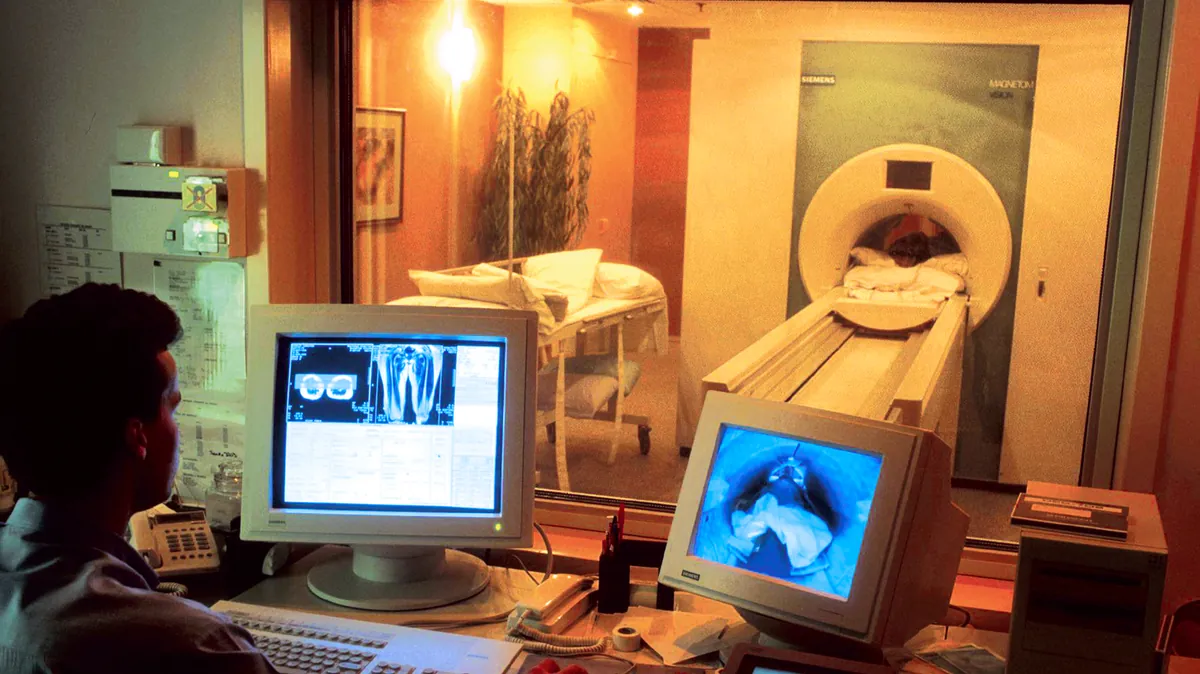
Short answer: a full body MRI in the US costs roughly $900 to $2,500 from the main direct-to-consumer screening companies, with premium “executive” packages around $4,000-$4,500. Prenuvo’s whole-body scan lists at about $2,499, and Ezra (now part of Function Health) about $999; some imaging chains run promotions below $900.
Health insurance almost never pays for a screening scan in someone without symptoms. And before you book, know that the American College of Radiology does not recommend whole-body screening for people with no symptoms or family history, mainly because of false alarms and the extra tests they trigger.
I will be honest with you: few health products have grown as fast, or divided doctors as sharply, as the consumer full body MRI. Celebrities post about them, the waiting rooms look like spas, and the pitch is powerful: see inside your body and catch problems early, with no radiation. The reality is more complicated. This guide gives you the real prices, what you actually get, who pays, what the scan can and cannot find, and the questions to ask before you spend the money.
How much does a full body MRI cost in the US?
| Provider / option | Typical price | What it covers |
|---|---|---|
| Ezra (Function Health) | About $999 | Head-to-pelvis full-body MRI |
| Prenuvo: whole body | About $2,499 | Head to toe, about an hour |
| Prenuvo: focused scans | About $1,199+ | Head and torso or specific areas |
| Premium / executive tiers | About $3,999-$4,499 | Extra sequences, consultations, some add-ons |
| Imaging-chain promotions (e.g. SimonMed) | From under $900 at times | Varies; check exactly what is scanned |
| Traditional hospital MRI of one body area | Often several hundred to a few thousand dollars | One region, ordered by a doctor for a symptom |
What you actually get
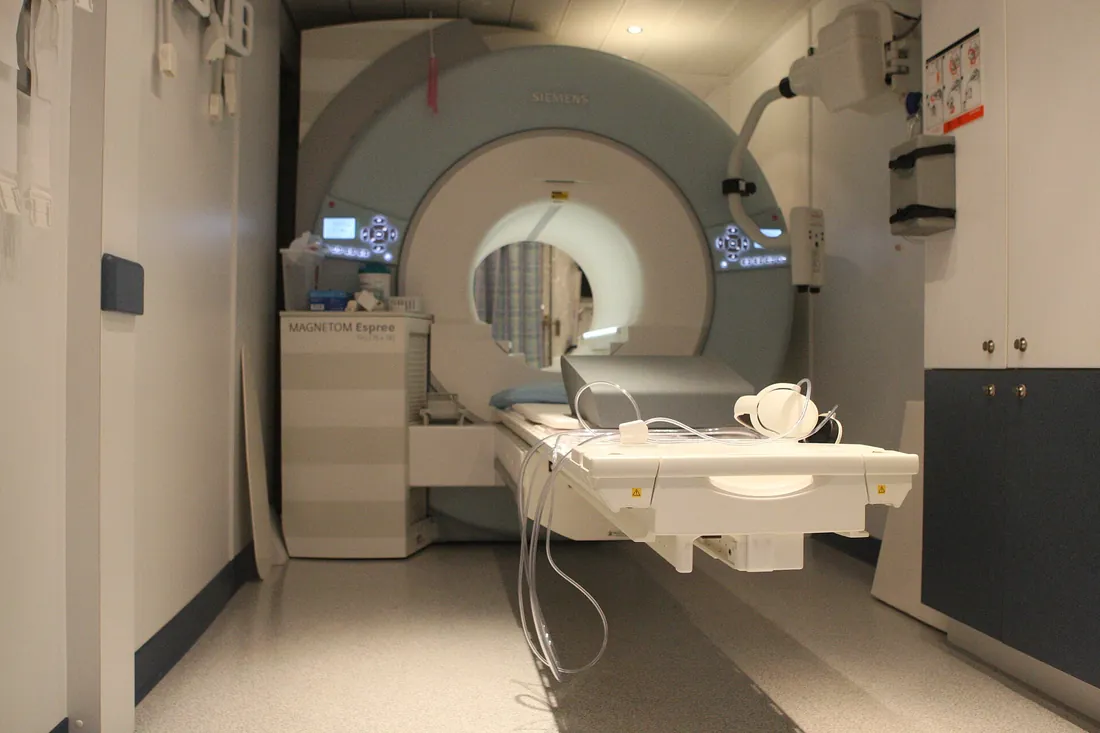
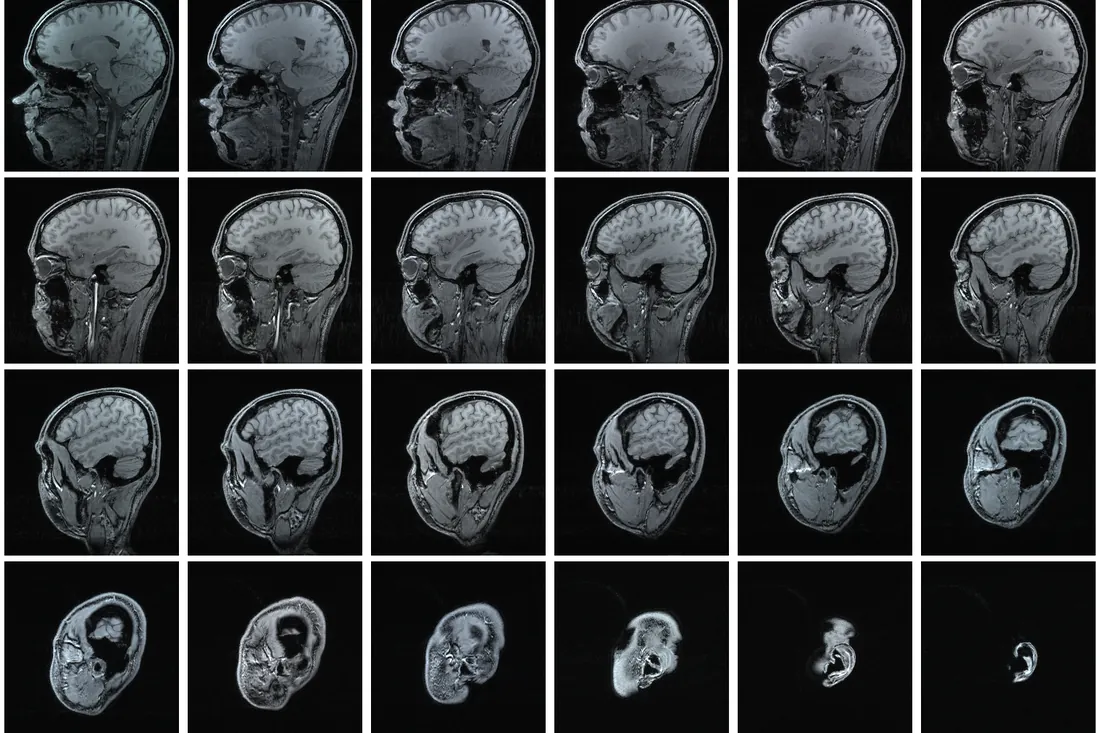
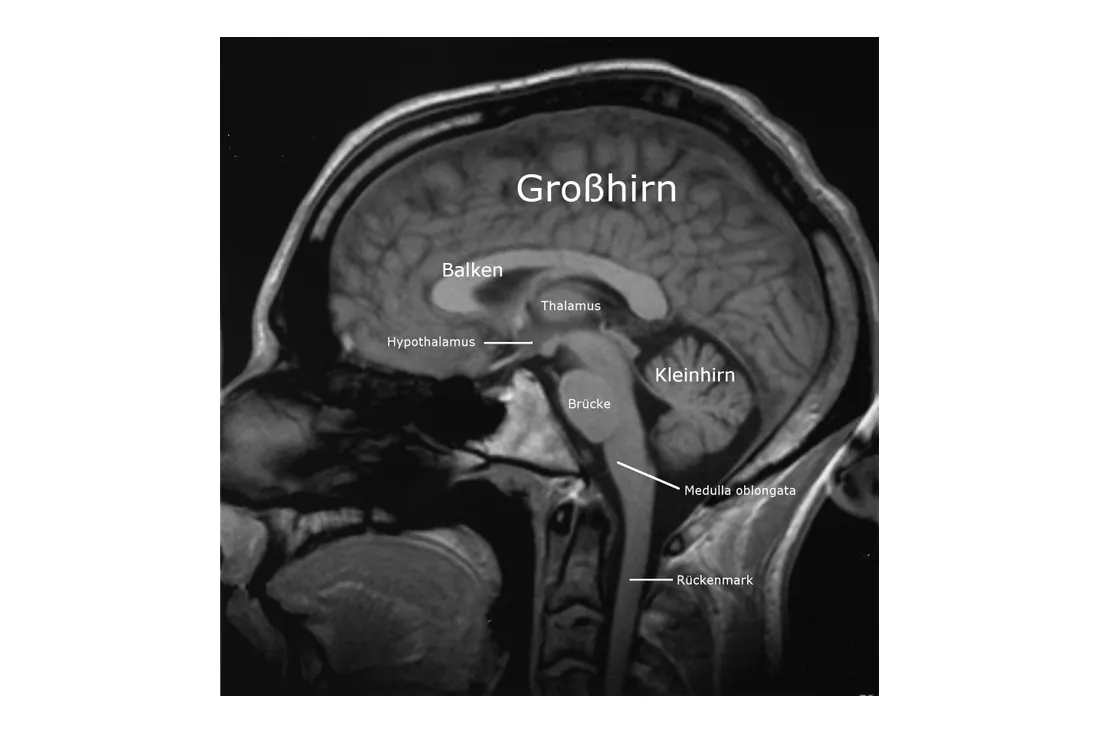
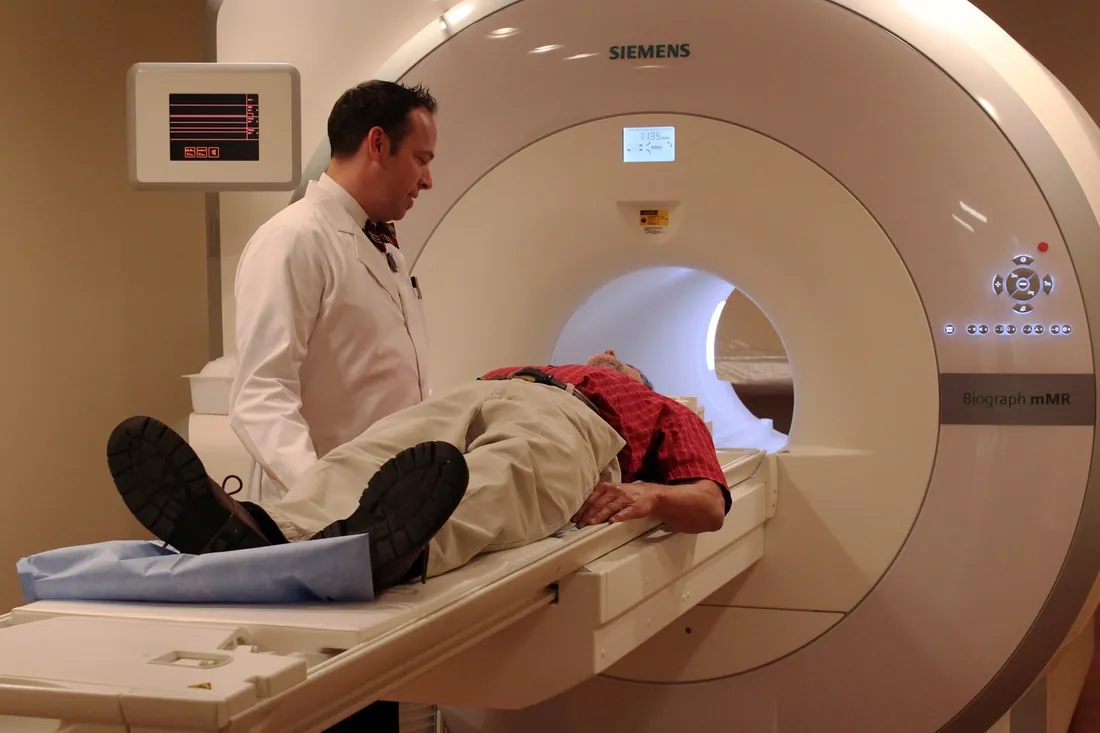
A consumer full body MRI uses a series of MRI sequences to image the brain, neck, chest, abdomen and pelvis, and sometimes the spine and limbs. Most screening scans use no contrast dye. A radiologist reviews the images and you receive a report, usually with a consultation to explain the findings and an online portal with your images.
| Usually included | Usually not included |
|---|---|
| Brain, neck, chest, abdomen, pelvis imaging | Detailed imaging of the lungs (MRI is weaker here than CT) |
| Spine (on many tiers) | Detailed heart imaging (unless a specific add-on) |
| Radiologist report and a results consultation | Follow-up tests if something is found |
| Access to your images | Treatment of anything that is found |
Does insurance cover a full body MRI?
Almost never, for screening. Health insurers and Medicare cover MRI when a doctor orders it to investigate symptoms or monitor a known condition, not as a general check-up for someone who feels well. Some providers say you can use health savings account (HSA) or flexible spending account (FSA) funds; whether that is allowed depends on your plan and circumstances, so check with your plan administrator first.
Remember the hidden cost: if the scan finds something uncertain, follow-up imaging, specialist visits or biopsies may be billed separately, and may or may not be covered by insurance once there is a medical reason.
Should you get one? What doctors say
The American College of Radiology has said it does not believe there is enough evidence to recommend whole-body screening for people who have no symptoms or family history suggesting disease. The concerns are:
- Incidental findings. Full-body scans very often find something: small cysts, nodules or anatomical quirks that are almost always harmless but can lead to anxiety, repeat scans and procedures.
- False reassurance. A clear scan does not rule out everything; MRI misses some conditions and does not replace proven tests.
- No proven benefit in large studies for people at average risk.
- Cost, both the scan and the follow-up it can trigger.
There are exceptions. People with certain inherited cancer-predisposition syndromes, such as Li-Fraumeni syndrome, are advised to have regular whole-body MRI under specialist guidance. That is targeted surveillance for high-risk people, which is very different from routine screening.
Proven screening tests to prioritise first
| Test | Who it is generally recommended for (US guidance) |
|---|---|
| Colorectal cancer screening | Adults aged 45-75 |
| Mammogram | Women aged 40-74, every two years |
| Cervical screening | Women aged 21-65 at recommended intervals |
| Low-dose CT for lung cancer | Adults 50-80 with a significant smoking history |
| Blood pressure, cholesterol and diabetes checks | Adults, at intervals set by your doctor |
My advice: if you are thinking about spending $1,000-$2,500 on a full body MRI, first make sure you are up to date with these proven tests, which have strong evidence of saving lives. Then, if you still want the scan, discuss it with your doctor so you have a plan for any findings.
If you decide to go ahead
Cheaper abroad?
Some people travel for a scan. In Turkey, for example, whole-body MRI typically costs about $350-$1,400 before flights and hotels. Our guide to full body scans in Turkey compares the total costs and how to choose a clinic.
More health guides: mold testing for children, mold exposure symptoms in kids.
Frequently asked questions
How much does a full body MRI cost?
In the US, roughly $900 to $2,500 from consumer screening companies (about $999 for Ezra and $2,499 for Prenuvo’s whole-body scan), with premium packages around $4,000-$4,500.
Does insurance cover a full body MRI?
Usually not for screening people without symptoms. Some providers say HSA or FSA funds can be used; check your plan.
Is a full body MRI worth it?
The American College of Radiology does not recommend whole-body screening for people without symptoms or family history, because the evidence of benefit is lacking and incidental findings can lead to unnecessary tests. Discuss it with your doctor.
How long does a full body MRI take?
Usually about 45-60 minutes in the scanner.
Does a full body MRI use radiation?
No. MRI uses magnetic fields and radio waves, not ionising radiation.
Can a full body MRI detect cancer?
It can detect some cancers, but it also misses some and finds many harmless abnormalities. It does not replace proven screening tests such as colonoscopy or mammography.
What is the cheapest full body MRI?
Promotional deals from imaging chains sometimes fall below $900, and Ezra lists about $999. Check exactly what is scanned before comparing.
Who should get a whole-body MRI?
Regular whole-body MRI is recommended for some people with inherited cancer-risk syndromes, such as Li-Fraumeni syndrome, under specialist care.
Is Prenuvo or Ezra better?
They differ in coverage, scan time and price. Compare what each package images, who reads it and how results are followed up.
What happens if the scan finds something?
You may need follow-up imaging, specialist appointments or biopsies, which can cost extra. Agree a plan with your doctor before the scan.
Final thoughts
A full body MRI in the US costs about $900-$2,500, rarely covered by insurance, and its value for healthy people remains unproven. If you are curious, start with the screening tests that are proven to save lives, talk to your doctor, and choose a provider with a clear plan for whatever the scan finds.
Sources: Published prices from Prenuvo, Ezra/Function Health and imaging chains, as reported in 2025-2026 coverage; American College of Radiology position on whole-body screening; US Preventive Services Task Force screening recommendations; Li-Fraumeni syndrome surveillance guidance. Images: Wikimedia Commons, credited in each caption.