Short answer: a small amount of clear or white mucus in your stool is usually normal: your intestines make mucus to keep the lining moist and help stool pass. You may notice more of it with constipation, irritable bowel syndrome (IBS) or a stomach bug.
See a doctor if mucus is frequent or increasing, or comes with blood, diarrhoea, tummy pain, fever, weight loss or a change in your bowel habits lasting more than a few weeks, as these can point to conditions such as inflammatory bowel disease that need treatment. Get urgent help for heavy bleeding, severe pain or signs of dehydration.
I will be honest with you: few people want to talk about what they see in the toilet, and searching “mucus in stool” late at night can quickly lead to frightening results. The reassuring truth is that mucus is a normal part of digestion, and seeing a little now and then is rarely a cause for concern. But mucus can also be one of the signs of conditions that deserve a proper check. This guide explains what is normal, the common causes, the warning signs, what tests a doctor might do, and practical steps you can take.

What is mucus in stool?
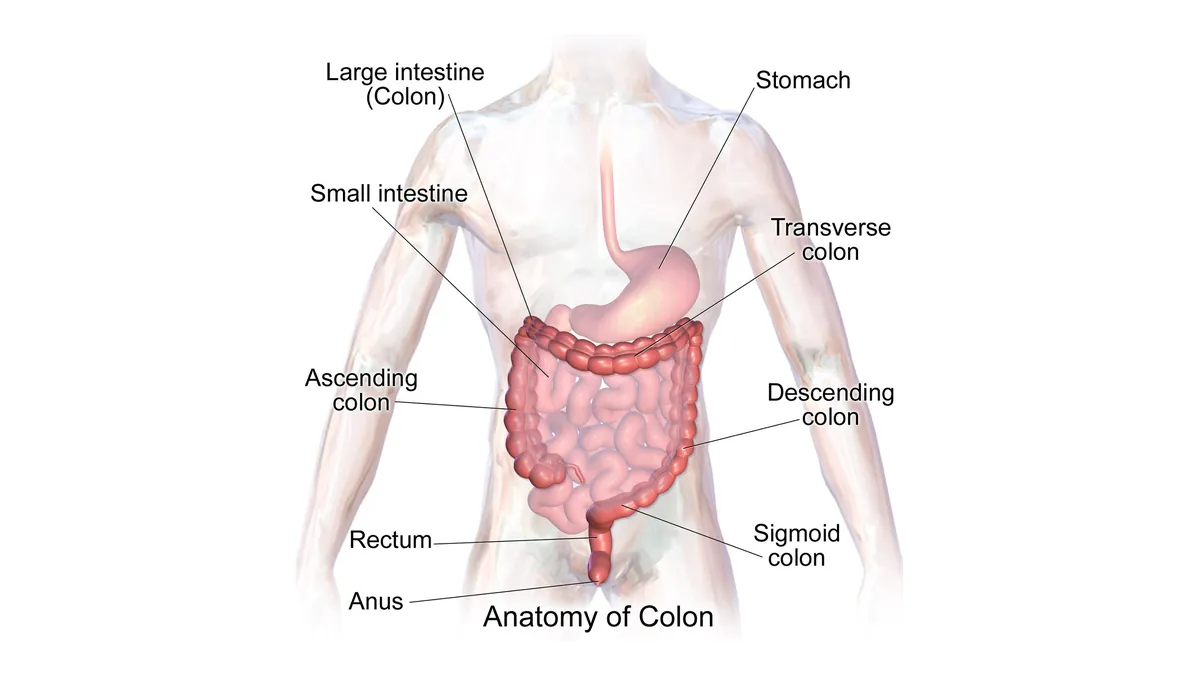
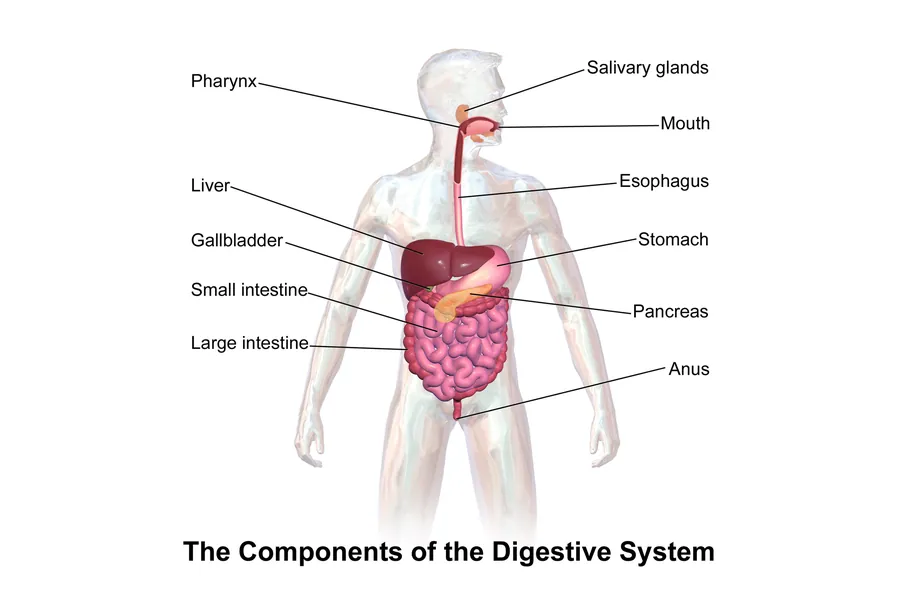
Mucus is a jelly-like substance made by glands throughout your body, including in the lining of your intestines. In the bowel, it has two main jobs: it lubricates the passage so stool can move smoothly, and it forms a protective barrier between the bowel wall and the bacteria and waste inside. Most of the time it mixes in with stool and you never notice it.
You are more likely to see it when there is more of it than usual, when it is coated on the outside of stool, or when it passes on its own, sometimes looking like clear, white or yellowish jelly or strings.
| What you see | What it often means |
|---|---|
| A little clear or white mucus, occasionally | Usually normal |
| More mucus with constipation or straining | Common; often settles when constipation improves |
| White or yellow mucus with IBS symptoms | Often linked to IBS |
| Mucus with diarrhoea for a few days | Often a stomach bug (gastroenteritis) |
| Mucus with blood | Needs checking by a doctor |
| Mucus with persistent diarrhoea, pain, weight loss or fever | Needs checking; may suggest inflammation or infection |
Common causes of mucus in stool
Constipation
Hard, dry stool can irritate the bowel lining, and the bowel may produce extra mucus as it tries to ease things along. Some people notice mucus alongside straining or small, hard stools. Treating the constipation usually helps.
Irritable bowel syndrome (IBS)
IBS is a common, long-term condition that affects how the gut works. Symptoms include tummy pain or cramps, bloating, and bouts of diarrhoea, constipation or both. Many people with IBS notice white or yellowish mucus in their stool. IBS does not damage the bowel, but it can affect quality of life, and a doctor can help confirm the diagnosis and suggest treatments.
Infections
Gastroenteritis, caused by viruses, bacteria or parasites, can bring sudden diarrhoea, sometimes with mucus. Most viral cases clear up on their own within days, but some bacterial infections may need treatment, especially if there is blood, high fever or symptoms that do not improve.
Inflammatory bowel disease (IBD)
IBD is the name for Crohn’s disease and ulcerative colitis, long-term conditions in which parts of the digestive tract become inflamed. In ulcerative colitis, sores in the lining of the colon can bleed and produce mucus and pus. IBD often causes diarrhoea (sometimes with blood and mucus), tummy pain, an urgent need to go, tiredness and weight loss. It needs medical diagnosis and treatment.
Anal fissures and haemorrhoids
Small tears in the skin around the anus (fissures) and swollen blood vessels (haemorrhoids, or piles) can cause mucus discharge, itching and bright red blood on the toilet paper. These are common and usually treatable, but bleeding should still be checked, especially if it is new.
Other causes
- Food intolerances and coeliac disease, which can inflame the gut.
- Cystic fibrosis, which causes thick mucus in many organs, including the gut.
- Bowel obstruction, a medical emergency, usually with severe pain, swelling and vomiting.
- Bowel cancer, which is less common but can cause mucus, bleeding and changes in bowel habits, which is why persistent changes should be checked.
IBS or IBD? The key differences
These two abbreviations are easy to confuse, but they describe very different conditions, and both can cause mucus in stool.
| IBS (irritable bowel syndrome) | IBD (inflammatory bowel disease) | |
|---|---|---|
| What it is | A problem with how the gut works | Inflammation and damage in the gut lining |
| Examples | IBS with diarrhoea, constipation or both | Crohn’s disease, ulcerative colitis |
| Blood in stool | Not typical | Common, especially in ulcerative colitis |
| Weight loss, fever | Not typical | Can occur |
| Damage to the bowel | No | Yes, if untreated |
| Typical treatment | Diet changes, stress management, medicines for symptoms | Anti-inflammatory and immune-modifying medicines, sometimes surgery |
Because IBD can damage the bowel over time, getting the right diagnosis matters. If your symptoms include blood, weight loss, fever, night-time symptoms or a family history of IBD or bowel cancer, mention them to your doctor; these “red flags” point away from simple IBS.
When to see a doctor
| Situation | What to do |
|---|---|
| Occasional small amount of mucus, no other symptoms | Usually no action needed; keep an eye on it |
| Mucus that is frequent, increasing or persistent | Make a GP or doctor’s appointment |
| A change in bowel habits lasting 3 weeks or more | See a doctor |
| Mucus with blood in or on your stool | See a doctor |
| Mucus with tummy pain, unexplained weight loss or tiredness | See a doctor |
| Heavy bleeding, severe pain, high fever or signs of dehydration | Get urgent medical help |
The NHS advises seeing a GP if you have blood in your poo or a change in your bowel habits, such as going more often, looser poo or constipation, that lasts for three weeks or more, as these can be signs of conditions including bowel cancer. Most people with these symptoms do not have cancer, but getting checked early matters.

My advice: do not let embarrassment stop you. Doctors deal with bowel symptoms every day, and the information you give them, how often you see mucus, what colour it is, whether there is blood, and any other changes, is exactly what helps them work out what is going on.
What to tell your doctor
- How long you have noticed mucus, and how often.
- What it looks like (clear, white, yellow, green, blood-streaked).
- Any change in how often you go, or the consistency of your stool.
- Other symptoms: pain, bloating, urgency, fever, tiredness, weight loss.
- Recent travel, food poisoning or contact with someone who was ill.
- Any family history of bowel conditions or bowel cancer.
- Medicines and supplements you take.
Keeping a simple symptom diary for a week or two before your appointment, noting what you ate and how your bowels behaved, can be surprisingly useful.
Tests your doctor might suggest
| Test | What it checks | Notes |
|---|---|---|
| Stool sample | Infection (bacteria, parasites) | Common first step |
| Faecal calprotectin | Inflammation in the bowel | Helps tell IBD apart from IBS |
| Faecal immunochemical test (FIT) | Hidden blood in stool | Used in assessment and screening for bowel cancer |
| Blood tests | Anaemia, inflammation, coeliac disease | Gives a wider picture |
| Colonoscopy | A camera examination of the colon | If other tests suggest it is needed |
The faecal calprotectin test measures a protein released by white blood cells in the gut. NICE, which advises the NHS in England, recommends it to help distinguish inflammatory bowel disease from IBS in adults, which can help avoid unnecessary colonoscopies when the result is normal.

After antibiotics or travel
Antibiotics can upset the balance of bacteria in the gut and sometimes cause diarrhoea. Rarely, they can trigger an infection called Clostridioides difficile (C. diff), which causes watery diarrhoea that may contain mucus, often with cramps and fever. If you develop severe or persistent diarrhoea during or after a course of antibiotics, contact a doctor. Similarly, diarrhoea with mucus or blood after travel abroad can be caused by bacterial or parasitic infections, and a stool test can identify them.
Bowel cancer screening
Screening finds bowel cancer early, often before symptoms appear, when it is much easier to treat. In England, the NHS bowel screening programme sends a home test kit, the faecal immunochemical test (FIT), every two years to people aged 50 to 74. In the United States, guidelines recommend most adults begin colorectal cancer screening at 45. Screening is for people without symptoms: if you do have symptoms such as persistent changes in bowel habits or blood in your stool, do not wait for a screening invitation; see a doctor.
What you can do at home
If your symptoms are mild and you have no warning signs, these steps can help, especially if constipation or IBS is the cause:

If you have a stomach bug, rest, keep drinking fluids to avoid dehydration, and wash your hands well to avoid spreading it. Pharmacists can advise on oral rehydration solutions and over-the-counter treatments.
How much fibre do you need?
UK government guidance recommends that adults eat about 30g of fibre a day, and most people in the UK eat well below that. Good sources include wholegrain bread, cereals and pasta, oats, potatoes with their skins on, beans, lentils and chickpeas, fruit, vegetables, nuts and seeds. Increase fibre gradually over a few weeks and drink plenty of fluids at the same time, otherwise extra fibre can cause wind and bloating.
Living with IBS
If IBS is the cause of your mucus and other symptoms, NHS and NICE guidance suggests several approaches. Regular meals, limiting very fatty or spicy food, cutting down on caffeine and alcohol, and adjusting fibre (some people do better with less insoluble fibre, such as bran) can help. For persistent symptoms, a dietitian may recommend a low-FODMAP diet, a structured way of finding which carbohydrates trigger symptoms. Medicines such as antispasmodics, laxatives or anti-diarrhoea treatments can ease specific symptoms, and psychological therapies can help where stress plays a big part.
Mucus in a baby’s or child’s poo
Some mucus in a baby’s nappy can be normal, for example when they are teething and swallowing extra saliva, or when they have a cold. But speak to a health visitor, GP or paediatrician if there is blood in the poo, if mucus comes with diarrhoea, vomiting, fever, poor feeding or fewer wet nappies, or if your baby seems unwell or in pain. Babies and young children can become dehydrated quickly, so get urgent help if you are worried.
Myths and facts
| Myth | Fact |
|---|---|
| “Any mucus in stool means something is wrong” | Small amounts are a normal part of digestion. |
| “Mucus in stool means cancer” | Cancer is one possible cause, but far less common than constipation, IBS or infection. |
| “If it goes away, I never need to mention it” | Recurring symptoms are still worth discussing with a doctor. |
| “Blood with mucus is always just piles” | Piles are common, but bleeding should always be checked. |
| “Detox teas will clear it up” | There is no good evidence for detox products; treat the underlying cause. |
Mucus colour: what it might mean
| Colour | Possible meaning |
|---|---|
| Clear or white | Usually normal; may be more noticeable with constipation or IBS |
| Yellow | Can occur with IBS or infection |
| Green | Can reflect diet or food moving quickly through the gut |
| Pink or red-streaked | Blood: get it checked |
| Very dark or black with stool | Can indicate bleeding higher in the gut: seek medical advice promptly |
More health guides on Magazine Inside include our explainers on full body MRI costs and mold testing for children.
More health guides: full body scans in Turkey, full body MRI costs in the US, mold testing for children, mold exposure symptoms in kids, hair transplants in Turkey, dental implants in Turkey, behavioural therapy.
Frequently asked questions
Is mucus in stool normal?
Small amounts of clear or white mucus are usually normal. The intestines make mucus to protect their lining and help stool pass.
What causes mucus in stool?
Common causes include constipation, IBS and gut infections. Less commonly, inflammatory bowel disease, fissures, haemorrhoids, food intolerances or bowel cancer.
When should I worry about mucus in my stool?
See a doctor if it is frequent or increasing, or comes with blood, diarrhoea, pain, fever, weight loss or a change in bowel habits lasting three weeks or more.
Does IBS cause mucus in stool?
Yes, many people with IBS notice white or yellow mucus, often with pain, bloating and changes in bowel habits.
Is mucus in stool a sign of cancer?
It can occasionally be one sign of bowel cancer, but it is much more often caused by something else. Persistent changes should be checked.
What does mucus and blood in stool mean?
It can be caused by fissures, haemorrhoids, infections or inflammatory bowel disease. It should always be checked by a doctor.
What test checks for bowel inflammation?
The faecal calprotectin stool test, which helps distinguish inflammatory bowel disease from IBS.
Can diet cause mucus in stool?
Low fibre and low fluid intake can lead to constipation and extra mucus; food intolerances can also play a role.
Is mucus in a baby’s poo normal?
It can be, for example with teething or a cold, but get advice if there is blood, fever, diarrhoea or your baby seems unwell.
How can I reduce mucus in my stool?
If the cause is constipation or IBS, more fluids, fibre, activity and identifying triggers can help. See a doctor for persistent symptoms.
Final thoughts
A little mucus in your stool is usually nothing to worry about; it is part of how a healthy bowel works. Pay attention to patterns: mucus that keeps appearing, or comes with blood, pain, diarrhoea, weight loss or a lasting change in your bowel habits, deserves a conversation with a doctor. Most causes are common and treatable, and getting checked brings peace of mind.
Sources: NHS guidance on bowel symptoms, IBS, gastroenteritis and bowel cancer; Cleveland Clinic, “Mucus in Stool”; Mayo Clinic expert answers on mucus in stool; NICE diagnostics guidance on faecal calprotectin testing (DG11). Images: Wikimedia Commons, credited in each caption.