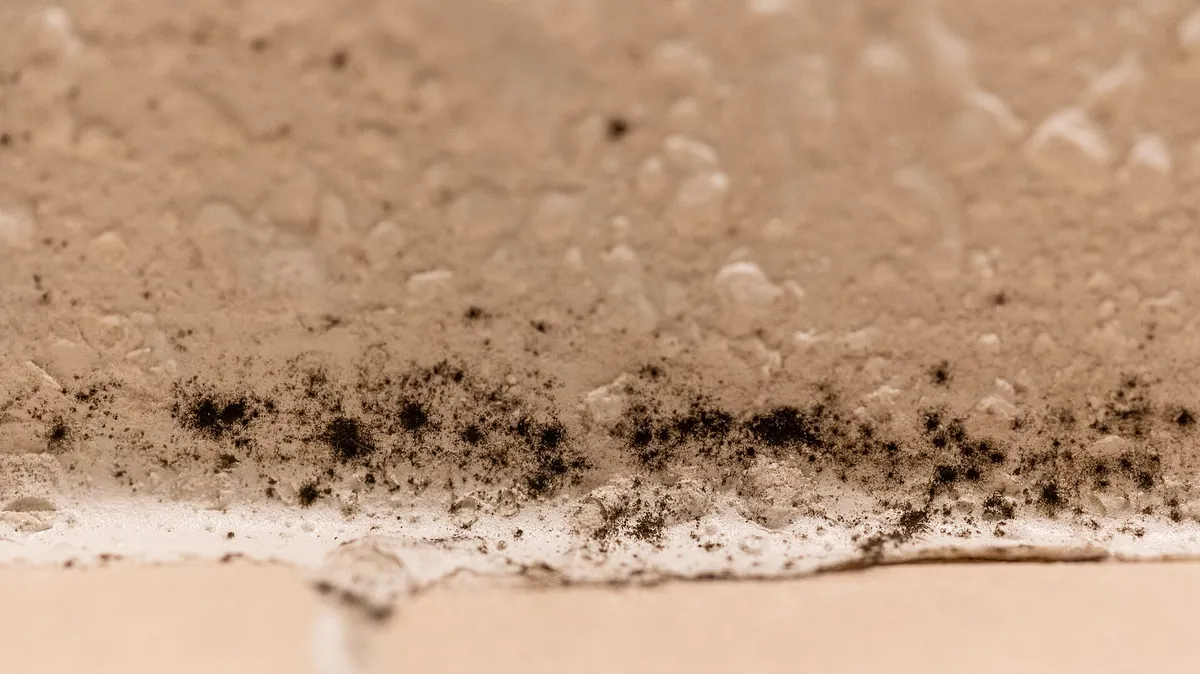
Short answer: “pediatric mold testing” means two different things. Testing your home: if you can see or smell mold, the US CDC says you usually do not need to test to identify the type; just fix the moisture and remove the mold safely. Testing your child: if you suspect mold is affecting their health (wheezing, a constant runny nose, itchy eyes, asthma flare-ups), see your paediatrician, who may refer you to an allergist for a skin-prick or blood (IgE) test.
Avoid unvalidated “mold toxin” urine tests marketed online. Keep indoor humidity between 30% and 50%, fix leaks within 24-48 hours, and use a professional for mold covering more than about 10 square feet.
Why mold matters for babies and children
Mold releases spores and fragments into the air. In children who are sensitive, exposure can trigger allergic symptoms (sneezing, a runny or blocked nose, itchy watery eyes, skin rashes) and can worsen asthma. Children with asthma, allergies, weakened immune systems or chronic lung conditions are most at risk. Babies spend much of their time indoors and close to floors and soft furnishings, so a damp home affects them more.
| Symptom to watch | Could suggest |
|---|---|
| Persistent sneezing, runny or blocked nose | Allergic reaction |
| Itchy, red or watery eyes | Allergic reaction |
| Wheezing, coughing, shortness of breath | Asthma triggered or worsened: see a doctor |
| Symptoms better away from home | A trigger in the home environment |
| Skin rash or itching | Possible sensitivity |
Testing your home for mold
The CDC’s position is clear: if you can see or smell mold, there is a problem to fix, and in most cases sampling is unnecessary. All molds should be treated the same way when they grow indoors, so identifying the species rarely changes what you do. There are also no federal limits for “safe” mold levels, which makes test results hard to interpret.
| Situation | Testing useful? | What to do |
|---|---|---|
| Visible mold or musty smell | Usually not | Find the moisture source, fix it, remove the mold |
| Hidden mold suspected (after a leak or flood) | Sometimes | A qualified inspector can look behind walls and under floors |
| Checking a clean-up worked | Sometimes | Professional post-remediation assessment |
| Landlord or legal dispute | Often | Use an accredited, independent professional |
| DIY “petri dish” kits | Rarely | Mold spores are everywhere, so kits almost always grow something |
Testing your child for mold allergy
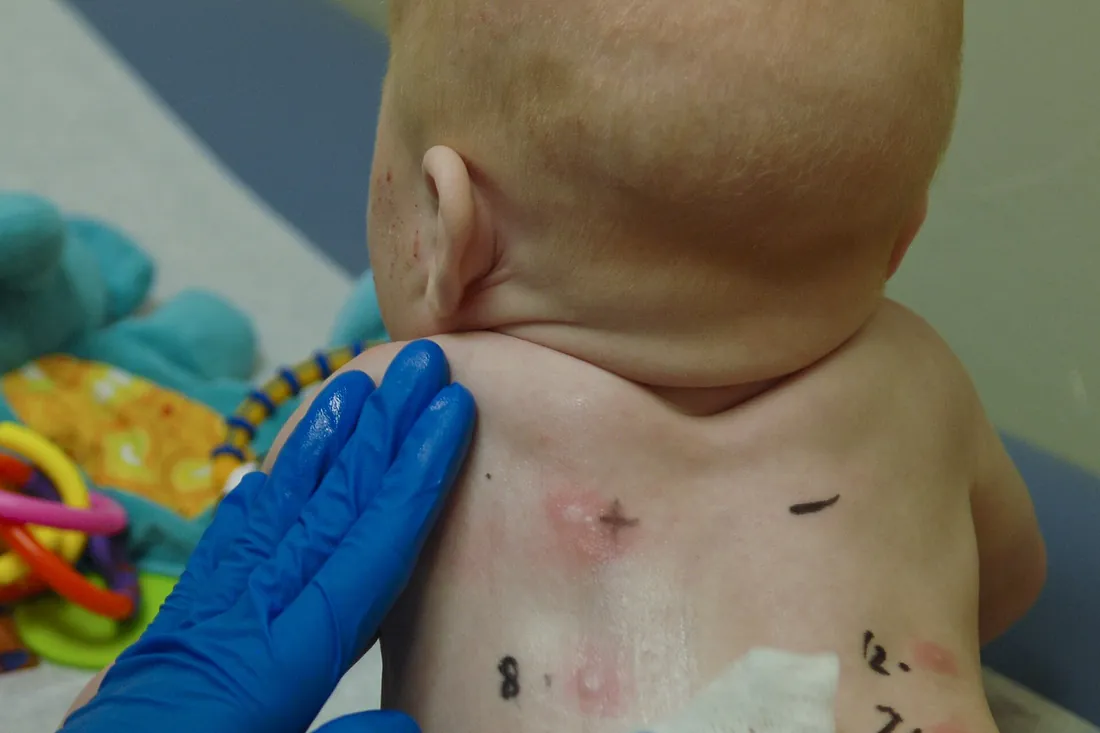
If your child’s symptoms point to an allergy, start with your paediatrician. They may refer you to an allergist, who can use two well-established tests:
| Test | How it works | Notes |
|---|---|---|
| Skin-prick test | Tiny amounts of mold extracts are pricked into the skin; a raised bump after about 15 minutes suggests sensitivity | Quick; done in clinic; some medicines (such as antihistamines) must be stopped beforehand |
| Specific IgE blood test | Measures antibodies to particular molds in a blood sample | Useful if skin testing is not suitable (for example, eczema or medication) |
Tests to avoid
Some websites and practitioners sell urine “mycotoxin” panels or similar tests claiming to measure mold poisoning. Allergy and toxicology specialists have warned that these tests are not validated for diagnosing illness and can lead to unnecessary, expensive treatments. Stick with tests ordered by your child’s doctor.
How to reduce mold in a home with children
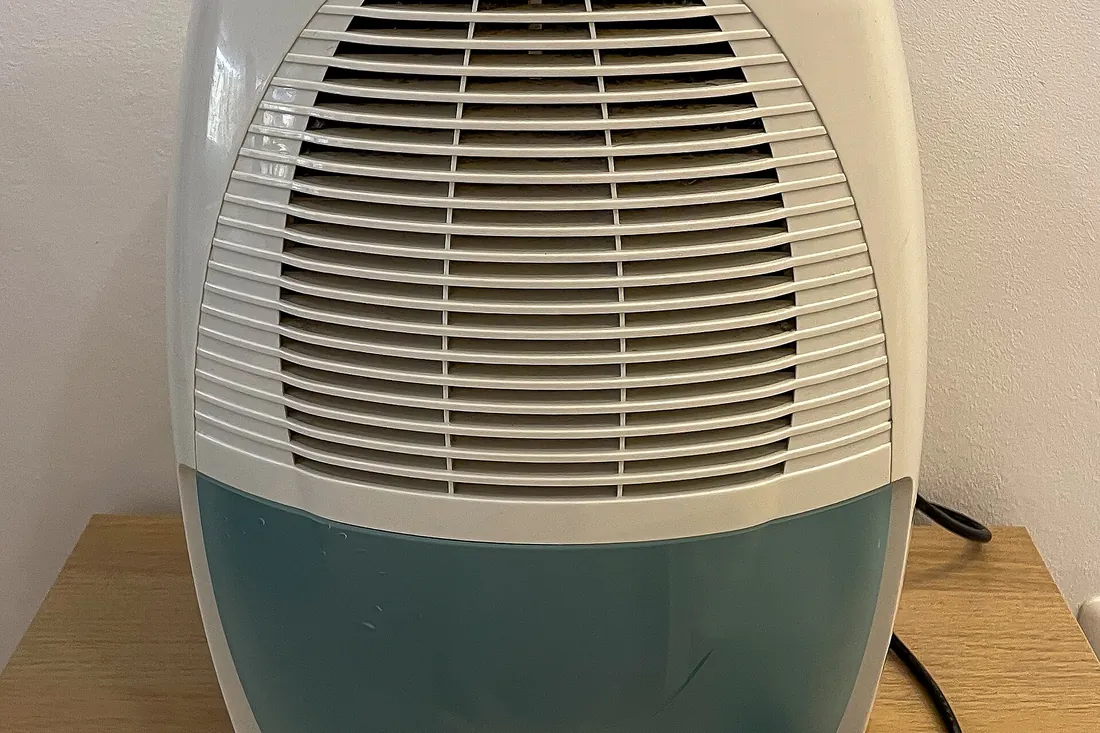
- Control humidity: aim for 30-50%. Use a dehumidifier in damp rooms and run extractor fans in kitchens and bathrooms.
- Fix leaks fast: dry wet areas within 24-48 hours to stop mold taking hold.
- Ventilate: open windows when cooking, showering or drying clothes indoors.
- Clean small patches on hard surfaces with detergent and water, wearing gloves and a mask, and keep children out of the room while you work.
- Throw away porous items that are moldy, such as ceiling tiles, carpet or soft toys that cannot be cleaned.
- Call a professional for mold covering more than about 10 square feet (roughly 3 ft by 3 ft), after flooding, or if it is in heating and air-conditioning systems.
- Never paint over mold: it will grow back through the paint.
When to see a doctor
- Your child is wheezing, short of breath or has an asthma attack (urgent).
- Allergy-type symptoms last for weeks or keep returning.
- Symptoms improve when you are away from home and return when you are back.
- Your baby has a persistent cough or breathing seems laboured.
More health guides: full body scans abroad.
Frequently asked questions
Should I test my home for mold if I have a baby?
If you can see or smell mold, the CDC says testing is usually unnecessary: fix the moisture and remove the mold. Testing can help when mold is hidden, after flooding, or in disputes, using a qualified professional.
How do I test my child for mold allergy?
See your paediatrician. They may refer you to an allergist for a skin-prick test or a specific IgE blood test, interpreted together with your child’s symptoms.
Can mold make a baby sick?
Mold can trigger allergic symptoms and worsen asthma in sensitive children. Babies and children with asthma, allergies or weakened immune systems are more vulnerable. Talk to your doctor if you are worried.
Are home mold test kits accurate?
Not very useful. Mold spores are present almost everywhere, so do-it-yourself plate kits nearly always grow something and cannot tell you whether you have a problem.
What humidity level prevents mold?
The EPA recommends keeping indoor humidity below 60%, ideally between 30% and 50%.
Can I clean mold myself?
For small areas (under about 10 square feet) on hard surfaces, yes: use detergent and water, wear gloves and a mask, and keep children away. Larger areas or mold after flooding should be handled by professionals.
Are mycotoxin urine tests reliable for children?
Specialists caution that these tests are not validated for diagnosing mold-related illness. Use tests ordered by your child’s doctor.
Final thoughts
For a home with children, the priority is not testing but drying: control humidity, fix leaks quickly and remove mold safely. If your child has symptoms, involve their doctor, who can arrange proper allergy testing if it is needed.
Sources: US CDC, “Mold” guidance for homeowners (testing and clean-up); US EPA, “A Brief Guide to Mold, Moisture and Your Home” (humidity 30-50%, clean-up of areas under about 10 square feet); American Academy of Allergy, Asthma & Immunology guidance on allergy testing. Images: Wikimedia Commons, credited in each caption.