Short answer: a single dental implant in Turkey typically costs about $400 to $1,000 including the crown, with most clinic quotes clustering around $500-$700. A full-arch All-on-4 usually costs roughly $3,000 to $6,000 per jaw with standard materials, more with premium implant brands or zirconia teeth. In the US, a complete single implant (post, abutment and crown) has a median cost of about $4,000.
The catch: implants usually need two trips, three to six months apart, and problems are harder to fix once you are home. Choose the dentist, the implant brand and the treatment plan before the price.
I will be honest with you: dental implants are where the price gap between Turkey and the US or UK is widest, and that is exactly why so many people fly to Istanbul or Antalya for them. The savings can be thousands of dollars, and plenty of patients come home very happy. But implants are surgery, they need time to heal into the bone, and a cheap plan that goes wrong can cost more to repair than doing it at home in the first place. Here is what implants in Turkey really cost, what the treatment involves, and how to choose a clinic you can trust.
How much do dental implants cost in Turkey?
| Treatment | Typical price in Turkey | Notes |
|---|---|---|
| Single implant with crown | About $400-$1,000 | Most quotes around $500-$700; brand matters |
| Premium-brand single implant | Toward the top of the range or above | e.g. Straumann or Nobel Biocare |
| All-on-4, one jaw | About $3,000-$6,000 | Standard materials; zirconia costs more |
| All-on-4, both jaws | About $6,000-$11,000 | Wide variation between clinics |
| Bone graft or sinus lift | Extra, quoted separately | Only known after a scan |

Why so much cheaper? Lower labour, rent and laboratory costs in Turkey, high patient volumes, and fierce competition between clinics. The implant components themselves are often the same international brands used in the US and UK, though budget packages may use cheaper ones, which is one of the first things to check.
What does a quote include?
| Usually included | Often extra, or check carefully |
|---|---|
| Consultation and panoramic X-ray or 3D CT scan | Bone grafts, sinus lifts and extractions |
| Implant placement surgery | The crown, if the quote is “implant only” |
| Abutment and crown (in full packages) | Temporary teeth between trips |
| Hotel and airport transfers (in packages) | The second trip’s flights and hotel |
| Local anaesthetic | Sedation, if you want it |
My advice: always ask “implant brand, crown material, and is the abutment included?” Two quotes that look identical can differ by the brand of titanium post, whether the crown is porcelain-fused-to-metal or zirconia, and whether a bone graft has been quietly left out.
How dental implants work
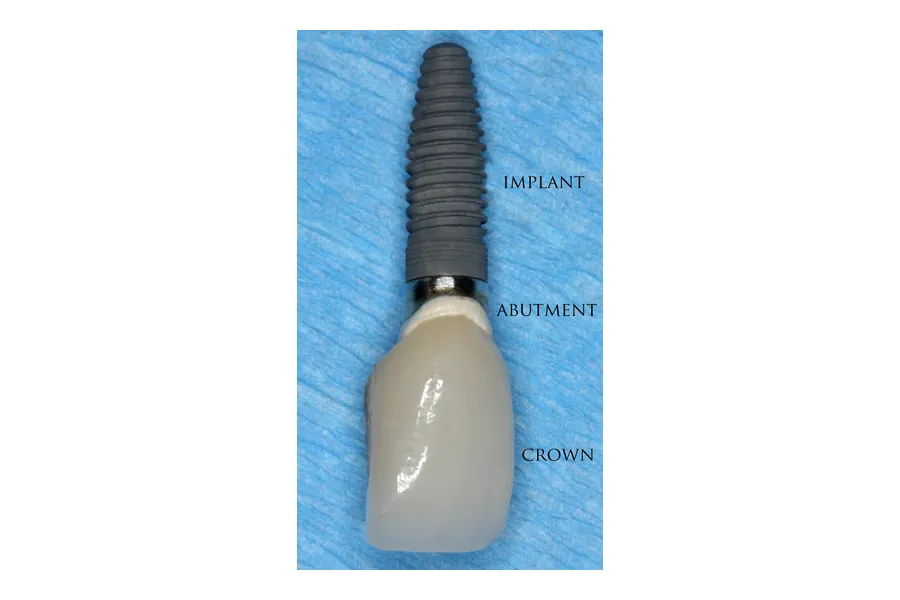
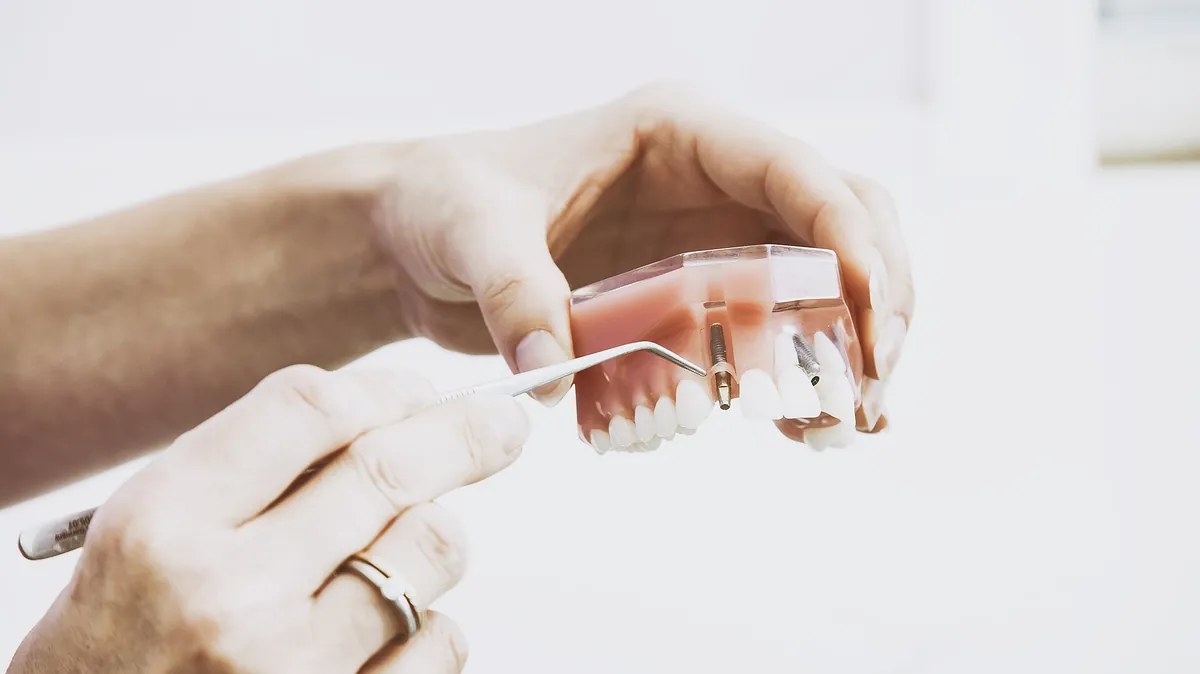
A dental implant is a small titanium (or sometimes zirconia) screw placed into the jawbone where a tooth is missing. Over the following months the bone grows around it, a process called osseointegration. Once it is stable, a connector called an abutment is attached, and a crown, bridge or full-arch denture is fixed on top. Studies commonly report implant survival rates above 90-95% over ten years, but success depends on bone quality, gum health, smoking and the skill of the dentist.
| Option | What it is | Good for |
|---|---|---|
| Single implant | One post and one crown | Replacing one missing tooth |
| Implant-supported bridge | Two or more implants holding a bridge | Several missing teeth in a row |
| All-on-4 / All-on-6 | Four or six implants holding a full fixed arch | Replacing all teeth in a jaw |
| Implant-retained denture | Implants that a removable denture clips onto | A cheaper full-arch option |
The two-trip timeline
- Trip 1, day 1Examination, panoramic X-ray or CT scan, treatment plan and final quote.
- Trip 1, day 2-5Extractions if needed and implant placement under local anaesthetic; check-up before you fly.
- Months 1-6Healing at home while the implants fuse with the bone (often 3-6 months).
- Trip 2, day 1-7Abutments attached, impressions or scans taken, final crowns or bridge fitted and adjusted.
- AfterwardsRegular check-ups and cleaning with your dentist at home.
Some clinics offer “immediate loading”, where temporary teeth are fixed on the same day, especially with All-on-4. That can shorten the first trip, but you will still usually need a second visit for the permanent teeth. Budget the cost and time of both trips from the start.
Implants vs “Turkey teeth”
Do not confuse implants with the “Turkey teeth” makeovers you may have seen on social media, where healthy teeth are filed down for crowns or veneers. UK dentists and the British Dental Association have warned about patients returning with sensitive, damaged or failing teeth after aggressive cosmetic work abroad. Implants replace teeth that are already missing or beyond saving; a good dentist will not suggest removing healthy teeth to fit a package.
How to choose a dental clinic in Turkey
Questions to ask before you book
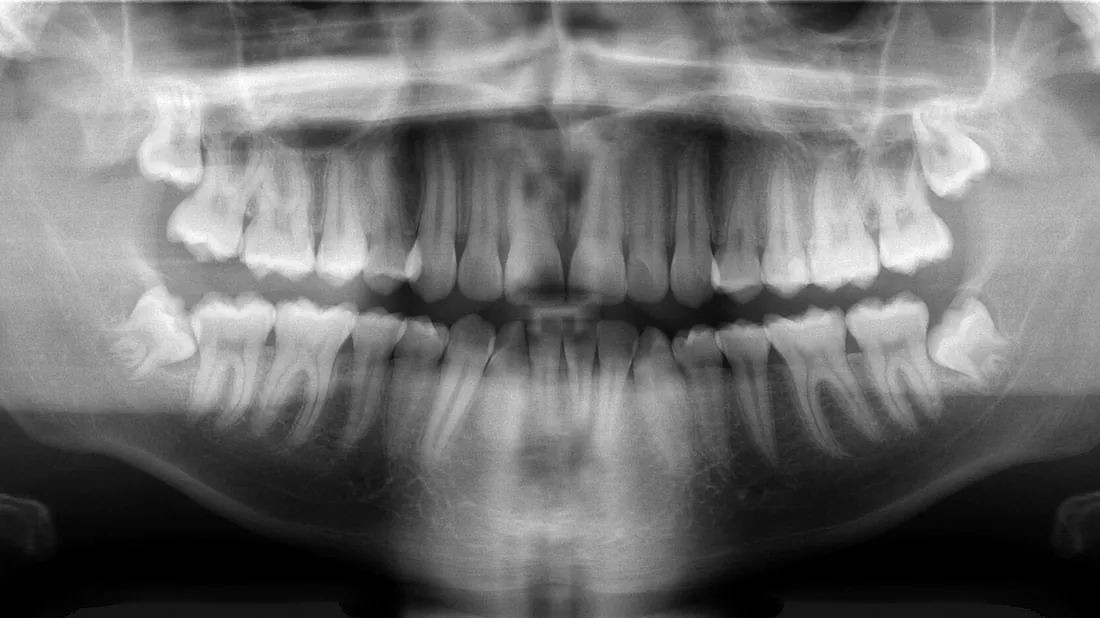
- Can I send my existing X-rays for a preliminary assessment, and will the final price change after your scan?
- Will I need a bone graft or sinus lift, and how much would that cost?
- Which implant brand do you use, and can you give me the implant passport or card?
- How long between the two trips, and what happens if healing takes longer?
- What happens if an implant fails, before or after I go home?
- Can I see unedited results from patients with similar cases?
Risks to know about
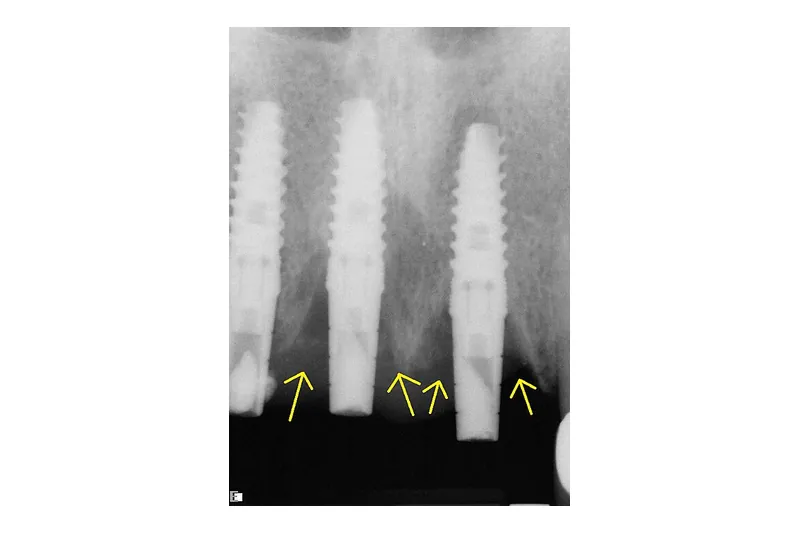
- Infection around the implant (peri-implantitis), especially with poor cleaning or smoking.
- An implant failing to fuse with the bone.
- Nerve injury causing numbness in the lip or chin (rare, but a reason for careful scanning).
- Sinus problems with upper-jaw implants.
- Crowns or bridges that do not fit or bite correctly.
- Difficulty getting a local dentist to repair work done abroad, or with an unfamiliar implant system.
Flying is generally fine a day or two after implant surgery, but follow your dentist’s advice, especially after a sinus lift. Smokers have higher failure rates; many dentists recommend stopping before and after treatment.
Is it worth it?
| Pros | Cons |
|---|---|
| Savings of thousands on multiple implants or full arches | Usually two trips, with flights and hotels each time |
| Same international implant brands available | Quality varies between clinics |
| Packages with hotel and transfers | Complications are harder to manage from home |
| Combining treatment with a stay in Istanbul or Antalya | Guarantees can be hard to enforce |
For a single implant, the saving after two trips may be modest, especially from the UK or Europe where flights are cheap but your time still counts. For several implants or a full arch, the difference can run to many thousands of dollars, which is why All-on-4 patients make up so much of Turkey’s dental tourism.
More health guides: full body scans in Turkey, full body MRI costs in the US, mold testing for children, mold exposure symptoms in kids, hair transplants in Turkey.
Frequently asked questions
How much does one dental implant cost in Turkey?
Typically about $400-$1,000 including the crown, with most quotes around $500-$700, depending on the implant brand and crown material.
How much does All-on-4 cost in Turkey?
Roughly $3,000-$6,000 per jaw with standard materials, more with premium brands or zirconia teeth.
How much is a dental implant in the US?
A 2025 survey found a median of about $4,000 for a complete single implant (implant, abutment and crown), with wide regional variation.
How many trips do I need?
Usually two: one for implant placement and one, three to six months later, for the permanent crowns or bridge.
How long do I stay in Turkey for implants?
Often about 4-7 days for each trip, depending on the treatment.
Are dental implants in Turkey safe?
They can be, with an experienced dentist, a scan-based plan and a reputable implant brand. Check credentials and get everything in writing.
What implant brands do Turkish clinics use?
Many use international brands, from premium systems such as Straumann and Nobel Biocare to cheaper alternatives. Ask which brand is in your quote.
What is the difference between implants and Turkey teeth?
“Turkey teeth” usually refers to crowns or veneers on filed-down natural teeth. Implants replace missing teeth with titanium posts in the jaw.
Can I fly after dental implant surgery?
Usually a day or two afterwards, but follow your dentist’s advice, particularly after a sinus lift.
How long do dental implants last?
Implants themselves can last many years, often decades, with good care; crowns may need replacing sooner.
Final thoughts
Dental implants in Turkey can cost a fraction of US and UK prices, especially for full-arch treatment. Plan for two trips, insist on a scan-based written plan with the implant brand named, and choose an experienced dentist you can contact after you go home.
Sources: Turkish clinic price lists and medical-travel platforms such as PlacidWay and Bookimed (2026); Dental Economics, comparative analysis of dental implant costs across US markets (2025); British Dental Association comments on cosmetic dental tourism; general dental guidance on implant treatment and survival. Images: Wikimedia Commons, credited in each caption.