Short answer: a hair transplant in Turkey typically costs about $1,800 to $4,500 for FUE (follicular unit extraction), and roughly $2,800 to $7,000 for DHI or premium clinics, according to clinic price lists in 2026. Many clinics sell all-inclusive packages with hotel, airport transfers and medication. The same procedure in the US commonly costs $10,000 or more.
Price is not the most important factor, though. The International Society of Hair Restoration Surgery has warned about “black market” clinics where unlicensed technicians perform surgery. Choose a clinic where a qualified doctor plans and performs the key steps, and expect results to take 12 to 18 months.
I will be honest with you: Turkey, and Istanbul in particular, has become the hair-transplant capital of the world, and you have probably seen the airport arrivals with headbands and the glossy before-and-after photos. The prices really are a fraction of US and UK costs, and many people get excellent results. But the industry is uneven, and the cheapest packages can hide real risks. Here is what a transplant in Turkey costs, what is included, how the procedures differ, and how to choose a clinic safely.
How much does a hair transplant cost in Turkey?
| Option | Typical price | Notes |
|---|---|---|
| Budget FUE package | About $1,500-$2,500 | Often “unlimited grafts”; check who operates |
| Mid-range FUE (about 3,000 grafts) | About $2,500-$3,500 | Most common choice |
| Sapphire FUE or DHI | About $3,500-$4,500 | Different instruments or implanter pens |
| Premium clinics | Up to about $7,000 | Doctor-led, smaller daily caseloads |
| Per-graft pricing (where used) | Roughly $0.50-$2.50 per graft | Many clinics sell fixed packages instead |
What is usually included in a package?
| Often included | Check carefully |
|---|---|
| The procedure and anaesthesia | Whether a doctor performs the incisions and harvesting |
| Blood tests and consultation | Number of grafts actually planned |
| 2-3 nights in a hotel | Hotel quality and distance from the clinic |
| Airport and clinic transfers | Language support and an interpreter |
| Post-op medication and shampoo | Follow-up after you return home |
| First hair wash at the clinic | Written guarantee terms |
My advice: when you compare quotes, line them up item by item rather than by headline price. A $1,900 package that includes only two hotel nights and no named surgeon is not cheaper than a $2,900 package with a doctor-led team and a written aftercare plan; it is a different product.
The real total: budgeting for the whole trip
The clinic price is only part of the bill. Before you compare Turkey with a clinic at home, add up the full trip:
| Cost item | Typical range | Notes |
|---|---|---|
| Clinic package | About $1,800-$4,500 | Usually includes hotel and transfers |
| Return flight from the US | Roughly $700-$1,200 (economy) | Much less from the UK and Europe |
| Extra nights or a companion | Varies | Many clinics charge extra for a second guest |
| Meals and incidentals | Modest | Istanbul is generally affordable for visitors |
| Time off work | About a week is common | Swelling and scabbing are visible at first |
| Ongoing medication | Ongoing | If a doctor recommends minoxidil or finasteride |
Even with flights, the total for most travellers stays well below typical US prices. The UK’s NHS notes that hair transplants are not usually available on the NHS and that private procedures in the UK can cost anywhere from about £1,000 to £30,000, depending on the size of the procedure and the clinic, which is why so many British patients also look to Istanbul.
FUE, FUT and DHI: the procedures explained
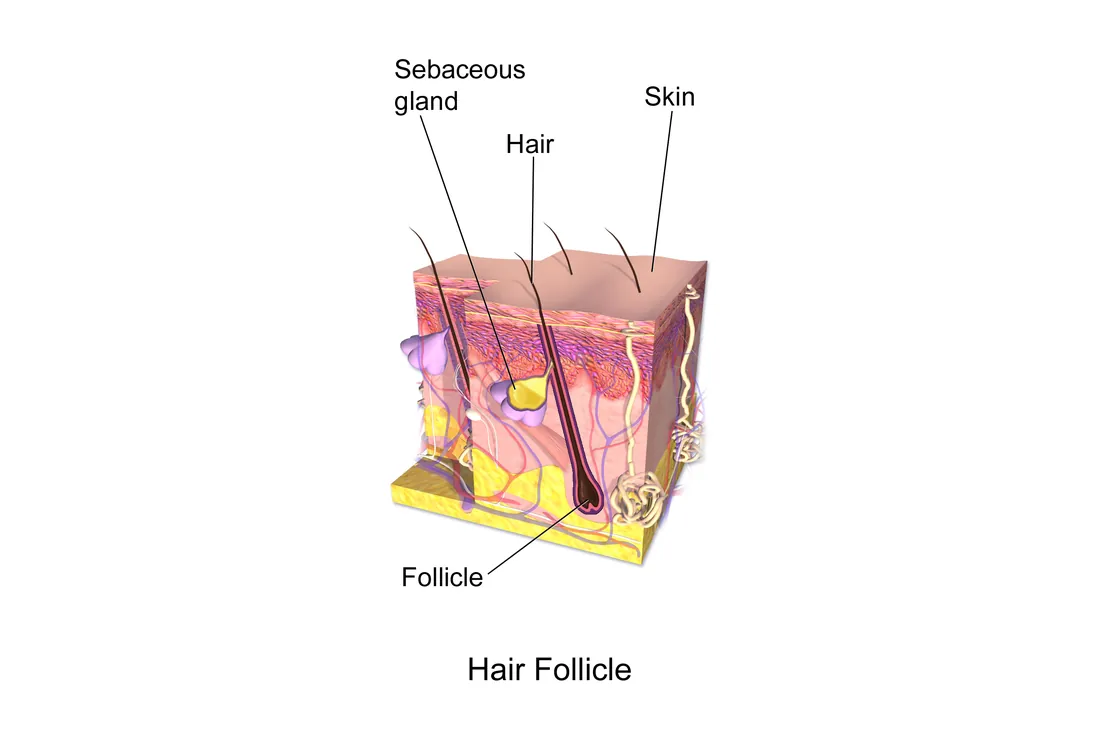
| Method | How it works | Pros and cons |
|---|---|---|
| FUE (follicular unit extraction) | Individual follicular units are punched out one by one from the donor area and implanted | No linear scar; most popular; donor area shaved |
| FUT (strip method) | A strip of scalp is removed and divided into grafts | Many grafts in one session; leaves a linear scar |
| DHI (direct hair implantation) | A form of FUE using an implanter pen to place grafts | Precise placement; often pricier; may suit dense packing |
| Sapphire FUE | FUE with sapphire-tipped blades for the recipient incisions | Marketed as finer incisions; evidence of superiority is limited |
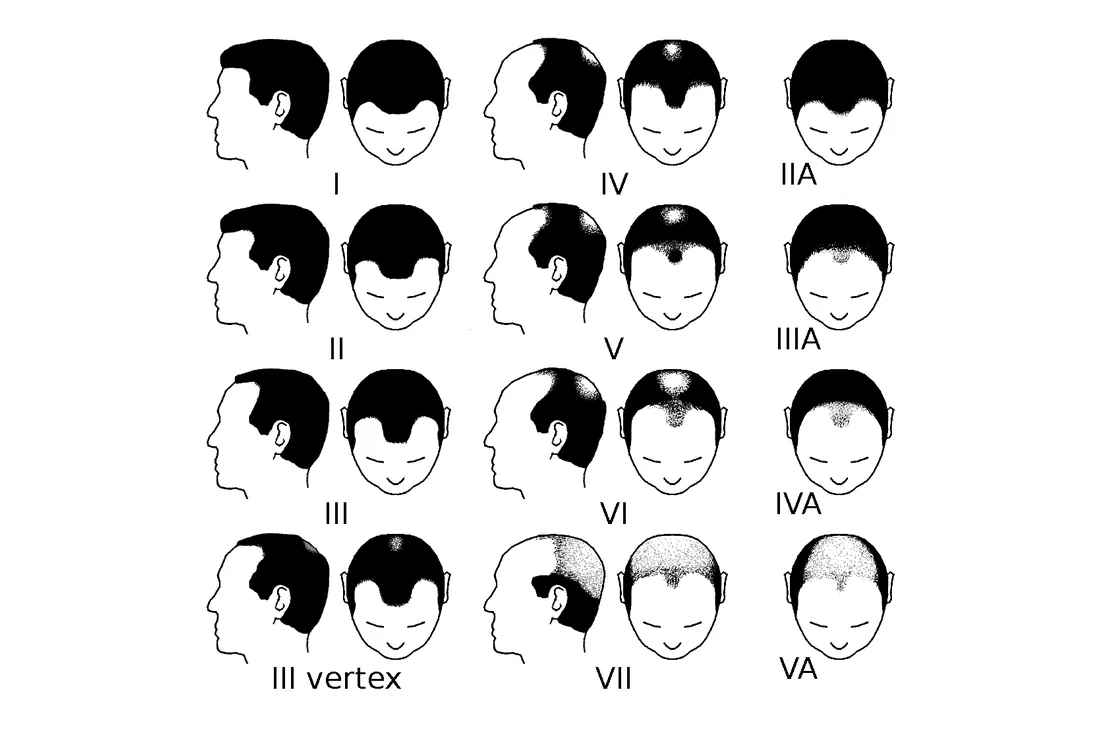
Most men need somewhere between about 1,500 and 4,000 grafts, depending on their stage on the Norwood scale and donor density. Be cautious of offers of very high graft numbers in one day: over-harvesting can leave the donor area visibly thin, and your donor supply is limited for life.
How to choose a clinic safely
The ISHRS has run a campaign against the “hair transplant black market”: clinics where unlicensed technicians, not doctors, perform the surgical steps, sometimes handling many patients a day. Complications seen after such procedures include infection, poor growth, scarring and a damaged donor area. To protect yourself:
Questions to ask before you book
- Who will design my hairline, and who will perform the extraction and the incisions?
- How many grafts do you plan for me, and how much donor hair will I have left for the future?
- How many patients does your team operate on in one day?
- Can I see unedited results from patients with hair loss similar to mine, at 12 months or more?
- What happens if growth is poor? What exactly does the guarantee cover, and who pays for travel?
- How do I contact the clinic after I fly home, and who answers?
A good clinic will answer these clearly and in writing. Vague answers, pressure to pay a deposit quickly, or a promise that anyone can have a teenage hairline are all reasons to keep looking.
What to expect: the timeline
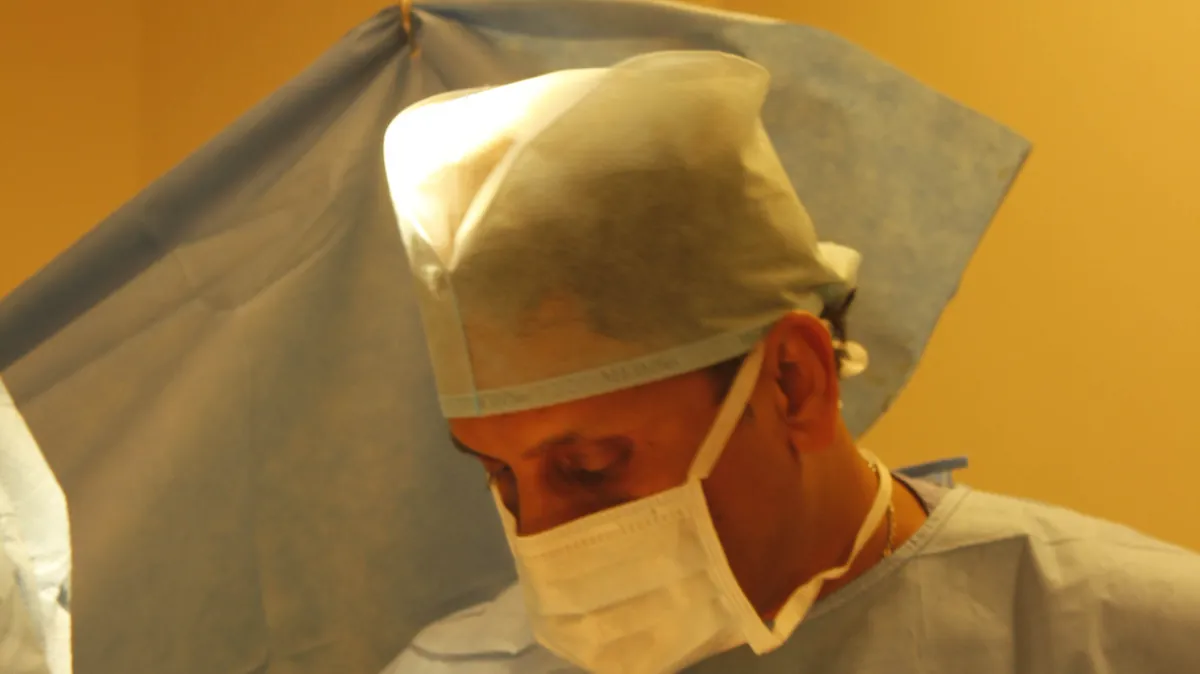
- Day 1Consultation, hairline design, blood tests, then a long day of surgery (often 6-8 hours) under local anaesthetic.
- Day 2-3Check-up and first wash at the clinic; fly home.
- Week 1-2Scabs fall away; avoid strenuous exercise, sun and swimming as advised.
- Week 2-8“Shock loss”: transplanted hairs usually shed. This is normal.
- Month 3-4New growth begins, often fine at first.
- Month 12-18Final density and texture.

Aftercare: the first two weeks
| When | What clinics typically advise |
|---|---|
| First nights | Sleep with your head raised to reduce swelling; avoid touching or scratching the grafts |
| First wash | Usually done at the clinic a day or two after surgery, then gentle washing as instructed |
| First 1-2 weeks | No hats that press on the grafts, no heavy exercise, swimming, saunas or strong sun |
| Alcohol and smoking | Many surgeons advise avoiding both around the procedure, as they can affect healing |
| Flying home | Usually fine a day or two after surgery; follow your clinic’s guidance |
I will be honest with you: the weeks after a transplant are the least glamorous part. The recipient area looks red and scabbed, the donor area is shaved, and then the new hairs fall out. Knowing this in advance, and planning time off work, makes it much easier to stay patient.
Risks and side effects
- Swelling of the forehead and around the eyes for a few days.
- Numbness, tightness or itching in the donor and recipient areas.
- Infection or folliculitis (inflamed follicles).
- Poor growth or an unnatural hairline, especially with inexperienced teams.
- Over-harvested, patchy donor area.
- Ongoing hair loss in non-transplanted areas, which may need medication.
Many surgeons recommend continuing medical treatment, such as minoxidil or finasteride, to protect your existing hair; discuss the pros and cons with a doctor.
Is it worth going to Turkey?
| Pros | Cons |
|---|---|
| Much lower prices than the US and UK | Quality varies widely; black-market risk |
| Experienced, high-volume doctor-led clinics exist | Follow-up from abroad is harder |
| All-inclusive packages | Travel soon after surgery |
| Short stay | Recourse is limited if something goes wrong |
More health guides: full body scans in Turkey, full body MRI costs in the US, mold testing for children, mold exposure symptoms in kids.
Frequently asked questions
How much does a hair transplant cost in Turkey?
Typically about $1,800-$4,500 for FUE and roughly $2,800-$7,000 for DHI or premium clinics, based on 2026 clinic price lists.
How much is a hair transplant in the US compared with Turkey?
US procedures commonly cost $10,000 or more, often priced at several dollars per graft, compared with a few thousand dollars in Turkey.
What is included in a Turkey hair transplant package?
Usually the procedure, consultation, blood tests, 2-3 hotel nights, transfers and post-op medication. Check exactly who performs the surgery.
Is a hair transplant in Turkey safe?
It can be, with a reputable, doctor-led clinic. The ISHRS warns about clinics where unlicensed technicians perform surgery; research carefully.
How many grafts do I need?
Most people need about 1,500-4,000 grafts depending on their degree of hair loss and donor density.
What is the difference between FUE and DHI?
Both extract individual follicles; DHI uses an implanter pen to place them, which some clinics say allows denser packing. Surgeon skill matters more than the method name.
How long do I need to stay in Turkey?
Usually two to four days.
When will I see results?
New growth usually starts at 3-4 months, with final results at 12-18 months. Transplanted hairs often shed in the first weeks.
Can women get hair transplants in Turkey?
Yes, though suitability depends on the pattern and cause of hair loss; a doctor should assess you first.
Is a hair transplant permanent?
Transplanted follicles from the donor area are resistant to pattern hair loss, but surrounding hair can continue to thin.
Final thoughts
Turkey offers hair transplants at a fraction of US prices, and many patients are delighted with the results. Put the surgeon’s credentials, who actually operates and a realistic plan for your donor hair ahead of price, and be patient: the full result takes over a year.
Sources: Turkish clinic price lists and medical-travel platforms (2026); NHS guidance on hair transplants (UK costs and availability); International Society of Hair Restoration Surgery guidance and its campaign against the hair transplant black market; general dermatology guidance on hair-loss treatment. Images: Wikimedia Commons, credited in each caption.