
Short answer: If you created a revocable living trust in the US, you can usually amend it yourself, without a lawyer, by following the amendment clause in your trust document. Most people do this with a short written trust amendment that identifies the trust, states exactly what is changing, and is signed (and ideally notarised) by you as the person who created it. For bigger changes, a restatement rewrites the whole trust while keeping its original name and date.
Keep the signed amendment with your original trust, update the assets held in the trust if needed, and tell your successor trustee where it is. A lawyer is still wise for complex situations: tax planning, blended families, a beneficiary with special needs, doubts about capacity, or any irrevocable trust.
I will be honest with you: a living trust is a document many people create once and then forget, until life changes. A new grandchild, a divorce, a move to another state, a change of heart about who should be trustee, or simply a different house can all mean your trust no longer matches your wishes. The good news is that, for a revocable trust, updating it is often straightforward. This guide explains how to amend a living trust yourself, the three main ways to do it, the steps to get it right, and when it really is worth paying a lawyer.

First, check what kind of trust you have
| Trust type | Can you amend it yourself? | Notes |
|---|---|---|
| Revocable living trust (one creator) | Usually yes, while you are alive and have capacity | The most common kind; follow the amendment clause |
| Joint revocable trust (married couple) | Usually yes, often requiring both spouses while both are alive | After one spouse dies, part of the trust may become irrevocable |
| Irrevocable trust | Generally no, or only in limited ways | May need beneficiary consent, a court order or specialist procedures |
| Trust created by someone else | No | Only the creator or the trust terms can authorise changes |
The person who creates a trust is called the grantor, settlor or trustor, depending on the state and the document. In a typical revocable living trust, the same person is also the initial trustee and a beneficiary during their lifetime, which is why they can usually change it.
What the law says
A majority of US states have adopted some version of the Uniform Trust Code (UTC). Under the UTC, a trust is presumed revocable unless its terms say otherwise (for trusts created after the state adopted the Code), and the settlor may amend or revoke it by:
- substantially complying with a method set out in the trust’s own terms; or
- if the trust does not set out a method, or the method is not expressly made the only one, any other method that shows clear and convincing evidence of the settlor’s intent, which can include a later will or codicil that expressly refers to the trust.
In practice, the safest course is always to follow your trust’s own amendment clause exactly. States that have not adopted the UTC, and states such as California with their own detailed trust statutes, have similar but not identical rules. If your trust says amendments must be in writing, signed and delivered to the trustee, do exactly that.

Three ways to change a living trust
| Method | What it is | Best for |
|---|---|---|
| Amendment | A short document changing specific provisions | One or two targeted changes, such as a new successor trustee |
| Restatement | A complete rewrite of the trust that keeps the original trust name and date | Many changes, or several earlier amendments that have become confusing |
| Revoke and create new | Cancel the old trust and set up a new one | Rarely needed; usually means retitling every asset |
My advice: if you find yourself writing a third or fourth amendment, it is probably time for a restatement. A trust with a pile of separate amendments is harder for your successor trustee, and for banks, to follow, and inconsistencies can cause disputes.
How to amend a living trust yourself: step by step
What a trust amendment usually includes
| Section | Purpose |
|---|---|
| Title | For example, “First Amendment to the [Name] Revocable Living Trust” |
| Identification | The trust’s full name, the original date, and the names of the grantor(s) and trustee(s) |
| Authority | A statement that the grantor is amending under the trust’s amendment clause |
| Changes | Each change, quoting the article or section number, with replacement wording |
| Confirmation | A statement that all other provisions remain unchanged |
| Signature and date | The grantor’s signature, plus trustee acknowledgement if required |
| Notary acknowledgement | Recommended, and often expected by banks and title companies |
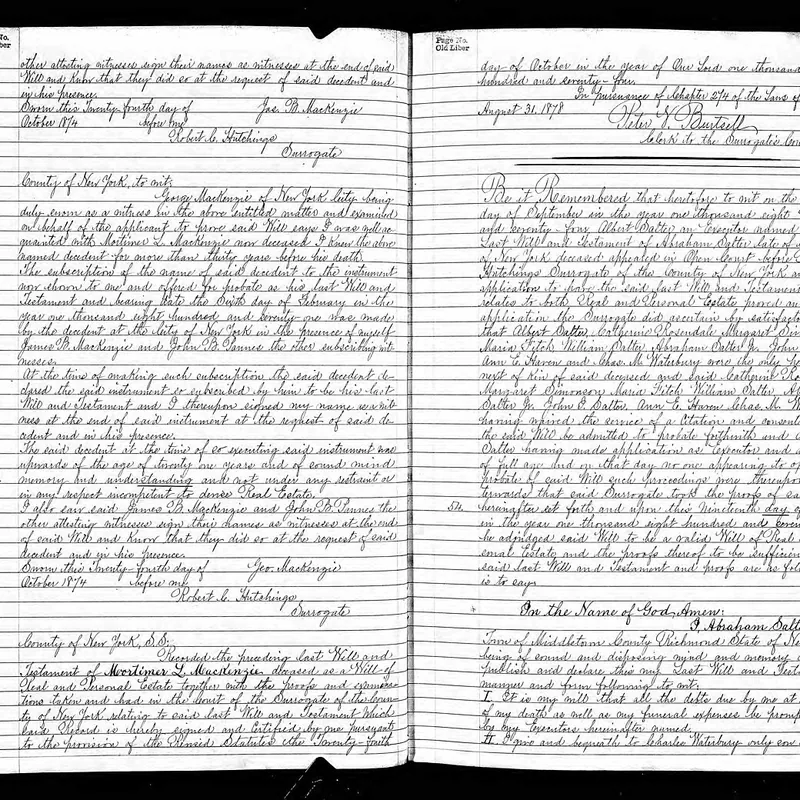
Sample amendment wording
The example below shows the structure only. Adapt it to your trust’s exact name, date and provisions, and check it against your amendment clause and state law.
FIRST AMENDMENT TO THE [NAME] REVOCABLE LIVING TRUST
I, [full name], as Grantor and Trustee of the [Name] Revocable Living Trust dated [original date], under the power reserved to me in Article [number] of the trust, amend the trust as follows:
1. Article [number], Section [number], is deleted in its entirety and replaced with the following: “[new wording in full].”
2. Except as amended above, all provisions of the trust remain in full force and effect.
Dated: [date]
[Signature], Grantor and Trustee
[Notary acknowledgement]
Notice that the sample replaces a whole section rather than editing a few words inside it. Replacing complete sections leaves less room for misunderstanding about what the trust now says.
If you keep a digital copy, store it securely and label it clearly with the date, but remember that institutions may still ask to see the signed original. A short index sheet at the front of your trust binder, listing the original trust and each amendment by number and date, makes the whole history easy to follow.
Common reasons to amend a trust
| Life change | What you might update |
|---|---|
| Birth or adoption of a child or grandchild | Add beneficiaries or adjust shares |
| Marriage, divorce or death of a spouse | Beneficiaries, trustees and specific gifts |
| Change of successor trustee | Name a new person or a professional trustee |
| Buying or selling property | Specific gifts of real estate; retitle new property into the trust |
| Moving to another state | Check the trust still works under the new state’s law |
| A beneficiary’s circumstances change | Add protections, such as staggered distributions |
| Charitable wishes | Add or change gifts to charities |
Notarisation and witnesses
Whether a trust amendment must be notarised or witnessed depends on your state and on your trust’s own terms. Many states do not strictly require notarisation for a revocable trust amendment, but it is strongly recommended. A notarised signature is much harder to challenge, and banks, brokerages and title companies often expect it. If the amendment affects real estate and you need to record anything with the county, notarisation is typically required. When in doubt, notarise.
Do not forget the assets
A trust only controls the assets that are actually titled in its name, or that name it as beneficiary. Changing the trust document does not change who owns what.
| Asset | What to check |
|---|---|
| Real estate | The deed should name the trustee of the trust as owner |
| Bank and brokerage accounts | Retitle into the trust, or add the trust as a transfer-on-death beneficiary where allowed |
| Retirement accounts (IRAs, 401(k)s) | These pass by beneficiary designation; get advice before naming a trust because of tax rules |
| Life insurance | Pays to the named beneficiary, which may or may not be the trust |
| Vehicles and personal property | Often covered by an assignment to the trust or a pour-over will |

Joint trusts: special care needed
Many married couples have a joint revocable trust. While both spouses are alive, the trust often requires both to sign any amendment, although some trusts allow either spouse to revoke their share. After one spouse dies, the trust may split into separate shares, and part of it, often called the decedent’s or bypass trust, may become irrevocable. The surviving spouse may then be able to amend only their own share. If you are a surviving spouse, have the trust reviewed before making changes.
Certification of trust: proving the trust without sharing it
After an amendment, especially one that changes trustees, banks and other institutions may ask for proof of who has authority. Many states let you use a short “certification of trust” (sometimes called a certificate or abstract of trust). It confirms the trust exists, names the current trustees and their powers, and states that the trust has not been revoked, without revealing private details such as who inherits what. The Uniform Trust Code includes a provision on this, and many institutions accept a certification instead of the full trust document.
Capacity and undue influence
To amend a trust, you generally need the same kind of mental capacity required to make a will: understanding what you own, who your family members are, and what the amendment does. Amendments made late in life, during illness, or that suddenly favour a carer or new acquaintance are the ones most often challenged in court. If there could be any doubt, it is worth involving a lawyer, and sometimes a doctor’s assessment, so there is clear evidence that the change reflects your own wishes.
Telling beneficiaries and your successor trustee
You do not usually need to tell beneficiaries when you amend a revocable trust during your lifetime. However, once the trust becomes irrevocable, typically on your death, many states require the successor trustee to notify beneficiaries within a set period and keep them reasonably informed. Make your successor trustee’s job easier by keeping all documents together, listing where assets are held, and, if appropriate, explaining your reasons in a separate letter of wishes.
When you really should use a lawyer
| Situation | Why professional help matters |
|---|---|
| Large estates or tax planning | Federal and state estate tax rules are complex and change |
| Blended families | Balancing a spouse and children from earlier relationships is a common source of disputes |
| A beneficiary with special needs | Poorly drafted gifts can affect eligibility for means-tested benefits |
| Concerns about capacity or pressure | Amendments made when capacity is in doubt are more likely to be challenged |
| Irrevocable or partly irrevocable trusts | Changes may require consent, court approval or specialist techniques |
| Property in more than one state or country | Different laws may apply to different assets |
| Disinheriting someone | Clear drafting reduces the risk of a contest |
Many estate planning attorneys offer a fixed fee for reviewing or drafting an amendment. Some people use online legal document services for simple changes; if you do, read every word and make sure the result fits your existing trust.

A trust review checklist
Whether or not you make changes, a regular review keeps your trust working. Every few years, go through these questions:
| Question | If the answer is no |
|---|---|
| Are the beneficiaries and their shares still what I want? | Draft an amendment |
| Are my named successor trustees still willing and able to act? | Name new or additional trustees |
| Is every major asset titled in the trust or properly designated? | Retitle assets or update beneficiary forms |
| Do I still live in the state whose law the trust assumes? | Have the trust reviewed under your new state’s law |
| Do my will, powers of attorney and healthcare directives still match the trust? | Update them together |
| Can my successor trustee find everything? | Write an asset list and tell them where documents are kept |
Common mistakes to avoid
| Mistake | Better approach |
|---|---|
| Handwriting changes on the original trust | Use a separate, signed amendment |
| Vague wording | Quote the section being changed and give full replacement text |
| Ignoring the amendment clause | Follow its required method exactly |
| Only one spouse signing a joint trust | Check whether both signatures are required |
| Forgetting to fund the trust | Retitle new assets and review beneficiary designations |
| Losing track of amendments | Number them and keep them with the original trust |
| Not telling anyone | Let your successor trustee know where documents are kept |
A note for UK readers
Revocable living trusts are mainly a US estate planning tool, used largely to avoid probate. In England and Wales, people more often rely on wills, lasting powers of attorney and, in some cases, trusts set up for specific purposes, which have their own tax rules. A will can be changed with a codicil, which must be signed and witnessed with the same formalities as a will, or replaced with a new will. If you have assets in both the UK and the US, take advice from professionals in both countries.
For more consumer and legal guides, see our articles on cancelling a Marriott timeshare and checking a financial firm is regulated.
More consumer and legal guides: RLP civil recovery letters, checking a broker is regulated, cancelling a Marriott timeshare.
Frequently asked questions
Can I amend my living trust without a lawyer?
Usually yes, for a revocable trust, by following the trust’s amendment clause with a signed written amendment.
What is the difference between an amendment and a restatement?
An amendment changes specific parts; a restatement rewrites the whole trust while keeping its original name and date.
Does a trust amendment need to be notarised?
It depends on your state and trust terms, but notarising is strongly recommended and often expected by financial institutions.
Can I handwrite changes on my trust?
It is not advisable. Use a separate, signed amendment that clearly states the changes.
Do both spouses need to sign a joint trust amendment?
Often, while both are alive. Check your trust; after one spouse dies, part of the trust may become irrevocable.
Can an irrevocable trust be amended?
Generally not by the creator alone. Options may include beneficiary consent, court approval or specialist techniques; see a lawyer.
Do I need to retitle assets after amending my trust?
Not for assets already in the trust, but new assets must be titled in the trust’s name.
Can a will change my trust?
Under the Uniform Trust Code, sometimes, if the trust does not specify an exclusive method and the will expressly refers to the trust. Following the trust’s own method is safer.
How often should I review my trust?
Every few years, and after major life events such as marriage, divorce, births, deaths or moving state.
Where should I keep my trust amendment?
With the original trust document, in a safe place your successor trustee knows about.
Final thoughts
Amending a revocable living trust is usually something you can do yourself: read the amendment clause, write a clear, specific amendment, sign it properly (ideally before a notary), keep it with the trust, and make sure your assets are actually held by the trust. Save the lawyer for the complicated cases, where expert drafting can prevent expensive problems later.
Sources: Uniform Trust Code (Uniform Law Commission), including sections on revocation and amendment of revocable trusts and certification of trust; state trust statutes such as the California Probate Code; general US estate planning guidance; Wills Act 1837 (England and Wales) on codicils. Images: Wikimedia Commons, credited in each caption.