Short answer: a whole-body MRI scan in Turkey typically costs about $350 to $1,400, depending on the clinic and how much of the body is covered, with premium private hospitals in Istanbul quoting up to around $2,600. That compares with roughly $999 (Ezra) to $2,499 (Prenuvo) for a whole-body MRI from US screening companies. Add flights and a hotel, often $1,000 or more, before comparing.
Before you book, know that “full body scan” can mean very different tests, and that the American College of Radiology does not recommend whole-body screening for people with no symptoms. Below: what you actually get, realistic costs, how to choose a clinic and the risks.
What does “full body scan” mean?
| Test | What it is | Radiation? |
|---|---|---|
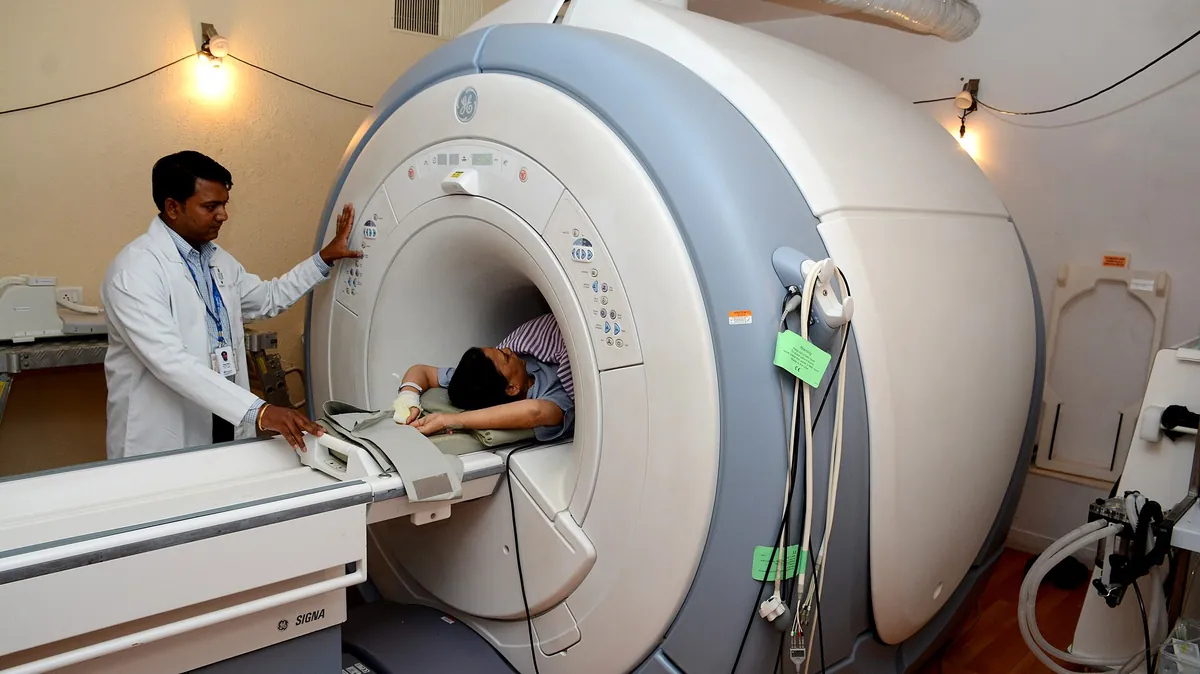
| Whole-body MRI | Magnetic imaging of the head, neck, chest, abdomen and pelvis (sometimes limbs) in one session, typically 45-60 minutes | None |
| Whole-body CT | Rapid X-ray based scan | Yes, significant |
| PET-CT | Used to stage known cancers, not for screening healthy people | Yes |
| Executive check-up package | Blood tests, ultrasound, ECG, chest X-ray, consultations; not a full scan | Usually low |
Most “full body scan” packages marketed to medical tourists in Turkey are either whole-body MRI or broad check-up packages. Whole-body MRI is the one most comparable to US services such as Prenuvo and Ezra.
How much does a full body scan cost in Turkey vs the US?
| Cost item | Typical range | Notes |
|---|---|---|
| Whole-body MRI in Turkey | $350-1,400 (up to ~$2,600 premium) | Ask whether contrast and a radiologist’s report in English are included |
| Check-up package in Turkey | A few hundred to over $1,000 | Depends on number of tests and consultations |
| Return flight to Istanbul | $700-1,200 from the US (economy) | Much less from Europe |
| Hotel and transfers | $100-300 a night | Many clinics offer packages |
| Follow-up at home | Varies | Any finding needs local review |
For someone flying from the US, a mid-range Turkish scan plus travel can end up close to the cost of a US scan. The saving is clearer for travellers from Europe, or for people combining the scan with other planned treatment or a holiday.

Should you get a full body scan at all?
This is the most important question. The American College of Radiology has said it does not believe there is enough evidence to recommend whole-body screening for people who have no symptoms or family history suggesting disease. The main concerns are:
- Incidental findings. Scans frequently find harmless cysts, nodules and anomalies that lead to anxiety, extra scans, biopsies and costs.
- False reassurance. A clear scan does not rule out all disease; MRI is weaker for some conditions (for example, early lung changes).
- No proven benefit in large studies for people at average risk.
- Radiation if the scan is CT rather than MRI.
Proven screening tests for specific conditions, such as mammograms, colonoscopy and cervical screening, remain the evidence-based choice. Ask your own doctor which you are due for.
How to choose a clinic in Turkey
- Check accreditation. Look for Joint Commission International (JCI) accreditation and Turkish Ministry of Health licensing.
- Ask what is scanned. Head to pelvis? Limbs? Is contrast used?
- Confirm who reads it. Ask for a board-certified radiologist’s written report in English.
- Get your images. Request the full DICOM image files so your doctor at home can review them.
- Plan follow-up. Decide in advance how you will handle any finding once you are home.
- Get an all-inclusive written quote, including reports, transfers and any consultation fees.
What happens on the day
- A safety questionnaire (metal implants, pacemakers, pregnancy and claustrophobia matter for MRI).
- Changing into a gown and removing all metal.
- Lying still in the scanner for roughly 45-60 minutes; the machine is loud, so earplugs or headphones are provided.
- A report, usually within a few days, often reviewed with a doctor.
More health guides: full body MRI costs in the US, mold testing for children, mold exposure symptoms in kids, hair transplants in Turkey, dental implants in Turkey, mucus in stool, behavioural therapy, dementia vs Alzheimer’s.
Frequently asked questions
How much is a full body MRI in Turkey?
Typically about $350 to $1,400, depending on the clinic and scan coverage, with premium Istanbul hospitals quoting up to around $2,600. Travel costs are extra.
Is a full body scan cheaper in Turkey than in the US?
The scan itself usually is. US whole-body MRI services charge roughly $999 to $2,499. Once flights and hotels are added, the overall saving for US travellers can be small.
Is a full body scan worth it?
For people without symptoms, the American College of Radiology does not recommend whole-body screening because the evidence of benefit is lacking and incidental findings can lead to unnecessary tests. Discuss it with your doctor first.
Does a full body MRI use radiation?
No. MRI uses magnetic fields and radio waves. Whole-body CT, by contrast, involves a significant radiation dose.
How long does a full body MRI take?
Usually about 45 to 60 minutes in the scanner.
What should I ask a Turkish clinic before booking?
Ask about accreditation, exactly what is scanned, whether contrast is used, who writes the report (and in what language), whether you get the DICOM images, and what the all-inclusive price is.
Final thoughts
Turkey can offer a whole-body MRI for a fraction of US prices, but the real question is whether you need one. If you go ahead, choose an accredited hospital, insist on an English report and your image files, and plan how you will follow up any findings at home.
Sources: US whole-body MRI price lists as reported (Prenuvo, Ezra, 2025-2026); Turkish clinic and medical-travel platform price ranges (Bookimed and others, 2026); American College of Radiology position on whole-body screening; US News & World Report health coverage. Images: Wikimedia Commons, credited in each caption.