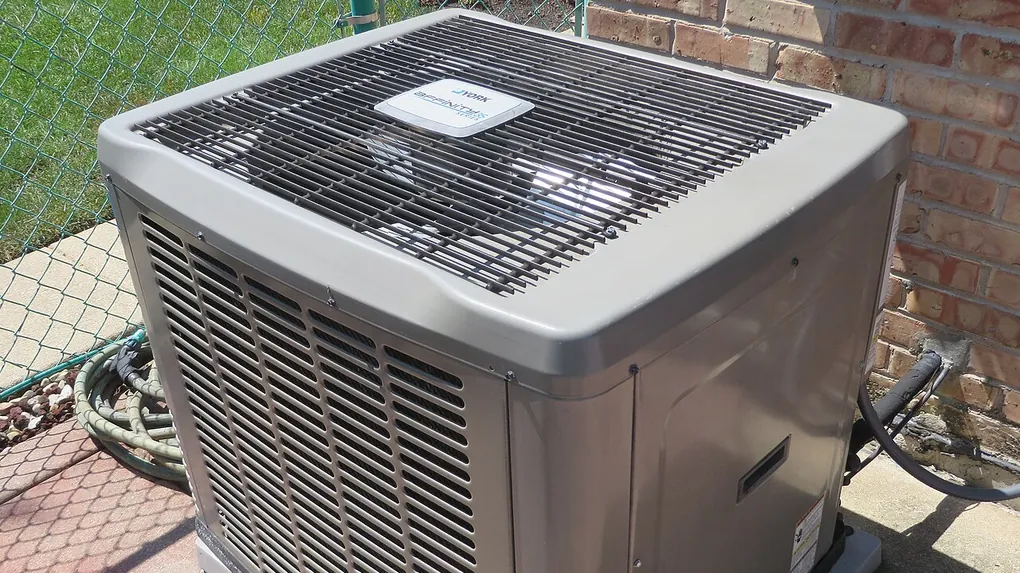
Short answer: A central air conditioner typically lasts about 15 to 20 years, according to the US Department of Energy’s Energy Saver guidance, although many manufacturers quote a more cautious 12 to 17 years. Heat pumps, which work year-round, are often quoted at around 10 to 15 years, with well-maintained systems sometimes lasting longer. Window and portable units usually have shorter lives.
How long yours lasts depends mostly on climate, how hard it works, correct sizing and installation, and maintenance. Changing filters regularly and having an annual service are the two habits that make the biggest difference. If your system is over 15 years old, uses the phased-out R-22 refrigerant, or needs expensive repairs, it is usually time to compare repair with replacement.
I will be honest with you: “how long do AC units last?” is usually asked at one of two moments. Either you are buying a house and wondering about the unit humming in the garden, or your system is struggling on the hottest day of the year. Either way, you want a realistic answer and a sense of whether to repair or replace. This guide gives typical lifespans by type, the factors that shorten or extend them, the warning signs of a failing system, the repair-or-replace decision, and the maintenance habits that help an air conditioner reach old age.

Typical lifespan by type of air conditioner
| Type | Typical lifespan | Notes |
|---|---|---|
| Central air conditioner | About 15–20 years (DOE); 12–17 often quoted by manufacturers | Outdoor condenser plus indoor coil and ductwork |
| Air-source heat pump | Commonly 10–15 years; longer with good care | Heats and cools, so runs more hours a year |
| Ductless mini-split | Often quoted at 15–20 years with maintenance | Similar technology to heat pumps; no ducts |
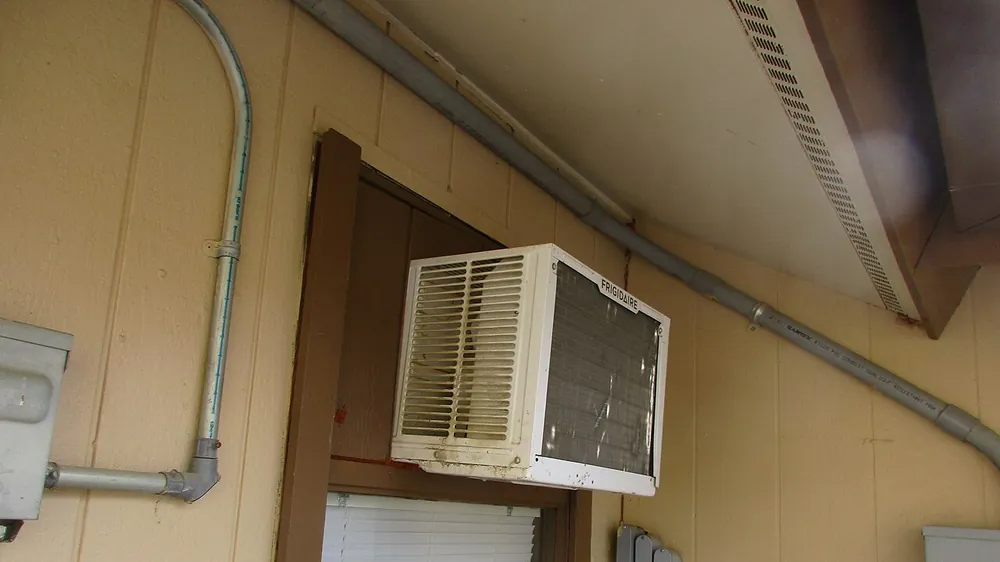
| Window unit | Generally shorter, often around a decade | Exposed to weather; usually cheaper to replace |
| Portable unit | Generally the shortest | Light-duty design; easy to replace |
| Geothermal heat pump (indoor parts) | Often quoted at 20+ years; ground loops much longer | Protected from weather |
Why do heat pumps often have shorter quoted lifespans than central air conditioners? Mainly because they run all year, heating in winter and cooling in summer, so they clock up more operating hours. In mild climates where heating demand is low, the difference can be small.
What affects how long an AC lasts
| Factor | Effect on lifespan |
|---|---|
| Climate | Hot, humid regions with long cooling seasons put more hours on the system |
| Coastal air | Salt spray can corrode coils and fins faster |
| Maintenance | Dirty filters and coils make the system work harder and fail sooner |
| Correct sizing | Oversized units cycle on and off too often; undersized units run constantly |
| Installation quality | Poor refrigerant charge, ductwork or electrical work shortens life |
| Thermostat habits | Very low settings and constant running add wear |
| Ductwork condition | Leaky or undersized ducts force the system to work harder |
| Outdoor unit placement | Shade and clear airflow help; blocked or sun-baked units struggle |
My advice: installation matters as much as the brand. A mid-range unit installed and sized correctly by a good contractor will usually outlast a premium unit that was poorly installed. When replacing, ask the contractor how they calculated the size, ideally using a proper load calculation rather than a rule of thumb.
How long individual parts last
An air conditioner is a collection of parts, and some wear out long before the whole system. Knowing which parts commonly fail helps you judge whether a repair is a sensible investment.
| Component | Typical behaviour | Repair outlook |
|---|---|---|
| Capacitor | A common failure, especially in heat | Usually a quick, inexpensive repair |
| Contactor | Wears with repeated switching | Usually inexpensive |
| Fan motors | Can fail after many years of use | Moderate cost; often worth repairing |
| Evaporator and condenser coils | Can corrode or leak, especially in coastal areas | Costly; on older systems often triggers replacement |
| Compressor | Designed to last many years, but failure is serious | The most expensive repair; often a replacement point on older units |
| Thermostat | Electronics can fail or become outdated | Inexpensive to replace or upgrade |
| Ductwork | Often outlasts several air conditioners | Sealing and repairs can improve performance |
Signs your air conditioner is near the end
| Warning sign | What it may mean |
|---|---|
| Age over 15 years | Components are wearing out; efficiency is well below modern units |
| Frequent breakdowns | Repairs are becoming a pattern rather than a one-off |
| Rising energy bills | Falling efficiency, refrigerant leaks or failing parts |
| Weak or warm airflow | Compressor, refrigerant or ductwork problems |
| Uneven cooling or high humidity | The system can no longer keep up |
| Strange noises | Grinding, squealing or banging can signal failing motors or compressors |
| Refrigerant leaks | Especially costly on older R-22 systems |
| Ice on the coils or lines | Airflow or refrigerant problems |
Repair or replace?
There is no single right answer, but a few rules of thumb help. One widely used one is the “$5,000 rule”: multiply the age of the unit in years by the repair cost. If the result is more than $5,000, replacement is often the better value. For example, a 12-year-old unit needing a $500 repair gives 6,000, which points towards replacing. It is only a guide, but it frames the decision.
| Lean towards repairing | Lean towards replacing |
|---|---|
| System is under about 10 years old | System is over about 15 years old |
| Repair is minor, such as a capacitor or contactor | Compressor or coil failure on an older unit |
| Few previous breakdowns | Repeated repairs in recent years |
| Efficiency is still reasonable | Energy bills have climbed noticeably |
| Uses current refrigerant | Uses R-22, which is now expensive to service |
| Comfort is still good | Rooms are uneven or humid |
If you do replace, it is often worth replacing the indoor coil along with the outdoor unit so they are properly matched. Mismatched components can reduce efficiency and reliability, and manufacturers’ ratings assume matched systems.
The refrigerant question: R-22 and R-410A
Refrigerant rules have a big effect on older systems. In the US, production and import of new R-22 refrigerant ended on 1 January 2020 under EPA rules to protect the ozone layer. Systems using R-22 can still run, but repairs that need refrigerant rely on limited recycled supplies, which can make them expensive.
The next transition is under way. Under the American Innovation and Manufacturing (AIM) Act, the EPA is phasing down hydrofluorocarbons such as R-410A, which has a high global warming potential. New residential systems are moving to lower-impact refrigerants such as R-454B and R-32, which are classed as “mildly flammable” (A2L) and require updated installation practices. Existing R-410A systems can continue to be used and serviced.
| Refrigerant | Status in the US | What it means for you |
|---|---|---|
| R-22 (Freon) | New production and import ended in 2020 | Repairs can be costly; often a reason to replace |
| R-410A | Being phased down for new systems | Existing systems can be serviced; new units moving to alternatives |
| R-454B and R-32 | Lower global warming potential; used in many new systems | Installed by technicians trained for A2L refrigerants |
Efficiency standards: SEER2
Since 1 January 2023, new central air conditioners and heat pumps sold in the US have been rated using an updated test procedure called SEER2, with regional minimums. New split-system air conditioners must meet at least 13.4 SEER2 in northern states and 14.3 SEER2 in southern and south-western states. A 15- or 20-year-old system will typically be far less efficient than a new one, which is part of the replacement calculation.
Myths about air conditioner lifespan
| Myth | Reality |
|---|---|
| A bigger unit cools better and lasts longer | Oversized units short-cycle, control humidity poorly and can wear out sooner |
| Turning the AC off and on wastes energy | Raising the setting when you are out usually saves energy; smart thermostats can pre-cool before you return |
| If it still runs, it does not need servicing | Small problems, such as low refrigerant or dirty coils, quietly increase wear and bills |
| All units last 20 years | Many do not, especially in hot climates or without maintenance |
| Closing vents in unused rooms helps | In many duct systems it increases pressure and strain; ask a technician first |
If you are unsure whether a habit helps or harms your system, ask during your next service visit. A good technician will explain what suits your particular equipment and home.
Maintenance habits that extend lifespan
What an annual service should include
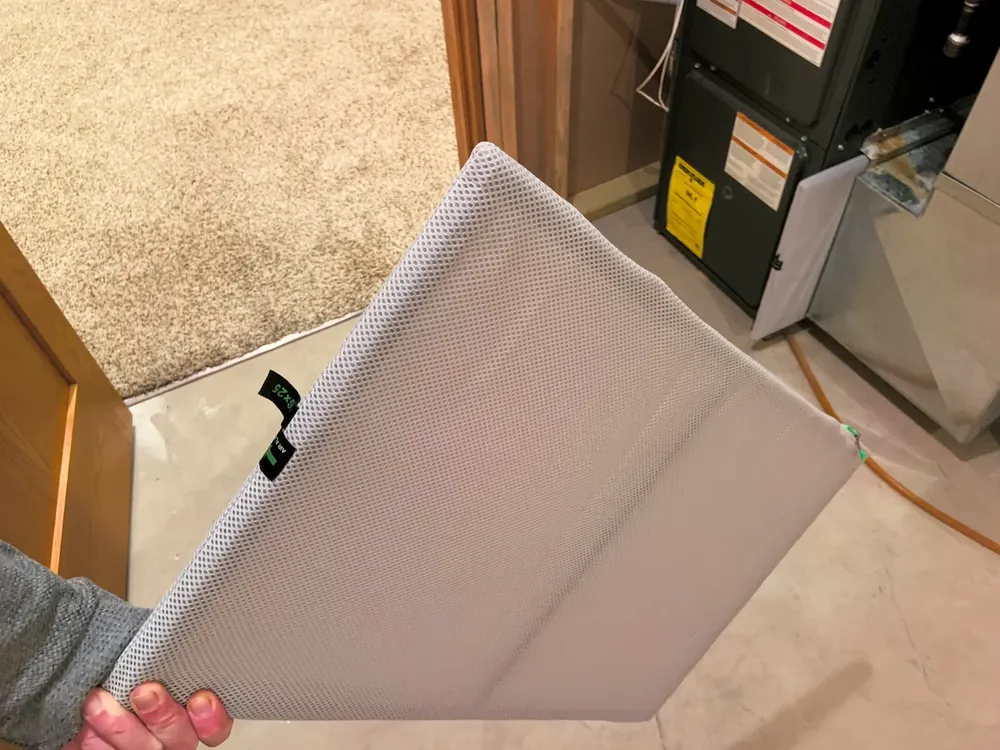
- Checking and replacing or cleaning the filter.
- Inspecting and cleaning the outdoor condenser coil and the indoor evaporator coil.
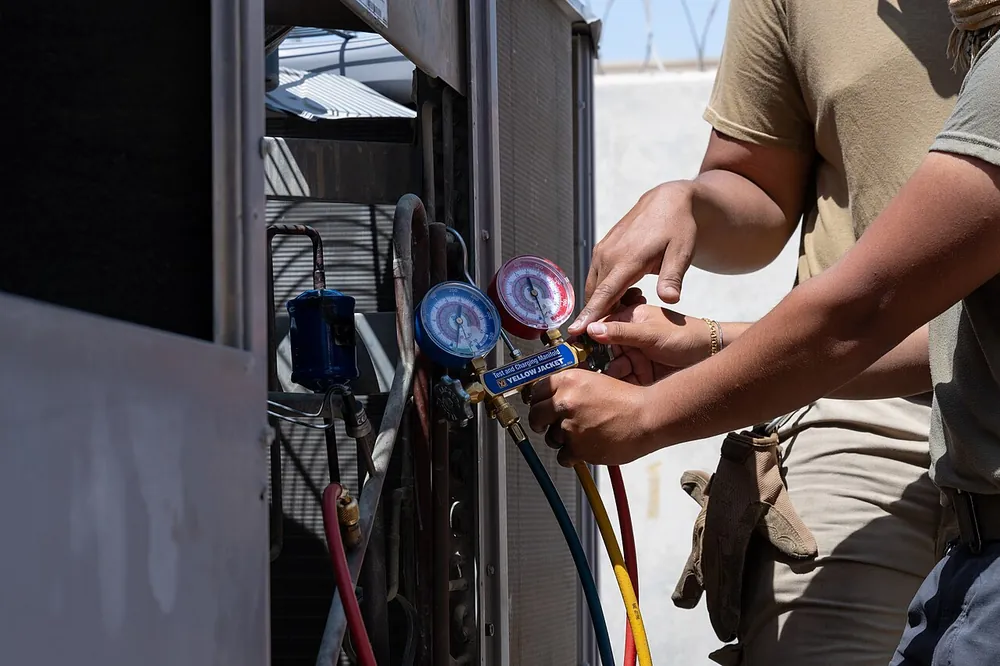
- Checking refrigerant pressures and looking for leaks.
- Testing capacitors, contactors and electrical connections.
- Checking fan motors and lubricating where needed.
- Clearing the condensate drain line and pan.
- Testing thermostat operation and the system’s overall cooling performance.
Ask for a written report after each visit. Over the years, those reports become a useful record of how your system is ageing, and they help when you sell your home.
Warranties: read the small print
Many manufacturers offer parts warranties on new systems, often longer if you register the product within a set period after installation. Labour is frequently covered separately, by the installer, and for a shorter time. Some warranties require proof of regular professional maintenance. Before you buy, ask what is covered, for how long, whether registration is needed, and who pays for labour if a part fails.
Choosing a replacement
| Step | Why it matters |
|---|---|
| Ask for a load calculation | Industry practice in the US is a “Manual J” calculation, which sizes the system to your home rather than guessing |
| Compare efficiency ratings | Higher SEER2 ratings cost more upfront but use less electricity |
| Consider a heat pump | It can provide efficient heating as well as cooling |
| Check the ductwork | A new unit connected to leaky or undersized ducts will underperform |
| Get several quotes | Compare equipment, installation details and warranties, not just price |
| Check incentives | Utility rebates and government incentives change; ENERGY STAR lists current offers |
A simple seasonal checklist
| When | What to do |
|---|---|
| Spring | Book a service, replace the filter, clear debris from around the outdoor unit, test cooling before the first heatwave |
| Summer | Check the filter monthly, keep vents unblocked, watch for ice, leaks or unusual noises |
| Autumn | Clear leaves from the outdoor unit; if you have a heat pump, book a heating check |
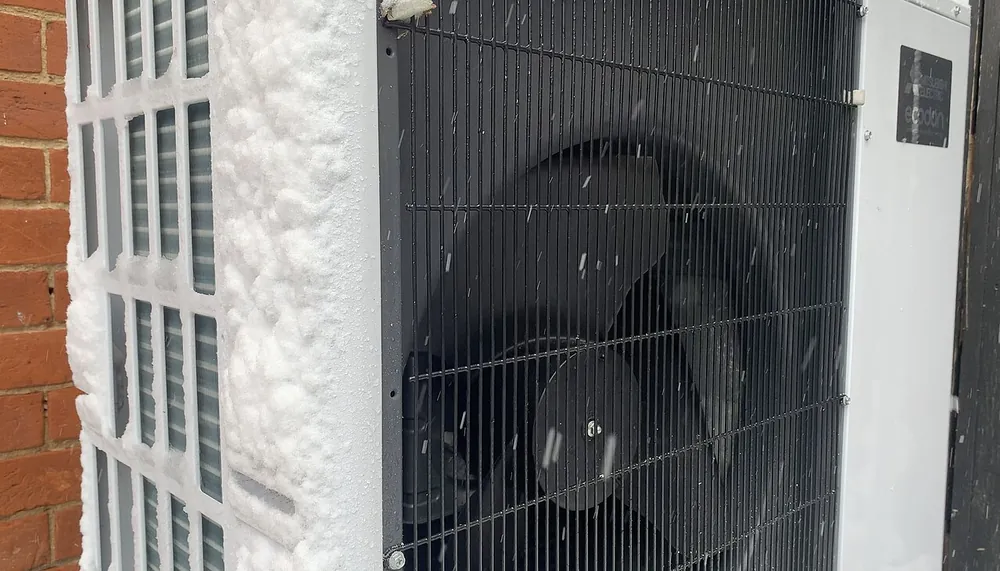
| Winter | Keep heat pump outdoor units clear of snow and ice; do not cover a heat pump that is in use |
Planning ahead for replacement
Air conditioners rarely fail at a convenient time. They tend to give up during the hottest weeks, when contractors are busiest and you have the least time to compare options. If your system is in its mid-teens, it is worth getting a replacement quote during a quieter season, setting aside money for the work, and deciding in advance what you would choose. Then, if it does fail, you can act quickly without paying for a rushed decision.
Buying a house with an older AC unit
| Check | How |
|---|---|
| Age | Look at the data plate on the outdoor unit; the serial number often encodes the manufacture date |
| Refrigerant | The data plate lists it; R-22 suggests an older system |
| Service history | Ask the seller for maintenance records |
| Performance | Ask your home inspector to test cooling and airflow |
| Budget | If the system is near the end of its life, factor replacement into your offer or plans |
Reducing the load on your system
The less your air conditioner has to work, the longer it is likely to last and the lower your bills. Simple steps include closing blinds on sunny windows, sealing draughts, adding loft insulation, using ceiling fans to feel cooler at a higher thermostat setting, and avoiding heat-producing activities such as oven cooking on the hottest afternoons. Our guide to fixing draughty windows covers one of the cheapest improvements.
A note for UK readers
Air conditioning is much less common in UK homes, though it is growing as summers get hotter. Many UK households considering cooling are looking at air-to-air or air-to-water heat pumps instead. In England and Wales, the government’s Boiler Upgrade Scheme offers a grant towards installing a heat pump to replace fossil-fuel heating. Installers of systems containing fluorinated gases must hold the appropriate F-gas certification. For older homes without ducts, see our guide to ductless mini splits in older homes.
More home and garden guides: how to preserve roses, fun hobbies for outdoorsy people, what dreams mean.
Frequently asked questions
How long does a central air conditioner last?
Typically about 15 to 20 years, according to US Department of Energy guidance, though manufacturers often quote 12 to 17 years.
How long does a heat pump last?
Commonly 10 to 15 years, and sometimes longer with good maintenance, because it runs for heating and cooling.
How long do window AC units last?
Generally less than central systems, often around a decade, depending on use and care.
What shortens an air conditioner’s life?
Poor maintenance, dirty filters, incorrect sizing, poor installation, hot climates and salty coastal air.
How often should I change my AC filter?
ENERGY STAR advises checking monthly and changing it at least every three months, or more often if dirty.
Should I repair or replace a 15-year-old AC?
Often replace, especially if the repair is major, the unit uses R-22, or bills are rising. Get quotes for both.
What is the $5,000 rule?
Multiply the unit’s age by the repair cost; if the total exceeds $5,000, replacement is often better value.
Can I still use an R-22 air conditioner?
Yes, but new R-22 is no longer produced in the US, so repairs needing refrigerant can be expensive.
What is SEER2?
The updated US efficiency rating used since 2023; new split air conditioners must meet regional minimums of 13.4 or 14.3 SEER2.
How can I make my AC last longer?
Change filters, book an annual service, keep the outdoor unit clear, seal ducts and use moderate thermostat settings.
Final thoughts
Most central air conditioners give 15 years or more of service, and heat pumps a little less, but care and installation make a huge difference. Look after the filter, book an annual check, keep the outdoor unit clear, and when your system reaches its mid-teens, start planning for replacement rather than waiting for it to fail in a heatwave.
Sources: US Department of Energy, Energy Saver guidance on central air conditioning and heat pumps; ENERGY STAR maintenance checklist; US Department of Energy 2023 central air conditioner and heat pump standards (SEER2); US EPA information on the R-22 phase-out and the AIM Act HFC phasedown; manufacturer lifespan guidance; UK government Boiler Upgrade Scheme. Images: Wikimedia Commons, credited in each caption.