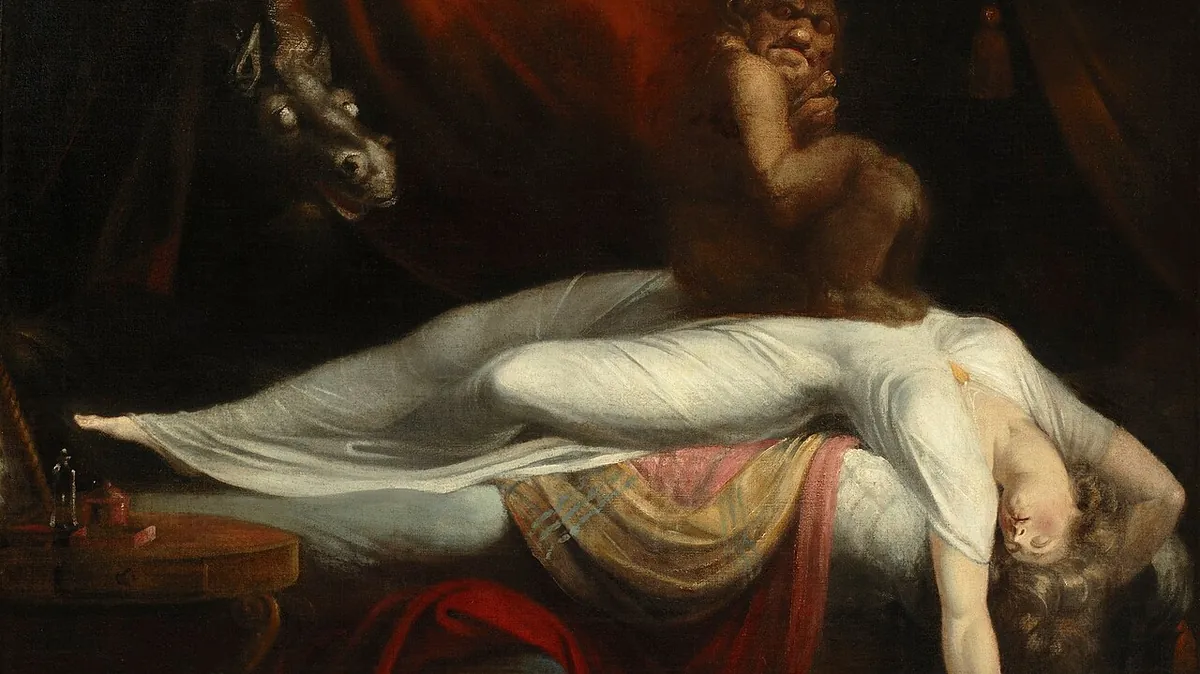
Short answer: there is no scientific “dictionary” of dream meanings. Researchers think dreams mostly reflect what is on your mind, your emotions, worries, memories and recent experiences, woven together in strange ways while the brain processes them during sleep, especially in REM (rapid eye movement) sleep. Common themes like being chased, falling, losing teeth or failing an exam are best read as clues to your feelings (stress, insecurity, feeling out of control), not as predictions.
If you want to understand your own dreams, keep a dream journal and ask: what emotion did I feel, and where does that feeling show up in my waking life? If nightmares are frequent or distressing, effective treatments exist, so talk to a doctor.
I will be honest with you: dream-meaning websites are hugely popular, and many promise to decode every symbol, a snake means betrayal, water means emotion, teeth falling out means death in the family. It is fun, but it is not science, and some of it can cause needless worry. This guide gives you what researchers actually know about why we dream, what the most common dreams probably mean, how to interpret your own dreams sensibly, and what to do about nightmares.

About dreammeaniing.com
Many people search for dreammeaniing.com (note the double “i”). When we checked on 27 November 2026, the domain had been registered on 24 November 2025 and the site was live, titled “Dream meaniing”. Like most dream-dictionary sites, it offers interpretations of dream symbols. There is nothing wrong with reading these for entertainment, but no dream dictionary is based on scientific evidence, so treat any interpretation as one possible idea rather than a fact about your life.
What happens in your brain when you dream
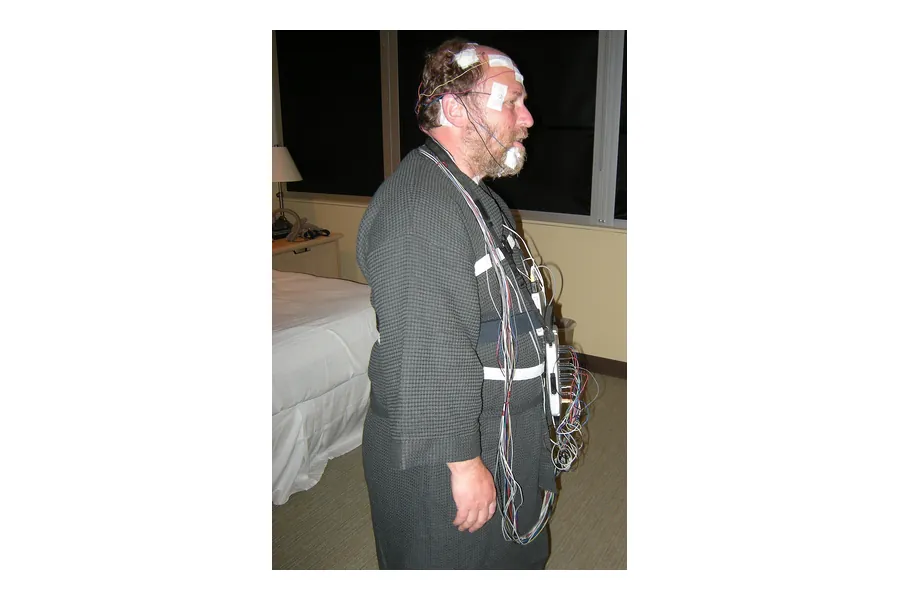
In 1953, researchers Eugene Aserinsky and Nathaniel Kleitman discovered rapid eye movement (REM) sleep, a stage when the eyes dart about, brain activity resembles wakefulness and the body’s muscles are largely paralysed. People woken from REM sleep usually report vivid, story-like dreams. We also dream in other sleep stages, but those dreams tend to be shorter and more thought-like.
| Sleep stage | What happens | Dreams |
|---|---|---|
| Light sleep (N1, N2) | Drifting off; body relaxes | Brief images and thoughts |
| Deep sleep (N3) | Slow brain waves; body repairs | Fewer, less vivid dreams |
| REM sleep | Fast brain activity, eye movements, muscle paralysis | Most vivid, emotional, story-like dreams |
Because REM periods lengthen in the early morning, the dreams you remember are often the ones just before you wake. Most dreams are forgotten within minutes of waking unless you recall or write them down straight away.
Why do we dream? The main theories
| Theory | The idea | Key name(s) |
|---|---|---|
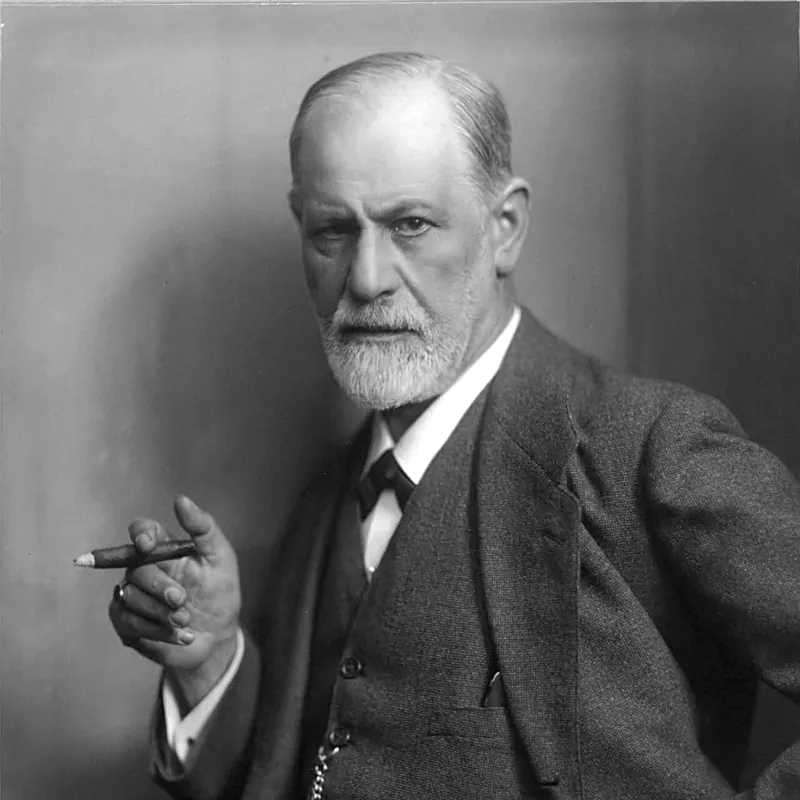
| Wish fulfilment | Dreams express hidden desires in disguised form | Sigmund Freud (1899-1900) |
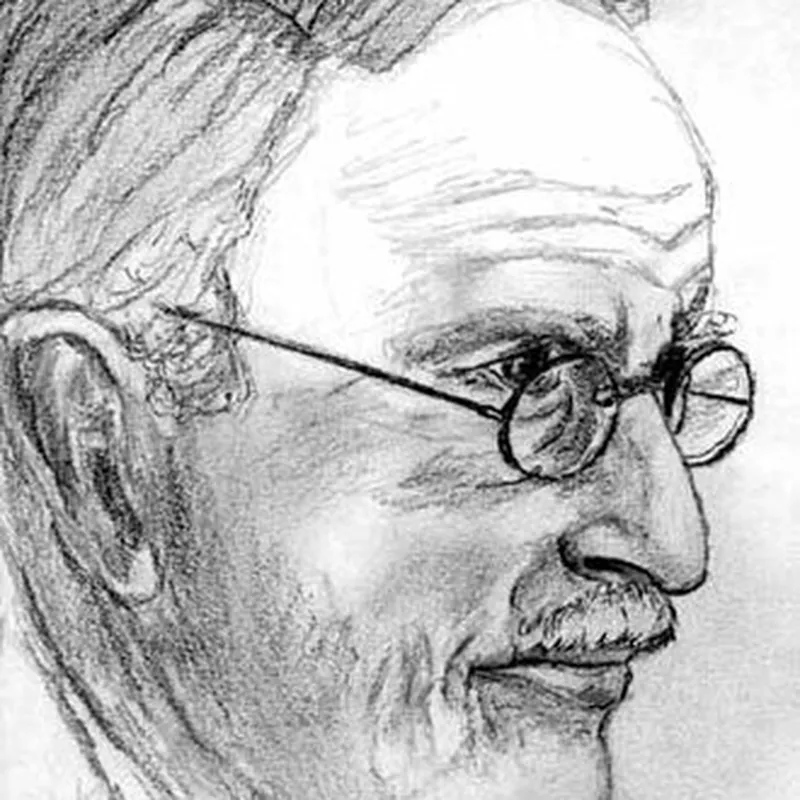
| Collective symbols | Dreams draw on universal archetypes and help balance the psyche | Carl Jung |
| Activation-synthesis | The brain makes stories out of random activity during REM sleep | J. Allan Hobson and Robert McCarley (1977) |
| Memory processing | Dreams are linked to consolidating and integrating memories | Many sleep researchers |
| Emotional processing | Dreams help process emotions and stressful experiences | Many sleep researchers |
| Threat simulation | Dreams rehearse responses to threats | Antti Revonsuo (2000) |
| Continuity | Dreams reflect the concerns of waking life | Many dream researchers |
Sigmund Freud’s The Interpretation of Dreams, published at the turn of the 20th century, made dream analysis famous, arguing that dreams disguise unconscious wishes. Carl Jung saw dreams as messages from the unconscious using universal symbols. Most modern scientists do not accept Freud’s specific claims, but many agree with the broader point that dreams relate to our emotional lives.
The “continuity hypothesis” has strong support from research: the people, places and worries in our dreams often reflect what is happening in our waking lives, even if they appear in bizarre combinations. That is the most useful starting point for interpreting your own dreams.
Common dreams and what they may reflect
Researchers who survey people about “typical dreams” find that certain themes appear across cultures. Being chased is among the most commonly reported. Here is what common themes may reflect, based on the emotions they usually involve, rather than fixed symbolic meanings:
| Dream | Common feelings | What it may reflect |
|---|---|---|
| Being chased | Fear, panic | Avoiding a problem, feeling threatened or stressed |
| Falling | Loss of control | Insecurity, a situation that feels out of control |
| Teeth falling out | Embarrassment, anxiety | Worries about appearance, ageing or how others see you |
| Being late or missing a train | Frustration, pressure | Feeling overloaded or worried about missing opportunities |
| Failing an exam | Anxiety, unpreparedness | Feeling tested or judged, even long after school |
| Being naked in public | Embarrassment, vulnerability | Fear of exposure or being judged |
| Flying | Freedom, excitement | Confidence or a wish to escape limits |
| A dead loved one | Grief, comfort | Processing loss; often reported as comforting |
| An ex-partner | Nostalgia, unease | Unresolved feelings, or simply a familiar figure in a new context |
My advice: when you remember a dream, ignore the symbol at first and focus on the emotion. Was it fear, embarrassment, relief or joy? Then ask where that feeling shows up in your life right now. That question is far more revealing than any dream dictionary.
Recurring dreams
Many people have a dream that returns again and again, sometimes for years: the same house, the same exam, the same chase. Researchers find that recurring dreams are often linked to unresolved stress or ongoing concerns, and they tend to be more negative in tone than ordinary dreams. They often fade when the underlying issue is resolved. If a recurring dream is distressing, the imagery rehearsal technique described below, deliberately imagining a new ending while awake, can help change it.
A sensible guide to dream symbols
Dream dictionaries assign fixed meanings to symbols. A more grounded approach is to ask what the symbol means to you and how it made you feel:
| Symbol | Questions to ask yourself |
|---|---|
| Water (calm or stormy) | Did it feel peaceful or overwhelming? Is something in your life calm or turbulent? |
| A house or rooms | Was it your home, a past home or somewhere new? Houses often relate to the self, family or security. |
| Animals | Was the animal friendly or threatening? What do you personally associate with it? |
| Cars and vehicles | Were you driving, a passenger or out of control? Who is “steering” in your life? |
| Exams, schools, work | Do you feel tested, judged or unprepared in some area? |
| Strangers | What were they like? They may represent parts of yourself or unfamiliar situations. |
How to interpret your own dreams
A dream journal works best kept by your bed. Write a few words immediately on waking, even before checking your phone. Over a few weeks, patterns often emerge that are genuinely useful for understanding your stress and moods.
A simple dream journal template
| Write down | Example |
|---|---|
| Date and how you slept | 12 March; slept badly, woke at 5am |
| The dream in a few lines | Late for a train, could not find my ticket, platform kept changing |
| The main emotion | Panic, frustration |
| Possible links to waking life | Big deadline at work this week |
| Anything recurring? | Third “late” dream this month |
Can you influence what you dream about?
To a degree. People often dream about things they thought about intensely before bed, and researchers have explored “dream incubation”, deliberately focusing on a topic as you fall asleep to make it more likely to appear in dreams. Stress, what you watch and read, and even sounds or smells in the room can colour dream content. You cannot reliably choose your dreams, but a calm wind-down routine and less screen time before bed tend to make sleep, and dreams, more peaceful.
Dreams in pregnancy, illness and on medication
Many pregnant people report more vivid or unsettling dreams, likely linked to hormonal changes, disrupted sleep and understandable anxieties. Fever can cause strange “fever dreams”, and some medicines, as well as stopping alcohol or certain drugs, can trigger vivid dreams or nightmares. If a new medicine seems to be causing disturbing dreams, do not stop it suddenly; ask your doctor or pharmacist whether an alternative or a different dosing time might help.
Nightmares: when bad dreams become a problem
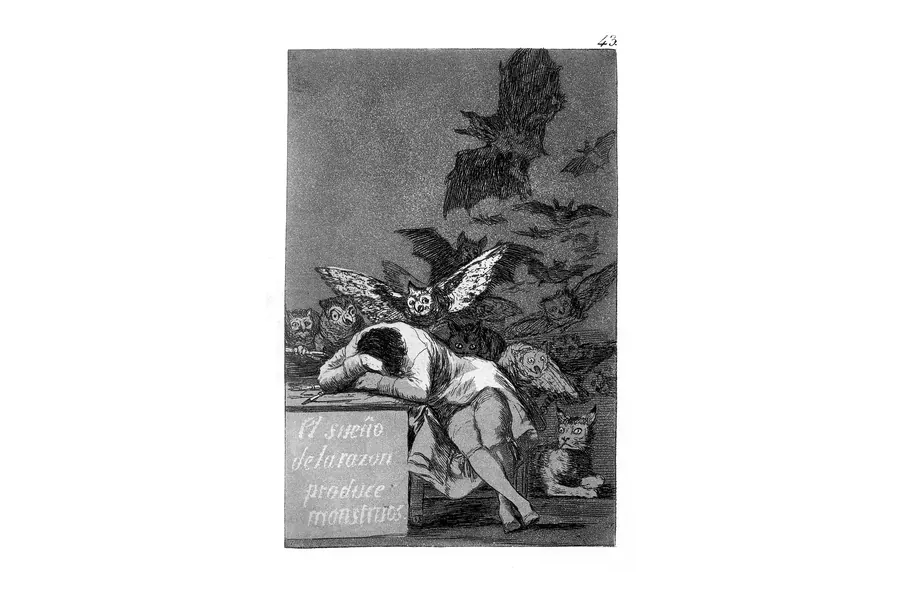
Occasional nightmares are normal, especially during stressful periods, illness or after watching something frightening. They are common in children. But frequent nightmares that disturb sleep, cause dread of going to bed or affect daytime life may be a condition called nightmare disorder, and they are also a common feature of post-traumatic stress disorder (PTSD).
| Possible trigger | Examples |
|---|---|
| Stress and anxiety | Work, exams, money or relationship worries |
| Trauma | Past frightening or distressing experiences |
| Sleep problems | Irregular sleep, sleep deprivation, sleep apnoea |
| Medicines and substances | Some medicines, alcohol, or stopping certain drugs |
| Illness | Fever can bring vivid dreams |
Effective treatments exist. Imagery rehearsal therapy, in which you rewrite a recurring nightmare with a different, less frightening storyline and rehearse it while awake, is recommended by sleep medicine experts for nightmare disorder. Treating underlying anxiety, trauma or sleep problems often helps too. If nightmares are frequent or distressing, speak to your doctor.
Children’s dreams, nightmares and night terrors
Nightmares are common in children and usually not a cause for concern. Night terrors are different: they happen in deep non-REM sleep, often in the first part of the night, and a child may scream, thrash or seem awake but not respond, then remember nothing in the morning. The NHS notes that night terrors are most common in children aged three to eight and that most children grow out of them.
| Nightmare | Night terror | |
|---|---|---|
| Sleep stage | Usually REM, later in the night | Deep non-REM, often early in the night |
| Child’s response | Wakes up frightened and can be comforted | Seems awake but is not; hard to comfort |
| Memory | Often remembers the dream | Usually no memory |
| What to do | Reassure and comfort | Stay calm, keep them safe, do not wake them forcibly |
Sleep paralysis
Sleep paralysis happens when you become aware while your body is still in the muscle paralysis of REM sleep, usually just as you fall asleep or wake up. You cannot move or speak for a few seconds to a couple of minutes, and some people experience frightening hallucinations, such as a presence in the room or pressure on the chest, which may explain old folklore about night-time visitors. It is common and generally harmless, though very unpleasant. Regular sleep, less stress and avoiding sleeping on your back can help; see a doctor if it happens often.
Lucid dreaming
A lucid dream is one in which you realise you are dreaming, and sometimes can influence what happens. Lucid dreaming was demonstrated in sleep laboratories from the 1970s and 1980s, when researchers including Keith Hearne and Stephen LaBerge showed that lucid dreamers could signal from inside a dream using pre-agreed eye movements. Techniques to encourage lucid dreams include keeping a dream journal, doing “reality checks” during the day, and setting an intention before sleep. Some people use lucid dreaming to cope with nightmares, though evidence is still developing.
Dreams and sleep health
Remembering lots of dreams is not a problem in itself; it often just means you woke during or after REM sleep. But very vivid, disturbing or frequent dream recall can sometimes point to disrupted sleep. Good sleep habits help: regular bed and wake times, a dark and quiet bedroom, limiting caffeine and alcohol, and winding down without screens before bed.
Dreams across cultures and history
Long before modern science, people treated dreams as messages from gods, ancestors or the future. Ancient Egyptians and Mesopotamians recorded dream interpretations, the Greek writer Artemidorus compiled a famous dream book in the 2nd century, and religious texts across many traditions include significant dreams. Today, cultural background still shapes how people view their dreams, from sources of guidance to random brain activity. Respecting those traditions is compatible with understanding what science can and cannot say.
Myths and facts about dreams
| Myth | Fact |
|---|---|
| “Dreams predict the future” | There is no scientific evidence that dreams foretell events. |
| “Every symbol has one meaning” | Meaning depends on the dreamer’s life and feelings. |
| “Some people never dream” | Almost everyone dreams; some people rarely remember their dreams. |
| “If you die in a dream, you die in real life” | False. Many people dream of dying and wake up perfectly fine. |
| “Dreams only last a few seconds” | Dreams can last many minutes, especially in long REM periods. |
More home and garden guides: how to preserve roses, fun hobbies for outdoorsy people.
Frequently asked questions
What do dreams mean?
Researchers think dreams mostly reflect your emotions, memories and concerns, processed in unusual ways during sleep. There is no fixed meaning for each symbol.
Why do we dream?
Theories include emotional processing, memory consolidation, threat rehearsal and the brain making sense of activity during REM sleep.
What does it mean to dream about being chased?
Often stress, fear or avoiding a problem in waking life.
What does it mean when you dream about teeth falling out?
It is commonly linked to anxiety about appearance, ageing or how others see you.
Can dreams predict the future?
There is no scientific evidence that they can.
Why do I remember some dreams and not others?
You are more likely to remember dreams if you wake during or just after REM sleep.
What is lucid dreaming?
Becoming aware that you are dreaming while still asleep, sometimes with control over the dream.
How can I stop nightmares?
Reduce stress, keep good sleep habits, and speak to a doctor about treatments such as imagery rehearsal therapy if nightmares are frequent.
Is dreammeaniing.com reliable?
It is a dream-dictionary site registered in November 2025. Like all such sites, its interpretations are not scientific evidence.
Does everyone dream?
Almost everyone dreams several times a night, though many people rarely remember them.
Final thoughts
Dreams are a window into your emotional life, not a code to be cracked with a dictionary. Notice the feelings in your dreams, connect them to what is happening in your waking life, and use what you learn for reflection. If bad dreams are spoiling your sleep, help is available and effective.
Sources: Aserinsky and Kleitman (1953), discovery of REM sleep; Freud, The Interpretation of Dreams (1899/1900); Hobson and McCarley (1977), activation-synthesis hypothesis; Revonsuo (2000), threat simulation theory; research on typical dream themes; American Academy of Sleep Medicine guidance on nightmare disorder treatment; CDC sleep guidance; our own check of dreammeaniing.com (27 November 2026). Images: Wikimedia Commons, credited in each caption.