Short answer: to start an ATM business you buy a machine (roughly $2,000-$3,000 new for a common retail model, less refurbished), sign a processing agreement that connects it to the card networks, place it in a busy location under a written agreement with the property owner, and fund it with your own cash (often a few thousand dollars per machine). You earn mainly from the surcharge each customer pays, which averaged $3.22 in the US in 2025, plus a small interchange fee.
Location is everything. A machine doing five withdrawals a day may barely cover its costs; one doing 10-15 a day can pay for itself within a year. Start with one or two machines, track the numbers, and grow from there.
I will be honest with you: the ATM business is often sold online as “passive income”, and it is not quite that. You will be loading cash, chasing error codes, negotiating with shop owners and watching transaction reports. But it is a simple, understandable business with low running costs, and in the right locations it can be steadily profitable. Here is how it works, what it costs, what you can realistically earn, and the steps to get your first machine running.
How an ATM business makes money
| Income or cost | Who pays whom | Typical size |
|---|---|---|
| Surcharge | Customer → you | Usually $2.50-$3.50; US average $3.22 in 2025 |
| Interchange | Card issuer → you | Roughly $0.10-$0.25 per transaction |
| Location share | You → the property owner | Often a fixed cut per withdrawal or a monthly fee |
| Processing | You → your processor | Per transaction and/or monthly |
| Connectivity | You → a wireless or phone provider | Often about $15-$25 a month |
Customers notice the cost. Bankrate’s 2025 study found that the average total cost of using an out-of-network ATM reached a record $4.86: a $3.22 surcharge to the ATM owner plus a $1.64 fee from the customer’s own bank. That is why convenience matters so much. People pay it when there is no other quick way to get cash.

What it costs to start
| Item | Typical cost | Notes |
|---|---|---|
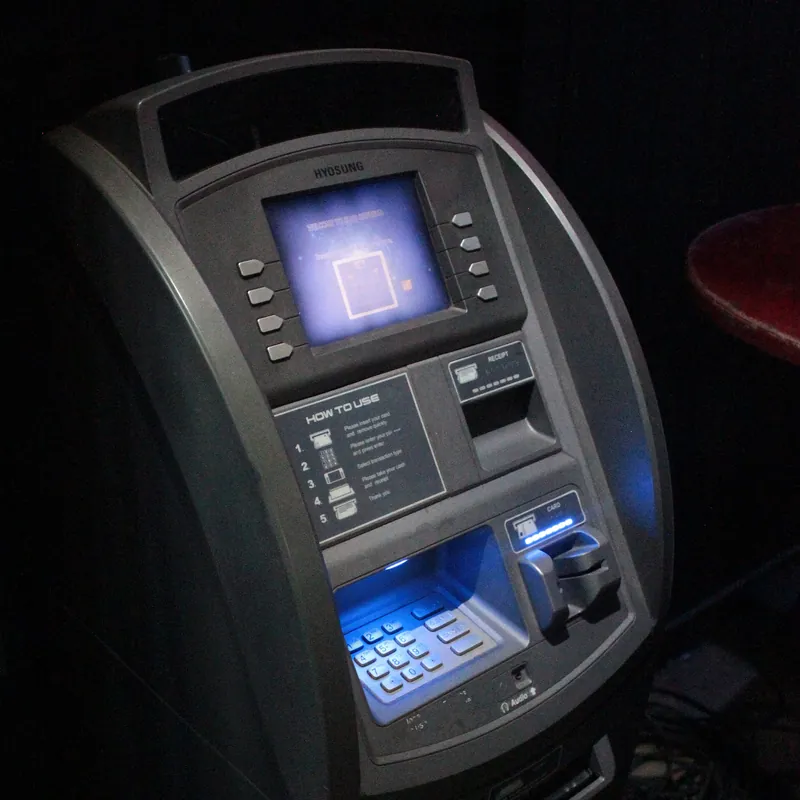
| New retail ATM | About $2,000-$3,000 | Common brands include Hyosung and Genmega |
| Refurbished ATM | Roughly $1,200-$1,800 | Check it is EMV-capable and supported |
| Vault cash | Often $2,000-$8,000 per machine | Your money, recycled as customers withdraw |
| Installation and bolting | Varies | Some sellers include it |
| Wireless modem or phone line | Small one-off cost plus monthly fee | Wireless is most common |
| Business set-up and insurance | Varies by state | LLC, licences, liability and cash insurance |
What you can realistically earn
Here is a simple worked example for one machine. These are illustrative numbers, not a promise; your surcharge, volume and contract terms will differ.
| Monthly figure | Amount | How it is worked out |
|---|---|---|
| Withdrawals | 150 | About five a day |
| Surcharge income | $450 | 150 × $3.00 |
| Interchange income | About $22 | 150 × $0.15 |
| Location share | −$112 | 150 × $0.75 to the shop owner |
| Processing and wireless | −$55 | Example monthly fees |
| Net before your time and fuel | About $305 | Per machine, per month |
My advice: judge every location by withdrawals per day, not by how busy it looks. A quiet bar where everyone pays cash can beat a busy supermarket where shoppers use cards. Some industry guides say a strong location doing six to eight withdrawals a day can pay back a machine in months; others put break-even at 18-36 months. Both can be true; it depends entirely on the site.
How to start an ATM business: step by step
Finding and signing locations
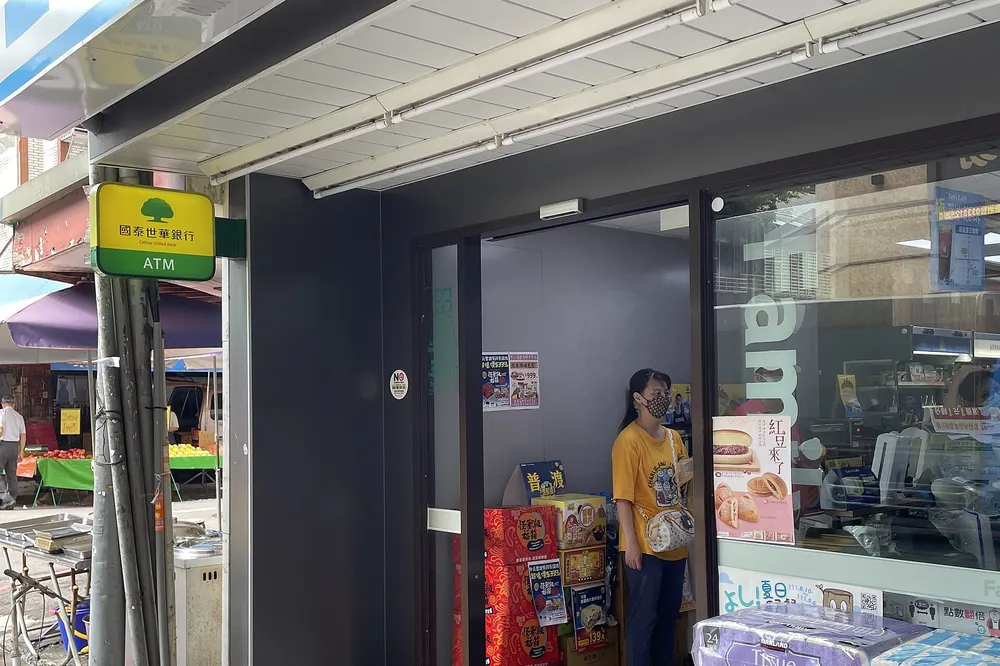
Most independent operators place their own machines in someone else’s premises and share the income. A placement agreement should cover:
| Term | What to agree |
|---|---|
| Revenue share | Per withdrawal, a percentage, or a flat monthly rent |
| Length | Often several years, with renewal terms |
| Exclusivity | No competing ATM on the premises |
| Access | When you can visit to load cash and service the machine |
| Power and placement | A visible spot near an outlet, ideally covered by the shop’s cameras |
| Ending the deal | Notice period and who removes the machine |
There are other models too. Some merchants buy their own ATM and keep all the surcharge; others want a full-service operator who supplies the machine and the cash. As a new operator, you can offer either, and some operators earn extra by servicing merchant-owned machines.
Choosing a processor
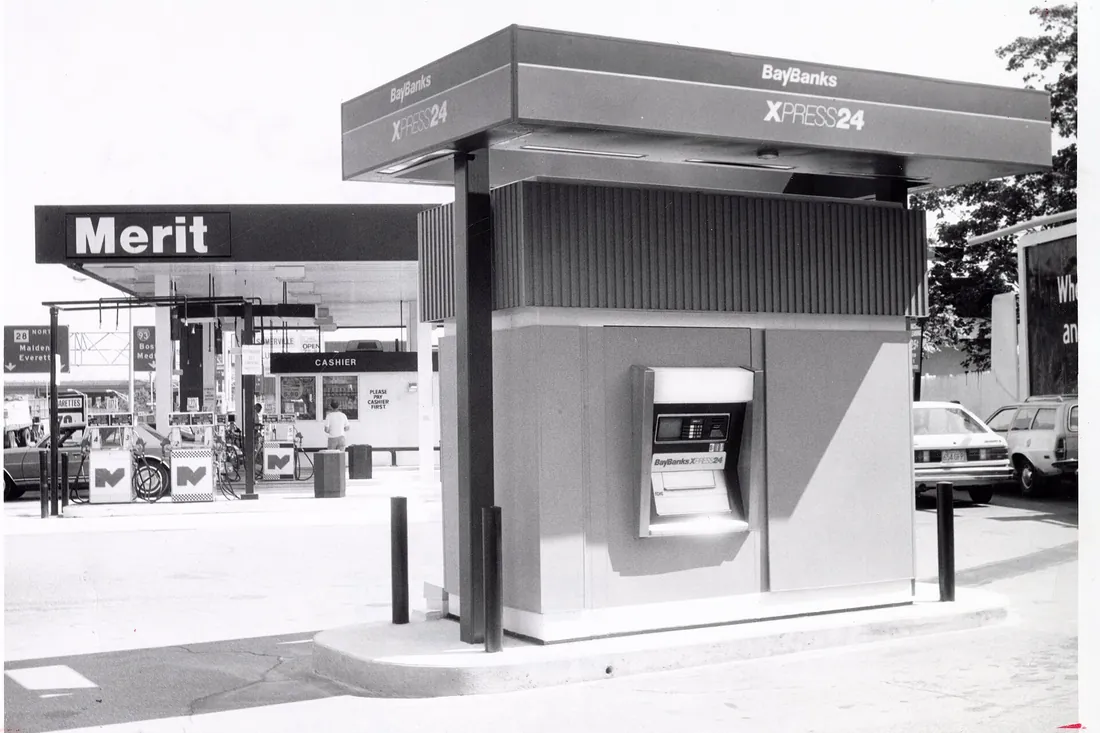
Your processor connects the ATM to the card networks, sends each transaction for authorisation, and deposits surcharge and interchange into your bank account, often weekly or daily by ACH. Our guide to how ATM processing works explains the full chain, and our ISO 8583 explainer covers the message format ATMs use behind the scenes.
| Ask the processor | Why it matters |
|---|---|
| Per-transaction and monthly fees | Directly cuts your profit |
| Payout frequency | Faster payouts mean less cash tied up |
| Networks supported | More networks, fewer declined cards |
| Online monitoring and alerts | Know when cash is low or the machine is down |
| Contract length and exit fees | Avoid being locked in |
Managing the cash
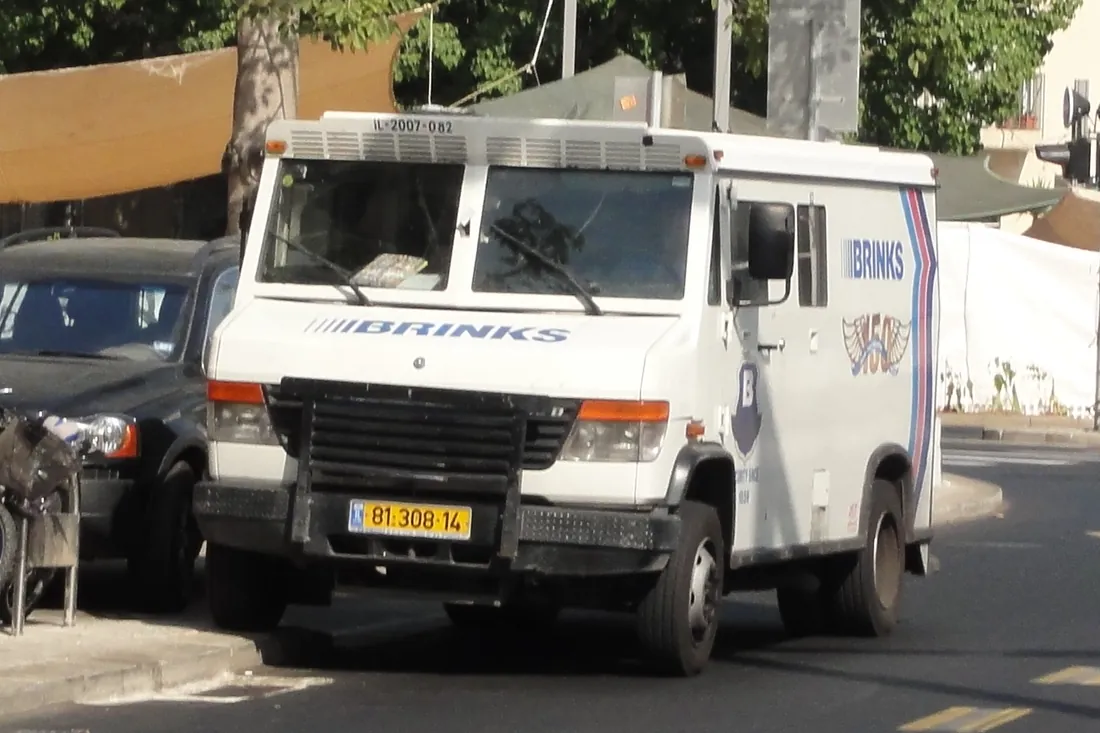
Cash is your biggest operating challenge. You can load it yourself (cheapest, but you carry the risk and spend the time) or pay a cash-in-transit company to do it (safer, but it costs money per visit). Load too little and the machine runs empty on a busy Friday night; load too much and your money sits idle. Your processor’s reports show withdrawal patterns, so you can plan loads around paydays, events and weekends.
Rules and compliance (US)
| Requirement | What it means for you |
|---|---|
| Surcharge disclosure | Under federal rules (Regulation E), the fee must be shown on screen before the customer commits |
| ADA accessibility | The 2010 ADA Standards set requirements such as reach ranges, tactile keypads and audio output |
| EMV chip readers | Since the 2016-2017 liability shift, non-EMV ATMs can be liable for counterfeit-card fraud |
| PCI security | Encrypting PIN pads and secure key management, usually handled with your processor |
| State and local rules | Business licences, sales tax and sometimes specific ATM rules; check your state |
Security and risks
- Theft and attacks. Machines can be broken into, ramming raids happen, and in some countries ATMs are blown up.
- Skimming. Criminals fit devices to steal card data; inspect machines regularly.
- Declining cash use. The Federal Reserve’s payment surveys show cash’s share of US payments has fallen sharply over the past decade.
- Losing a location. A shop closing or changing owners can wipe out a machine’s income overnight.
- Downtime. Every hour offline or empty is lost revenue.
Is an ATM business worth it?
| Pros | Cons |
|---|---|
| Simple model with low running costs | Hands-on: cash loading, faults, travel |
| Scales one machine at a time | Cash tied up in every machine |
| Customers pay the fees | Long-term decline in cash use |
| Works alongside another job at first | Profit depends almost entirely on location |
More business explainers: how ATM processing works, the ISO 8583 message format, machine shop cost estimating, configuration management in telecom.
Frequently asked questions
How much does it cost to start an ATM business?
Roughly $2,000-$3,000 for a new retail ATM (less refurbished), plus vault cash of a few thousand dollars per machine, set-up and insurance.
How much does an ATM make per month?
It depends on volume. At about 150 withdrawals a month with a $3 surcharge, a machine might net around $300 after location share and fees; busier sites earn more.
What is the average ATM surcharge?
Bankrate’s 2025 study put the average US ATM surcharge at $3.22, with a total out-of-network cost of $4.86 including the customer’s bank fee.
Do I need a licence to own an ATM?
You need the usual business registration, and some states have additional requirements. You also need a processing agreement; check your state’s rules.
Where are the best places to put an ATM?
Places where people need cash and have no nearby bank: bars, music venues, convenience stores, laundromats, salons, festivals and hotels.
How do I get paid from my ATM?
Your processor collects surcharge and interchange and deposits them into your business bank account, typically by ACH on a set schedule.
Who puts the cash in the ATM?
You do, or an armoured-car or cash-in-transit company you hire. You also supply the cash.
How many transactions does an ATM need to be profitable?
Many operators look for at least five or so withdrawals a day; strong locations do 10 or more.
Can I start an ATM business part-time?
Yes. Many operators start with one or two machines alongside a job, then grow.
Is the ATM business dying?
Cash use is declining, but many people still use cash in bars, small shops and events. Location choice is more important than ever.
Final thoughts
An ATM business is straightforward: buy a reliable machine, sign with a good processor, place it where people need cash, and manage your cash and uptime carefully. Start small, measure withdrawals per day at every site, and only expand once your first machines prove themselves.
Sources: Bankrate, 2025 Checking Account and ATM Fee Study (September 2025); ATM seller and industry guides for equipment and operating cost ranges; US Regulation E fee-disclosure rules; 2010 ADA Standards for Accessible Design; Visa and Mastercard EMV liability-shift announcements; Federal Reserve Diary of Consumer Payment Choice. Images: Wikimedia Commons, credited in each caption.