Short answer: salicylic acid is the better choice for blackheads, whiteheads and oily, congested skin, because it dissolves the plug of oil and dead skin inside the pore. Benzoyl peroxide is the better choice for red, swollen, pus-filled spots, because it kills the acne bacterium Cutibacterium acnes and calms inflammation. Most people with mixed acne do best using both: one in the morning, one at night.
In the US, over-the-counter products contain 0.5-2% salicylic acid or 2.5-10% benzoyl peroxide. Start low (2.5% benzoyl peroxide is often as effective as 10%), give any routine 6 to 8 weeks, and remember that benzoyl peroxide bleaches towels and pillowcases.
I will be honest with you: most “salicylic acid vs benzoyl peroxide” articles end with “it depends on your skin” and leave you exactly where you started. So this guide does it differently. First we look at what is actually happening inside a spot, because once you understand that, the choice almost makes itself. Then you will find a simple decision table, two ready-made routines, the mistakes that make people give up too early, and the safety points that rarely make it onto the label.
Salicylic acid vs benzoyl peroxide at a glance
| Salicylic acid | Benzoyl peroxide | |
|---|---|---|
| What it is | A beta hydroxy acid (BHA), oil-soluble | An antibacterial oxidising agent |
| Main job | Unclogs pores from the inside | Kills acne bacteria, calms inflammation |
| Best for | Blackheads, whiteheads, oily skin, rough texture | Red papules, pustules, body acne |
| US over-the-counter strength | 0.5-2% | 2.5-10% |
| Common side effects | Dryness, mild stinging, peeling | Dryness, redness, peeling, stinging |
| Special warning | Avoid if allergic to aspirin (salicylates) | Bleaches fabric and hair |
| Bacterial resistance | Not relevant (not an antibiotic) | Bacteria do not become resistant to it |
What is actually happening inside a spot
Every spot starts in the same place: a hair follicle, the tiny tube that holds a hair and is connected to a sebaceous gland, which makes your skin’s oil (sebum). Acne develops in four overlapping steps, and the two ingredients attack different steps.
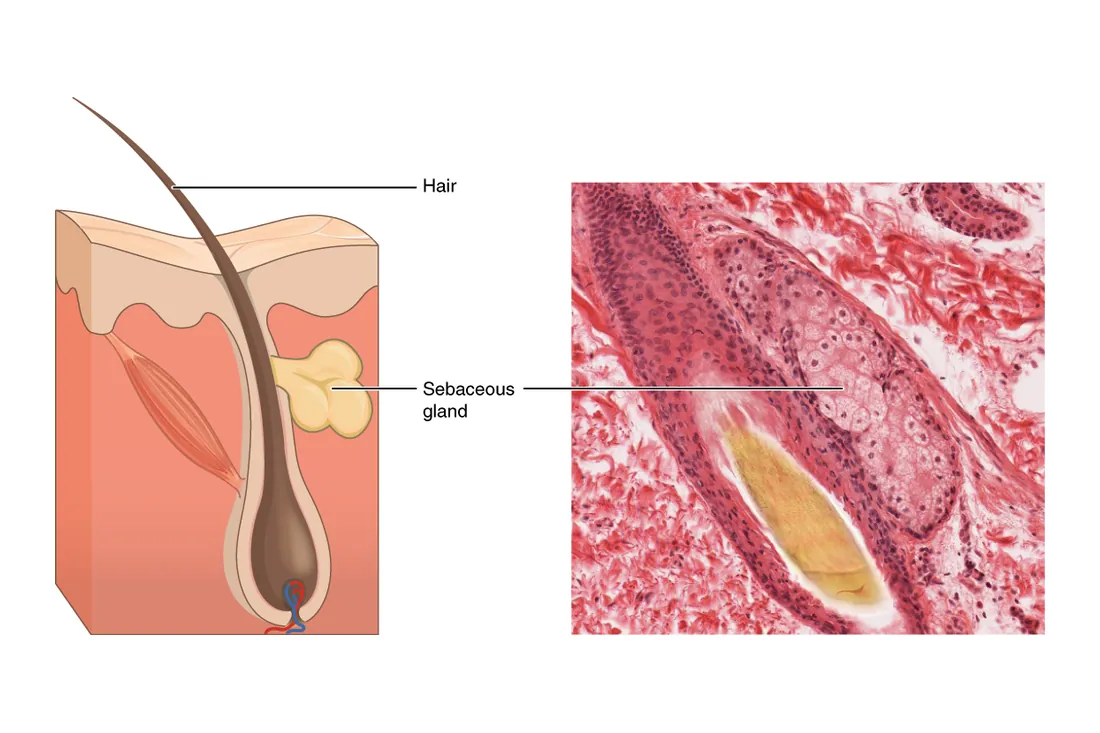
That is the whole story in one diagram. If most of your problem is at step 2 (plugs you can see as blackheads or feel as tiny bumps), you need salicylic acid. If most of your problem is at steps 3 and 4 (angry red spots), you need benzoyl peroxide. If you have both, and most people do, you use both.
Salicylic acid: the pore-clearer
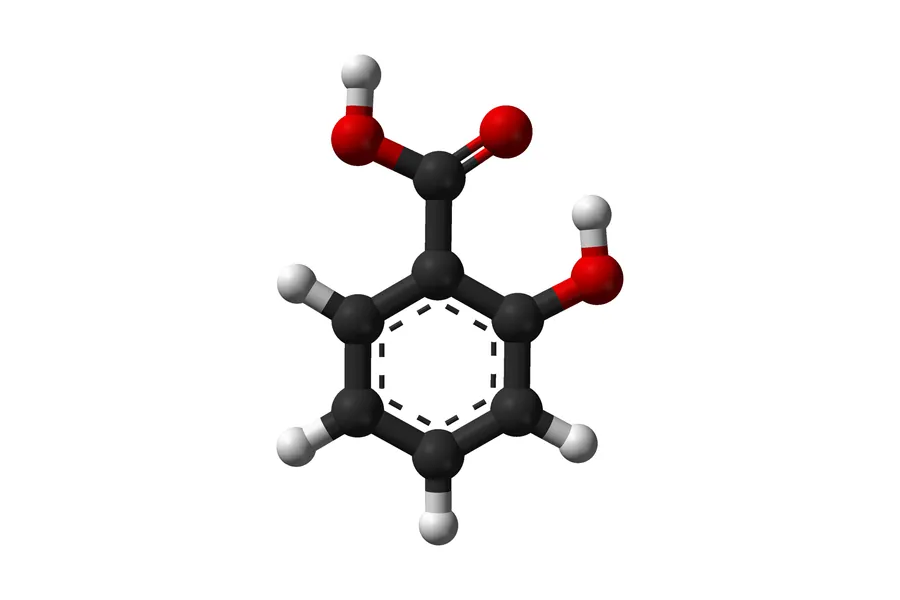
Salicylic acid is a beta hydroxy acid. Its superpower is that it is oil-soluble, which lets it slip into an oily pore and loosen the glue holding the plug together. It also has a mild anti-inflammatory effect, which is why it is sometimes kinder to sensitive, easily reddened skin than benzoyl peroxide.
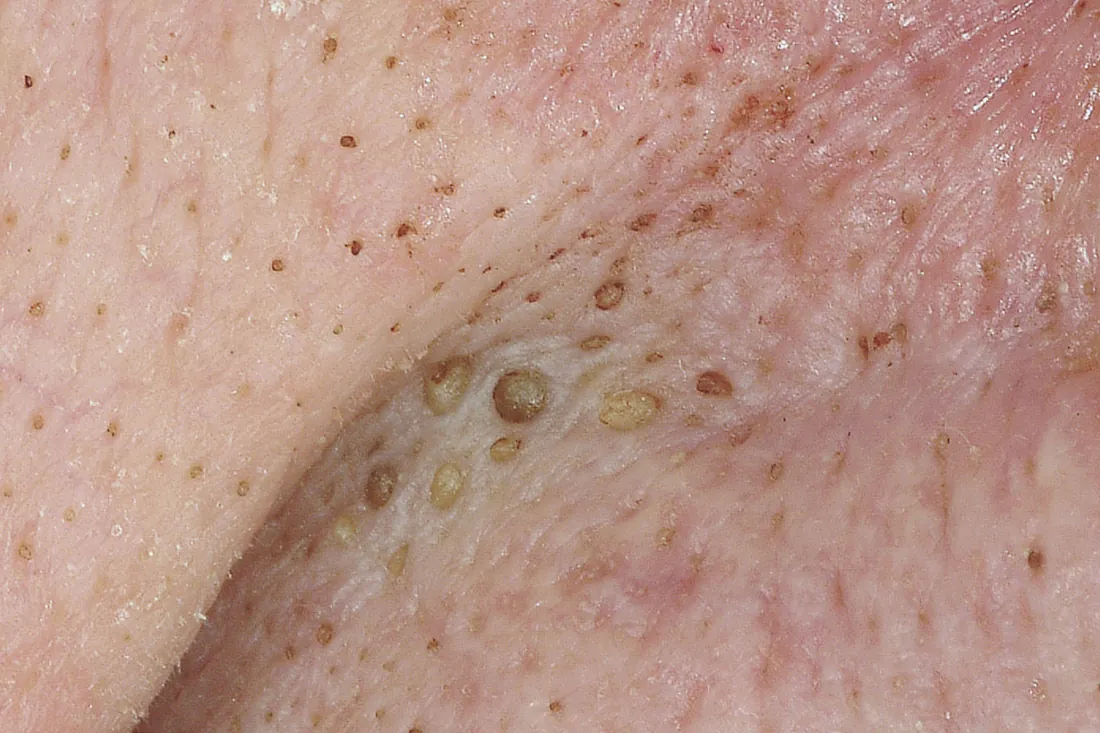
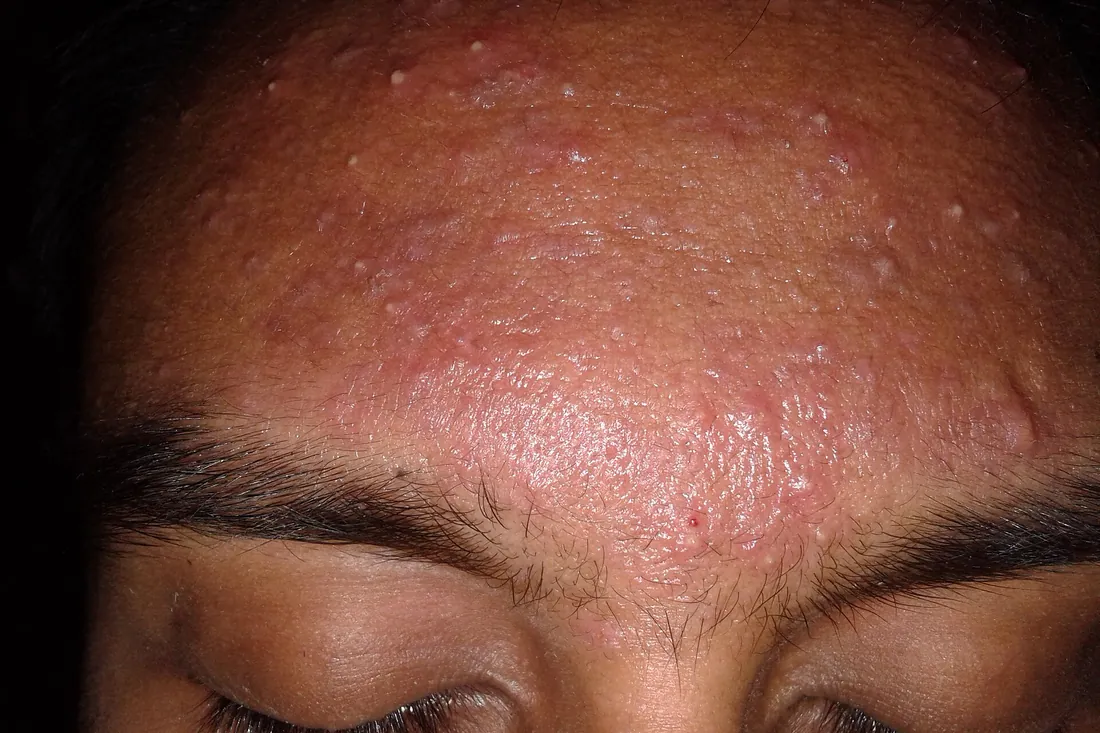
Open comedones are blackheads (the dark colour is oxidised oil and pigment, not dirt); closed comedones are whiteheads. Both respond well to salicylic acid used consistently. It will not do much for a single large, painful red spot, which is where people often decide it “doesn’t work”.
My advice: if you are new to it, start with a salicylic acid cleanser or a 2% leave-on product every other day. Our step-by-step guide to how to apply salicylic acid covers exactly how to build up without wrecking your skin barrier.
Benzoyl peroxide: the bacteria-fighter
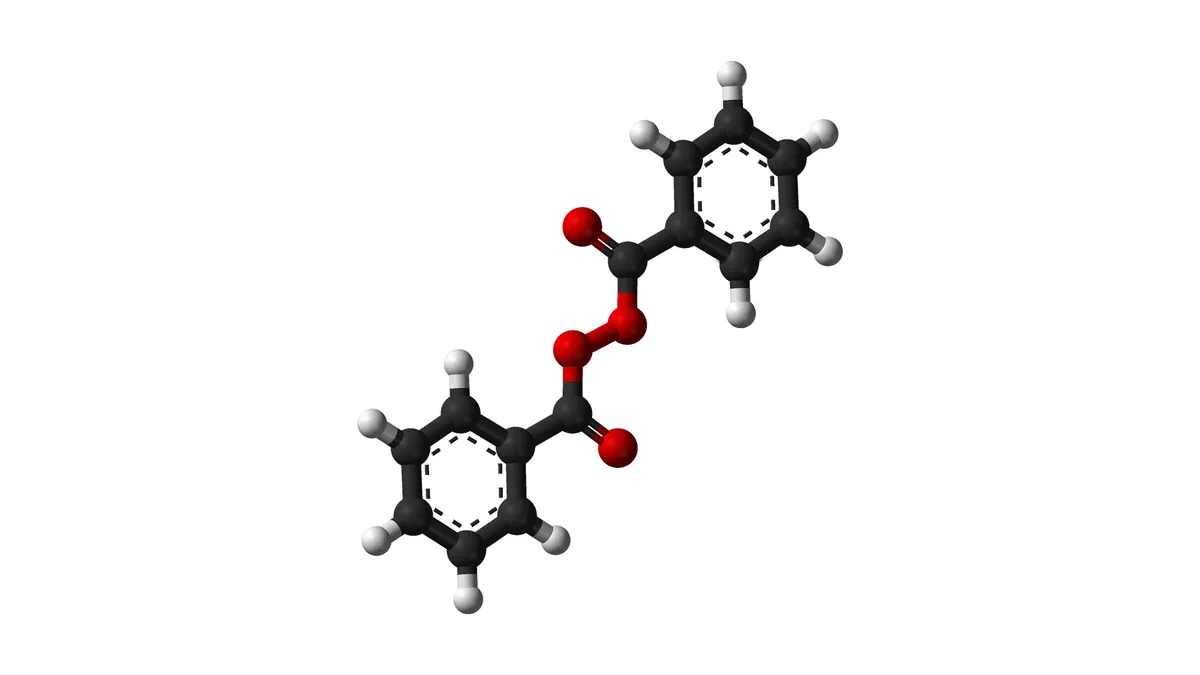
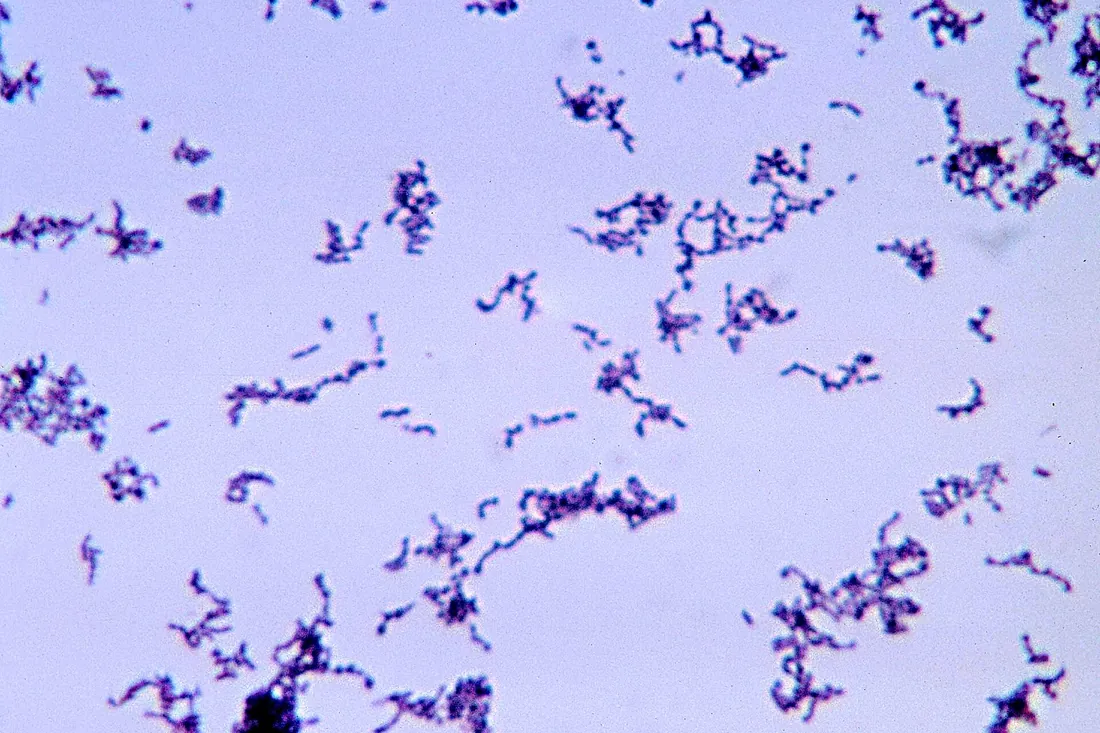
Benzoyl peroxide works differently. When it touches the skin it releases oxygen, and Cutibacterium acnes hates oxygen. It kills the bacteria quickly, reduces inflammation and has a mild peeling effect too. Crucially, bacteria do not develop resistance to it, which is why dermatologists add benzoyl peroxide whenever they prescribe antibiotic creams or tablets for acne.
The surprise for many people is strength. Higher is not automatically better: studies comparing 2.5%, 5% and 10% benzoyl peroxide have found the lower strengths work about as well for many people, with noticeably less dryness and peeling. Wash-off versions (cleansers and body washes) are gentler again, because they only stay on the skin for a minute or two.
Which one should you use? A decision table
| What you see in the mirror | Start with | Why |
|---|---|---|
| Mostly blackheads and small bumps | Salicylic acid | The problem is clogged pores, not bacteria |
| Red, sore, pus-filled spots | Benzoyl peroxide | Kills bacteria and calms inflammation |
| A mixture of both (most common) | Both, at different times | Each covers what the other misses |
| Acne on back, chest or shoulders | Benzoyl peroxide wash | Works well on the body; rinse and use white towels |
| Sensitive or easily irritated skin | Salicylic acid cleanser or 2.5% benzoyl peroxide wash | Short contact time, lower irritation |
| Oily skin with a few occasional spots | Salicylic acid all over + benzoyl peroxide spot treatment | Prevention plus targeted treatment |
Two routines you can start tonight
These are the routines I would suggest to a friend with typical mixed acne. Keep everything else simple: a gentle cleanser, a non-comedogenic moisturiser and sunscreen.
- Morning: salicylic acid cleanser (massage 30-60 seconds, rinse)
- Moisturiser
- Sunscreen SPF 30+
- Evening: gentle cleanser, pat dry
- Thin layer of 2.5% benzoyl peroxide on acne-prone areas
- Moisturiser
- Morning: gentle cleanser, moisturiser, sunscreen
- Evening: gentle cleanser, pat dry
- 2% salicylic acid toner or gel all over oily areas
- Wait 2 minutes
- Dab benzoyl peroxide only on red spots
- Moisturiser
Either way, start every other day for the first two weeks, then build up. If your skin becomes tight, flaky or stings for more than a few minutes, drop back a step rather than giving up.
What to expect, week by week
- Week 1-2Some dryness or mild peeling as your skin adjusts. A few spots may still appear; that is normal.
- Week 3-4Blackheads start to soften; inflamed spots heal a little faster.
- Week 6-8This is the point to judge results. Most people see clearly fewer spots by now.
- Week 12If you are not much better by now, it is time to see a doctor about stronger options.
The American Academy of Dermatology advises giving acne treatments several weeks before deciding they have failed. Swapping products every few days is the most common reason people think “nothing works”.
How to read the label when you are shopping
In the US, acne products are regulated as over-the-counter drugs, so the important information is in the Drug Facts box on the back, not in the marketing on the front. Here is what to look for.
| On the label | What it tells you | What to choose |
|---|---|---|
| Active ingredient | Salicylic acid or benzoyl peroxide, with a percentage | One active at a time when you are starting out |
| Strength | Salicylic acid 0.5-2%; benzoyl peroxide 2.5-10% | 2% salicylic acid or 2.5% benzoyl peroxide to begin |
| Product type | Cleanser, toner, gel, cream, spot treatment, body wash | Cleanser if sensitive; gel or toner if oily |
| “Non-comedogenic” | Formulated not to clog pores | Look for it on moisturisers and sunscreens too |
| Directions | How often to use it | Start with the lowest frequency listed |
| Expiry date | Especially important for benzoyl peroxide | Replace products past their date |
Body acne: back, chest and shoulders
Acne on the back and chest behaves like facial acne but the skin is thicker and harder to reach, so the routine is a little different. A benzoyl peroxide body wash (often 4-10%) is the usual first step: lather it on in the shower, leave it for a minute or two so it has time to work, then rinse. On alternate days, or on top of that, a salicylic acid body spray or wash helps with clogged pores.
- Shower soon after exercise and change out of sweaty clothes quickly.
- Wear loose, breathable fabrics over affected areas.
- Use white towels and sheets if you use benzoyl peroxide.
- If body acne is deep or leaves scars, see a doctor; it often needs prescription treatment.
Dark marks after spots (and darker skin tones)
On medium and darker skin tones, the bigger long-term worry is often not the spot itself but the dark mark it leaves behind (post-inflammatory hyperpigmentation), which can take months to fade. Two things help most: controlling inflammation early, and protecting the skin from the sun, which darkens marks. Both ingredients help prevent new spots, but irritation from over-use can itself trigger dark marks, so a gentle, consistent routine and daily sunscreen matter even more. A dermatologist can suggest treatments such as azelaic acid or prescription retinoids for marks that persist.
Benzoyl peroxide safety: what the label won’t tell you
- It bleaches fabric. Towels, pillowcases, T-shirts and even hair can be permanently lightened. Use white towels and bedding and let it dry before bed.
- Store it properly. In 2025 the FDA reported finding elevated levels of benzene in a small number of benzoyl peroxide acne products, and some were recalled. Keep products somewhere cool, cap them tightly and replace them by the expiry date.
- Patch test. The FDA advises applying a small amount to a small area for a few days before using any new acne product all over.
- Rare allergic reactions. Stop immediately and get help if you develop hives, swelling of the face, eyes or lips, throat tightness or trouble breathing.
Salicylic acid safety
- Avoid it if you are allergic to aspirin or other salicylates.
- Do not apply high-strength salicylic acid to large areas of the body.
- If you are pregnant or breastfeeding, ask your doctor or midwife first.
Mistakes that make people give up too early
- Going straight to 10% benzoyl peroxide. More irritation, often no better results.
- Layering both at full strength in one go. Split them by time of day instead.
- Skipping moisturiser because your skin is oily. Dry, irritated skin heals worse.
- Judging after a week. Wait six to eight weeks.
- Spot-treating only. Salicylic acid works best on the whole area where you break out, to stop new plugs forming.
- Picking spots. It spreads inflammation and causes scars no product can undo.
When over-the-counter products are not enough
If you have used a sensible routine for 8-12 weeks without real improvement, or your acne is deep, painful or scarring, a doctor can offer much more. Options include adapalene (a retinoid sold over the counter in the US at 0.1% since 2016), prescription retinoids such as tretinoin, antibiotic creams combined with benzoyl peroxide, oral antibiotics for a limited time, hormonal treatments for some women, and isotretinoin for severe acne.
Building a fuller routine? See our guides to using niacinamide with salicylic acid, glycolic vs salicylic acid, retinol for beginners.
Frequently asked questions
Is salicylic acid or benzoyl peroxide better for acne?
Salicylic acid is better for blackheads, whiteheads and clogged pores; benzoyl peroxide is better for red, inflamed spots. Many people get the best results using both at different times of day.
Can I use salicylic acid and benzoyl peroxide together?
Yes. To avoid irritation, use one in the morning and one at night, or use salicylic acid all over and benzoyl peroxide only on spots.
Which is better for blackheads?
Salicylic acid. It is oil-soluble and loosens the plug that forms a blackhead.
Which is better for cystic or hormonal acne?
Benzoyl peroxide may help inflamed spots, but deep, cystic or persistent hormonal acne usually needs prescription treatment from a doctor.
What strength of benzoyl peroxide should I use?
Start with 2.5%. Studies have found it works about as well as higher strengths for many people, with less irritation.
Does benzoyl peroxide bleach towels and clothes?
Yes, permanently. Use white towels and pillowcases and let the product dry fully before contact with fabric.
How long does it take for salicylic acid or benzoyl peroxide to work?
Give either six to eight weeks of consistent use before judging results.
Is benzoyl peroxide safe?
It is a long-established, FDA-recognised acne treatment. Patch test first, store products cool and replace them by their expiry date, and stop if you have signs of an allergic reaction.
Can I use salicylic acid if I am allergic to aspirin?
Talk to a pharmacist or doctor first; salicylic acid is related to aspirin.
Should I use a cleanser or a leave-on product?
Cleansers are gentler because of short contact time; leave-on gels and serums are stronger. Beginners and sensitive skin often do best starting with a cleanser.
Final thoughts
Think of salicylic acid as the pore-clearer and benzoyl peroxide as the bacteria-fighter. Look at what is really on your skin, pick the ingredient that matches that stage of acne, start gently, and give it two months. And if your acne is hurting you physically or emotionally, see a doctor sooner rather than later: effective treatment exists.
Sources: US FDA, 21 CFR 333.310 (over-the-counter acne active ingredients and strengths); FDA Drug Safety Communication on hypersensitivity reactions with OTC acne products (2014); FDA updates on benzene in benzoyl peroxide products (2025); FDA approval of adapalene 0.1% for OTC use (2016); American Academy of Dermatology acne guidance. Images: Wikimedia Commons, credited in each caption.