Short answer: to start retinol, choose a low strength (about 0.1-0.3%), apply a pea-sized amount at night to clean, completely dry skin two or three nights a week, follow with moisturiser, and wear sunscreen every morning. Over six to eight weeks, build up to every other night and then nightly if your skin is comfortable.
Expect some dryness, flaking or a few extra spots in the first 2-6 weeks (the “retinisation” phase). Real results take 8-12 weeks for texture and breakouts and longer for fine lines. Do not use retinoids if you are pregnant, trying to conceive or breastfeeding.
I will be honest with you: retinol is one of the few skincare ingredients with decades of real science behind it, and also the one people most often quit too early. They buy a strong product, use it every night, wake up red and flaky after a week, and decide their skin “can’t take retinol”. Almost everyone can, with the right strength and pace. This guide gives you exactly that pace, week by week, plus what to pair it with, what to avoid, and what is normal along the way.
What retinol is: vitamin A for your skin
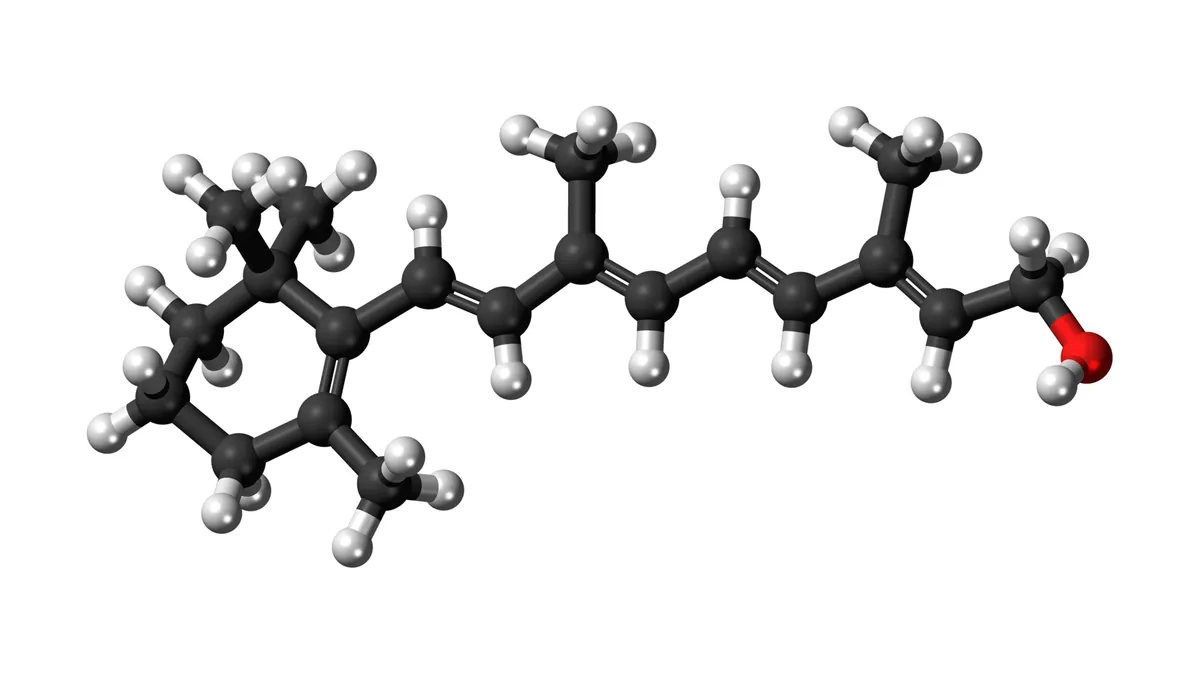
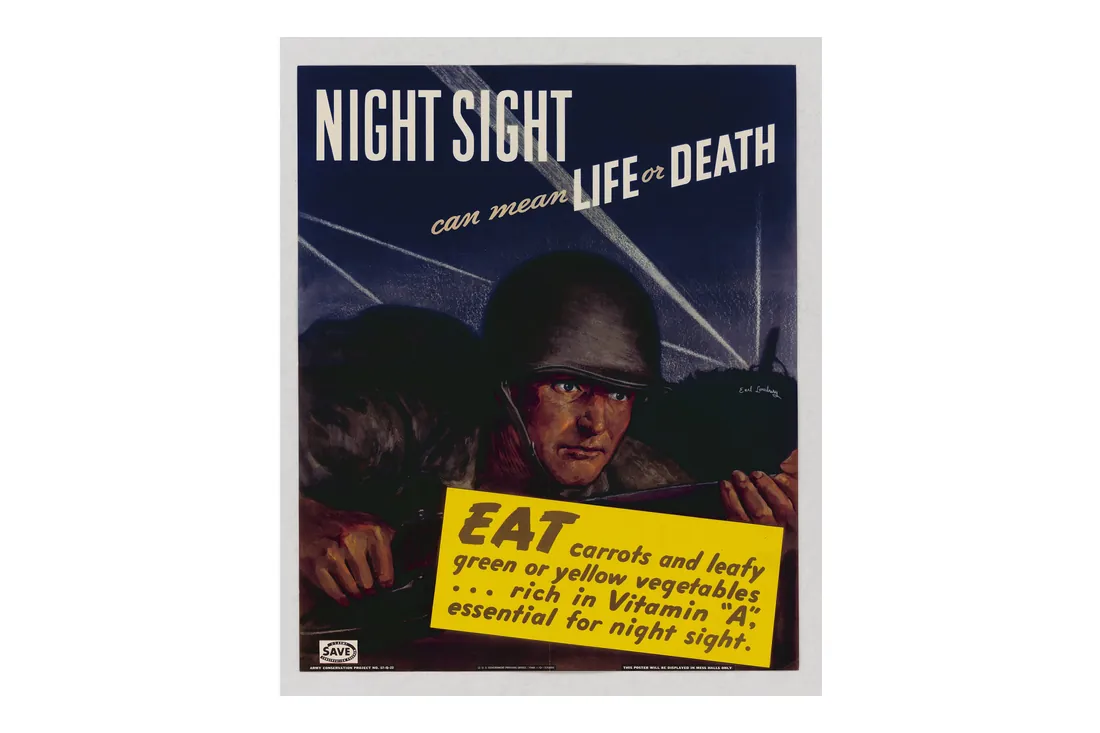
Retinol is a form of vitamin A, the same vitamin your body makes from the beta-carotene in carrots and other orange and green vegetables. Vitamin A is essential for eyesight, immunity and healthy skin, which is why diets low in it cause dry, rough skin as well as poor night vision.
Applied to the skin, retinol is converted in two steps (retinol to retinaldehyde to retinoic acid). Retinoic acid is the active form: it switches on genes that speed up cell turnover, keep pores from clogging and stimulate the production of collagen, the protein that keeps skin firm.
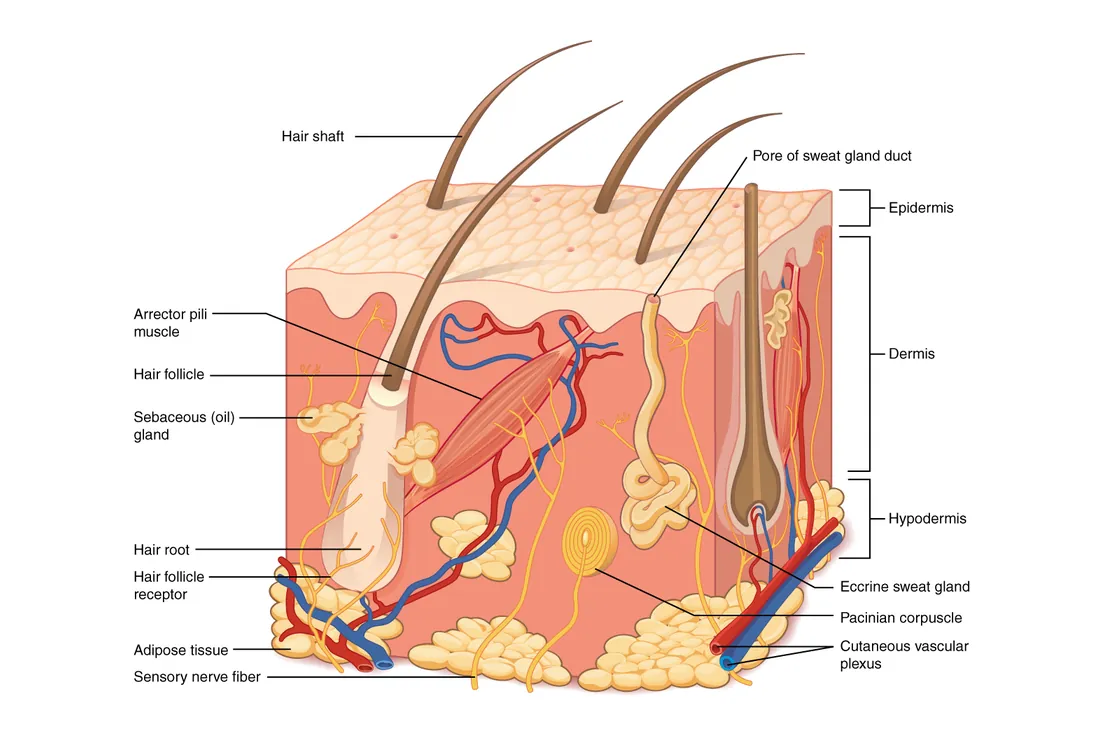
The retinoid family: where retinol fits
| Retinoid | Strength | How you get it |
|---|---|---|
| Retinyl esters (e.g. retinyl palmitate) | Mildest | Over the counter |
| Retinol | Moderate | Over the counter |
| Retinaldehyde (retinal) | Stronger (one step closer to retinoic acid) | Over the counter |
| Adapalene 0.1% | Strong; designed for acne | Over the counter in the US since 2016 |
| Tretinoin | Strongest topical (retinoic acid itself) | Prescription; approved for acne in 1971 |
| Tazarotene | Very strong | Prescription |
Retinol’s place in the middle is exactly why it is the right starting point for most people: strong enough to work, gentle enough to tolerate. Tretinoin, first approved by the FDA for acne in 1971 and later for sun-damaged skin, is considerably more potent and is the next step if retinol isn’t enough.
How to apply retinol: step by step
A week-by-week schedule for beginners
| Weeks | How often | What to watch for |
|---|---|---|
| 1-2 | 2 nights a week (e.g. Monday and Thursday) | Mild tightness or dryness is normal |
| 3-4 | 3 nights a week | Some flaking is normal; redness that lingers means slow down |
| 5-8 | Every other night | If your skin is comfortable |
| 9-12 | Nightly, if tolerated | Texture and breakouts should be improving |
| 3+ months | Consider a higher strength | Only if your skin has been comfortable for weeks |
- Gentle cleanser
- Pat dry and wait
- Pea-sized retinol
- Moisturiser
- Gentle cleanser
- Hydrating serum (e.g. hyaluronic acid or niacinamide)
- Moisturiser
- Gentle cleanse or water rinse
- Optional vitamin C or niacinamide
- Moisturiser
- SPF 30+
What to expect: the retinisation phase
- Week 1-2Skin may feel tight or slightly dry. Some people notice nothing at all.
- Week 2-6Peak “retinisation”: flaking, mild redness and sometimes a few extra spots as turnover speeds up.
- Week 6-12Irritation settles; skin looks smoother, pores clearer and breakouts fewer.
- Month 3-6+Gradual improvement in fine lines, uneven tone and firmness.
My advice: if the retinisation phase is uncomfortable, do not stop completely. Drop back one step on the schedule, use the sandwich method, and keep going. Burning, swelling, a rash or cracked skin is different; that means stop and seek advice.
Sunscreen: the step that makes retinol worth it
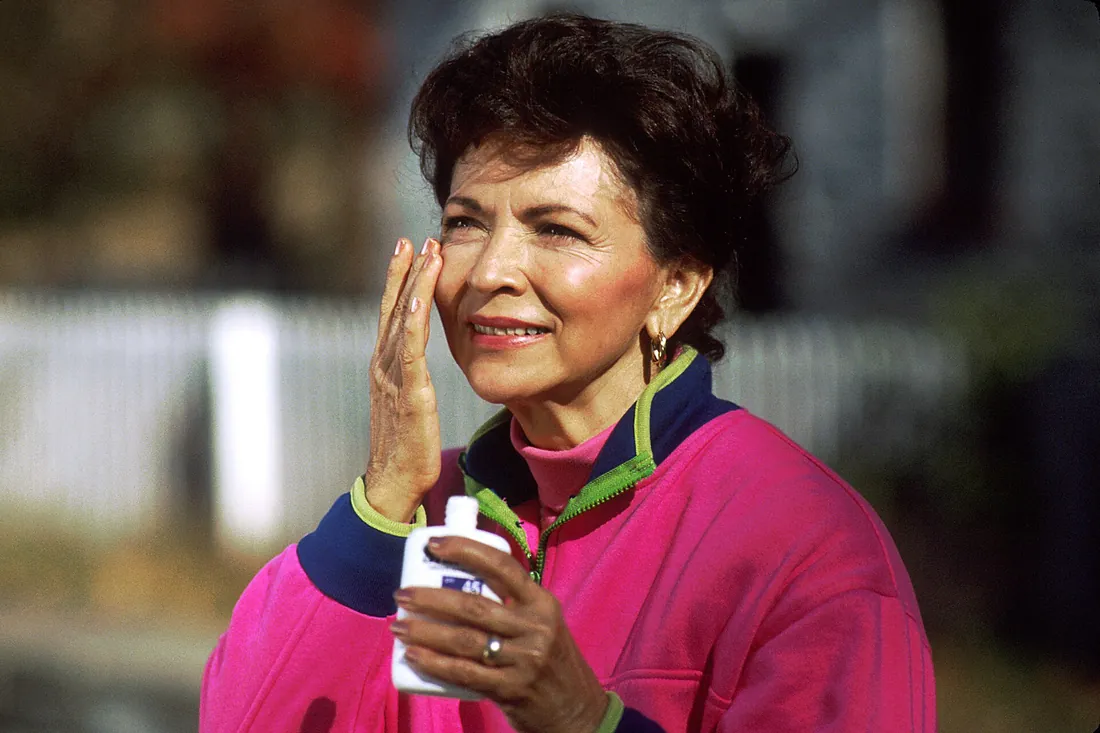
Retinol thins the outer layer of dead cells, so your skin can burn more easily, and the sun is also the biggest cause of the very wrinkles and dark spots retinol helps with. Using retinol without daily sunscreen is like mopping the floor with the tap running. Use a broad-spectrum SPF 30 or higher every morning, and reapply when you are outdoors for long periods.
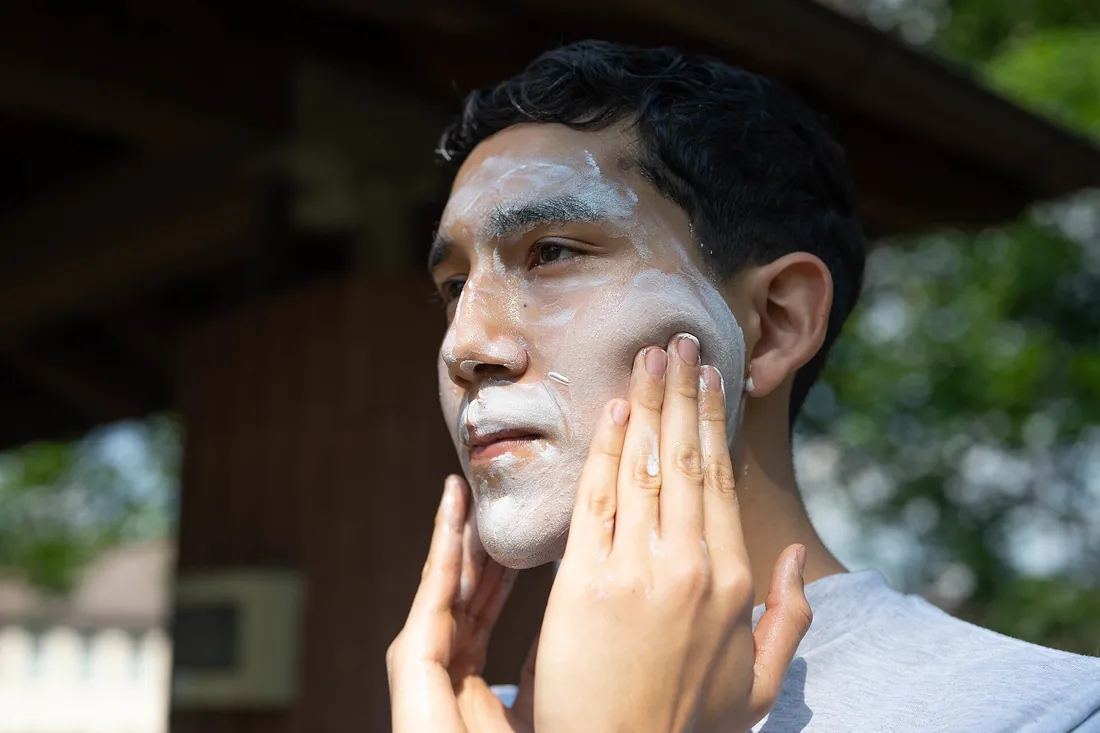
What to combine with retinol, and what to keep apart
| Ingredient | With retinol? | How |
|---|---|---|
| Moisturiser, ceramides, hyaluronic acid | Yes | Soothe and support the skin barrier |
| Niacinamide | Yes | A great partner; may reduce irritation |
| Vitamin C | Yes, at different times | Vitamin C in the morning, retinol at night |
| Exfoliating acids (AHA, BHA) | Not on the same night at first | Alternate nights once your skin has adjusted |
| Benzoyl peroxide | With care | Different nights or times; some older formulas can degrade tretinoin |
| Scrubs, peels, waxing | Avoid | Stop retinol several days before waxing or procedures |
More on the ingredients above: using niacinamide with salicylic acid, salicylic acid vs benzoyl peroxide, glycolic vs salicylic acid, how to apply salicylic acid.
Can you get vitamin A from food instead?

Eating enough vitamin A matters for healthy skin, but extra dietary vitamin A will not act like a retinol cream, and high-dose vitamin A supplements can be harmful. Get your vitamin A from a varied diet and use topical retinol for its targeted effects.
Who should not use retinol
- Pregnant people, anyone trying to conceive, and breastfeeding mothers: avoid retinoids. Oral isotretinoin is known to cause birth defects, and topical retinoids are avoided as a precaution.
- People with eczema or active rosacea: ask a dermatologist first.
- Anyone with sunburned, broken or freshly treated skin: wait until it has healed.
- If you are starting prescription acne treatment: follow your doctor’s plan rather than adding retinol on top.
Common beginner mistakes
- Starting with a high strength every night.
- Using too much (a pea-sized amount covers the whole face).
- Applying it to damp skin.
- Layering it with acids and scrubs.
- Skipping moisturiser and sunscreen.
- Stopping during the retinisation phase instead of slowing down.
- Expecting results in two weeks.
Frequently asked questions
How often should a beginner use retinol?
Two or three nights a week to start, building to every other night and then nightly over six to eight weeks if your skin tolerates it.
What strength of retinol should I start with?
About 0.1-0.3% is a sensible beginner range. Move up only after months of comfortable use.
Do I put retinol on before or after moisturiser?
Usually after cleansing and before moisturiser. Sensitive skin can use the sandwich method: moisturiser, retinol, then moisturiser again.
Can I use retinol in the morning?
It is best used at night because sunlight breaks it down. Always wear sunscreen in the morning while using retinol.
How long does retinol take to work?
Many people see smoother skin and fewer breakouts after 8-12 weeks; fine lines and pigmentation take several months.
Is peeling normal with retinol?
Mild flaking in the first few weeks is normal. Burning, swelling, a rash or cracked skin is not; stop and seek advice.
Can I use retinol with vitamin C?
Yes. Use vitamin C in the morning and retinol at night.
Can I use retinol and salicylic acid together?
Yes, but on alternate nights at first to avoid irritation.
Can I use retinol while pregnant?
No. Avoid retinoids during pregnancy, when trying to conceive and while breastfeeding. Ask your doctor about safe alternatives.
What is the difference between retinol and tretinoin?
Tretinoin is retinoic acid, the active form, and is prescription-only and much stronger. Retinol must be converted in the skin and is gentler.
Final thoughts
Retinol rewards patience more than any other skincare ingredient. Start low and slow, use a pea-sized amount at night, moisturise, wear sunscreen every single morning, and give it three months. If you want stronger results, or your skin is struggling, a dermatologist can guide you to the right prescription retinoid.
Sources: American Academy of Dermatology guidance on retinoids and retinol; US FDA approvals of tretinoin (acne, 1971; photoaging) and adapalene 0.1% for OTC use (2016); published dermatology research on retinoid conversion and collagen. Images: Wikimedia Commons, credited in each caption.