Short answer: yes, you can use niacinamide with salicylic acid, and for oily or acne-prone skin they are one of the best pairings in skincare. Salicylic acid clears clogged pores; niacinamide helps control oil, calms redness and strengthens the skin barrier, which offsets some of salicylic acid’s dryness.
Apply salicylic acid first on clean, dry skin, then niacinamide, then moisturiser, plus sunscreen in the morning. If your skin is sensitive, split them: niacinamide in the morning, salicylic acid at night. Choose niacinamide at around 2-5%; that is the range most of the research uses.
I will be honest with you: a lot of advice about combining skincare ingredients is built on myths that started in a lab beaker decades ago and never died. Niacinamide and salicylic acid get caught up in one of those myths (the “pH problem”). In real-world use they are complementary, widely recommended together, and particularly good for the oily, breakout-prone, slightly red skin that so many people have. Here is what each one does, the evidence behind it, how to layer them, and when to be careful.
Niacinamide and salicylic acid at a glance
| Salicylic acid | Niacinamide | |
|---|---|---|
| Type | Beta hydroxy acid (BHA), oil-soluble exfoliant | Vitamin B3 (nicotinamide) |
| Main job | Unclogs pores, smooths texture | Oil control, barrier support, calms redness, evens tone |
| Best for | Blackheads, whiteheads, oily skin | Oily, acne-prone, red or uneven skin |
| Typical strength | 0.5-2% (US over-the-counter) | 2-5% in most evidence; up to 10% in some serums |
| Tolerance | Can dry or sting | One of the best-tolerated actives |
| When | Morning or night | Morning or night |
What niacinamide is: a vitamin with a remarkable history
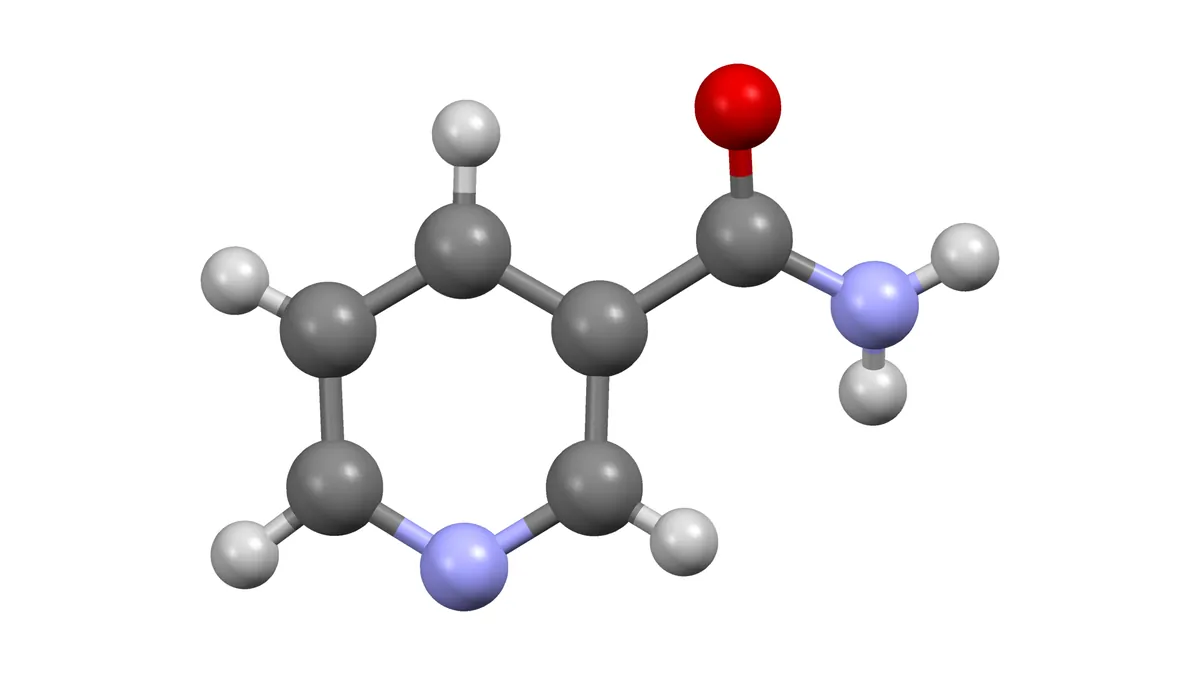
Niacinamide (also called nicotinamide) is a form of vitamin B3. Its story starts with a disease. In the early twentieth century, pellagra, remembered by the “four Ds” of dermatitis, diarrhoea, dementia and death, killed thousands of people a year in the American South. Many doctors believed it was infectious.

Dr Joseph Goldberger proved otherwise, showing that pellagra came from a diet lacking something found in meat, milk and fresh food. In 1937 the biochemist Conrad Elvehjem identified that “something” as nicotinic acid, now called niacin. Pellagra’s cracked, darkened skin was an early clue to how important vitamin B3 is for skin; today niacinamide is applied directly to the skin for very different, cosmetic reasons.
What the research says niacinamide can do
| Benefit | What studies found | Strength used |
|---|---|---|
| Acne | A 4% niacinamide gel performed comparably to 1% clindamycin (an antibiotic gel) for moderate inflammatory acne in an 8-week trial | 4% |
| Oiliness | Reduced the rate of sebum (oil) production on the face | 2% |
| Uneven tone | Reduced the appearance of hyperpigmentation over several weeks | 2-5% |
| Skin barrier | Increased production of ceramides, the fats that hold the skin barrier together | Various |
| Redness | Calmed redness linked to a weakened barrier | 2-5% |
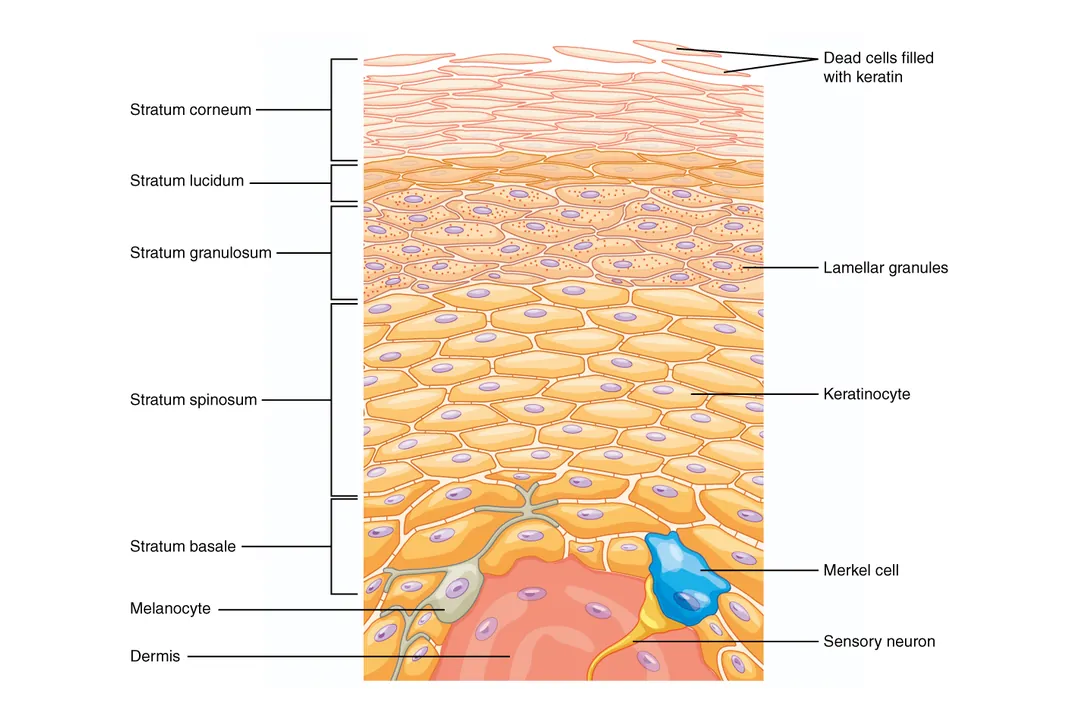
That barrier effect is the key to why niacinamide pairs so well with salicylic acid. Exfoliants, used enthusiastically, can thin and irritate the barrier. Niacinamide helps rebuild it, so you get the clearing effect of the acid with less of the tightness and flaking.
What salicylic acid adds
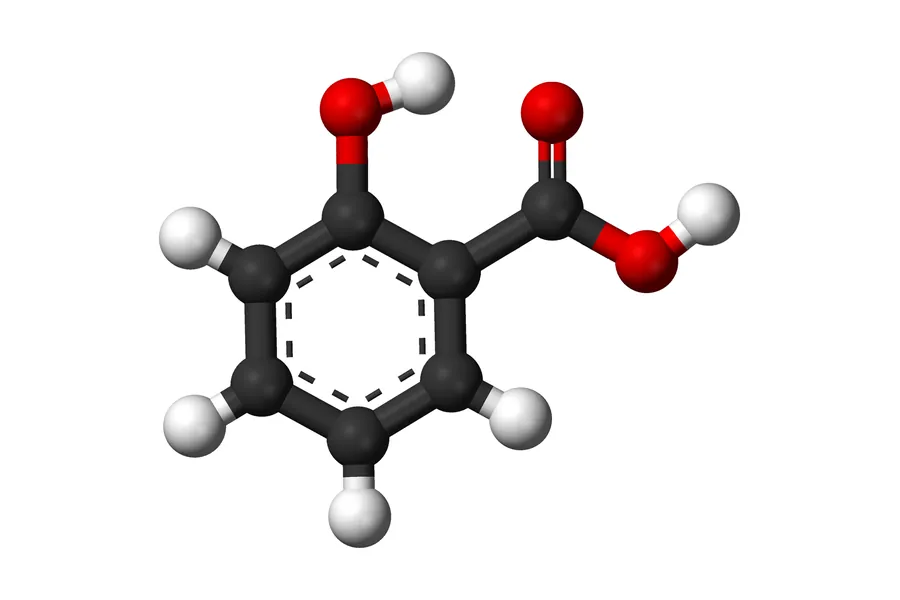
Salicylic acid is a beta hydroxy acid that dissolves in oil, so it reaches inside pores and loosens the plugs of sebum and dead skin that become blackheads and whiteheads. Niacinamide cannot do that job. Together they cover both sides of oily, breakout-prone skin: unclogging (salicylic acid) and calming and balancing (niacinamide). If you have not used it before, read our guide to how to apply salicylic acid first.

How to layer niacinamide and salicylic acid
The general rule in skincare is to apply products from thinnest to thickest, and actives before moisturiser. Salicylic acid usually comes first because it needs direct contact with clean skin and pores.
Two routines to choose from
- Morning: cleanse, niacinamide, moisturiser, SPF
- Evening: cleanse, salicylic acid, wait, niacinamide, moisturiser
- Morning: cleanse, niacinamide, moisturiser, SPF
- Evening: cleanse, salicylic acid (every other night at first), moisturiser
My advice: start salicylic acid three nights a week for the first two weeks, and use niacinamide daily from the start. Most people can then move to nightly salicylic acid without trouble.
Choosing your products
You do not need an expensive routine. Look for these features on the label:
| Product | Look for | Avoid |
|---|---|---|
| Salicylic acid | 0.5-2% in a cleanser, toner or lightweight gel; “non-comedogenic” | Heavy fragrance; stacking several acid products |
| Niacinamide | A serum at 2-5%, simple formula | Assuming 10-20% works better; it often just irritates |
| Combination products | A single serum with both, at modest strengths, if you want a short routine | Using it on top of separate SA and niacinamide products |
| Moisturiser | Lightweight, non-comedogenic, ideally with ceramides | Thick occlusive creams on very oily skin |
| Sunscreen | Broad spectrum SPF 30+, non-comedogenic | Skipping it on cloudy days |
Niacinamide with other ingredients
Because it is so well tolerated, niacinamide is the “team player” of skincare. Here is how it gets on with the other ingredients you might already be using.
| Ingredient | With niacinamide? | Tip |
|---|---|---|
| Salicylic acid (BHA) | Yes | Acid first, then niacinamide |
| Glycolic or lactic acid (AHA) | Yes | Use on different nights from salicylic acid |
| Retinol or retinoids | Yes, a classic pairing | Niacinamide can reduce retinoid irritation |
| Benzoyl peroxide | Yes | Use benzoyl peroxide and salicylic acid at different times |
| Vitamin C | Yes | The old “flushing” warning does not apply in normal use |
| Zinc | Yes, often combined | Common in oil-control serums |
| Hyaluronic acid, ceramides | Yes | Good for barrier support alongside acids |
Adjusting for your skin type
| Skin type | Salicylic acid | Niacinamide |
|---|---|---|
| Very oily, acne-prone | Daily, leave-on 2% on oily zones | Daily, morning and night |
| Combination | Only on the T-zone | All over |
| Dry but breakout-prone | Cleanser or 2-3 nights a week | Daily; prioritise moisturiser |
| Sensitive or red | Rinse-off cleanser, a few times a week | Daily at 2-4% |
If you also break out on your back or chest, a salicylic acid body wash used in the shower, followed by a light niacinamide body lotion, follows the same logic as the face routine.
The pH myth, explained
You will read that salicylic acid needs a low pH to work while niacinamide prefers a near-neutral one, so using them together “cancels them out”. It is an understandable worry, but in practice it is overstated: products are formulated to work on the skin, the skin rebalances its own surface pH quickly after you apply something, and dermatologists routinely recommend this combination. If you want to be extra careful, leave a minute or two between layers, or use them at different times of day; either approach removes any doubt.
The same goes for the old warning about niacinamide and vitamin C turning into flushing-causing niacin. That reaction was seen in heated laboratory conditions; at room temperature on the skin it is not a practical concern.
What to expect, week by week
- Week 1-2Skin may feel slightly drier from the salicylic acid; niacinamide often makes it feel calmer.
- Week 4Less shine during the day; blackheads begin to soften.
- Week 8The point to judge results: fewer breakouts, smaller-looking pores, more even tone.
- Week 12+Improvements in dark marks continue gradually with sunscreen.
Who should be careful
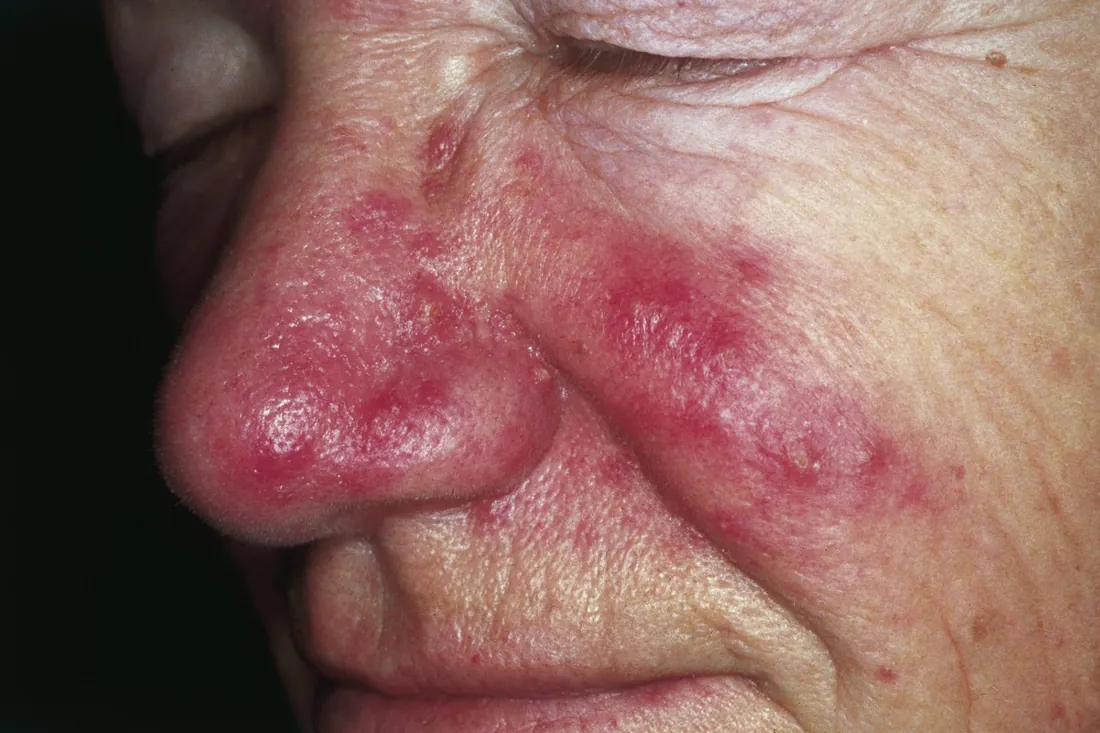
- Rosacea or very sensitive skin: niacinamide is often helpful, but salicylic acid can sting. Patch test and use the split routine.
- Eczema: avoid acids on active patches.
- Already using a retinoid or benzoyl peroxide: add one product at a time, a couple of weeks apart.
- High-strength niacinamide (10%+) can cause redness or itching in some people; drop to 2-5%.
- Aspirin allergy: ask a pharmacist before using salicylic acid.
- Pregnancy: niacinamide is generally considered low-risk; ask your doctor about salicylic acid.
Common mistakes
- Using several exfoliating acids at once alongside salicylic acid.
- Choosing the highest niacinamide strength available.
- Applying salicylic acid on damp skin, which increases stinging.
- Skipping moisturiser on oily skin.
- Forgetting sunscreen while exfoliating.
- Expecting results in a week.
More skincare guides: salicylic acid vs benzoyl peroxide, glycolic vs salicylic acid, retinol for beginners.
Frequently asked questions
Can I use niacinamide and salicylic acid together?
Yes. Apply salicylic acid first, then niacinamide, then moisturiser. If your skin is sensitive, use niacinamide in the morning and salicylic acid at night.
Which goes first, niacinamide or salicylic acid?
Salicylic acid first, on clean dry skin, then niacinamide.
Should I wait between salicylic acid and niacinamide?
A minute or two is enough. It lets the acid absorb and reduces any tingling.
Can I use niacinamide and salicylic acid every day?
Many people can once their skin has adjusted. Start salicylic acid a few times a week and build up; niacinamide can be used daily.
What percentage of niacinamide is best?
Around 2-5% is where most studies show benefits. Higher strengths such as 10% are not proven to work better and can irritate.
Does niacinamide help acne?
Yes, a study found 4% niacinamide gel performed comparably to a 1% clindamycin gel for moderate acne. It works best alongside a pore-clearing ingredient such as salicylic acid.
Does niacinamide reduce oil?
Studies have shown topical niacinamide can reduce the rate of sebum production.
Is it true niacinamide cancels out salicylic acid?
Not in practice. The pH concern is overstated; dermatologists commonly recommend using them together.
Can I use niacinamide, salicylic acid and retinol together?
Yes, but introduce them one at a time. A common routine is niacinamide in the morning and salicylic acid and retinol on alternate nights.
Is niacinamide safe in pregnancy?
Topical niacinamide is generally considered low-risk, but check with your doctor, especially before using salicylic acid.
Final thoughts
Niacinamide and salicylic acid are skincare’s easiest partnership: one clears the pores, the other calms and strengthens the skin around them. Apply salicylic acid first, follow with a modest-strength niacinamide, moisturise, protect with sunscreen, and give it eight weeks. For persistent acne or redness, a dermatologist can take it further.
Sources: Shalita AR et al., topical 4% nicotinamide vs 1% clindamycin, International Journal of Dermatology (1995); Draelos ZD et al., 2% niacinamide and sebum excretion (2006); Hakozaki T et al., niacinamide and hyperpigmentation, British Journal of Dermatology (2002); Tanno O et al., nicotinamide and ceramide synthesis (2000); US FDA OTC acne rules; history of pellagra research (US Public Health Service, Goldberger; Elvehjem 1937). Images: Wikimedia Commons, credited in each caption.