Short answer: glycolic acid is an alpha hydroxy acid (AHA) that exfoliates the surface of the skin, so it is best for dullness, rough texture, sun damage, fine lines and uneven tone. Salicylic acid is a beta hydroxy acid (BHA) that dissolves in oil and works inside pores, so it is best for blackheads, whiteheads and oily, breakout-prone skin.
As a rule of thumb: dry, dull or sun-damaged skin suits glycolic acid; oily or acne-prone skin suits salicylic acid. You can use both, but on alternate nights at first. Glycolic acid makes skin more sensitive to the sun, so daily sunscreen is essential.
I will be honest with you: “glycolic or salicylic?” is really a question about what is bothering you, not which acid is better. Both are excellent at what they do; they just do different things. Once you understand where each one works (on the surface, or inside the pore), choosing is easy. Below you will find the science in plain English, a decision table, routines for different skin types, how to use both safely, and the sun-safety rule that matters more with acids than almost anything else.
Glycolic acid vs salicylic acid at a glance
| Glycolic acid (AHA) | Salicylic acid (BHA) | |
|---|---|---|
| Dissolves in | Water | Oil |
| Where it works | The skin’s surface | Inside pores and on the surface |
| Best for | Dullness, rough texture, sun damage, fine lines, uneven tone | Blackheads, whiteheads, oily skin, mild acne |
| Skin types | Normal, dry, mature, sun-damaged | Oily, combination, acne-prone |
| Home strength | Usually up to 10% | 0.5-2% in US acne products |
| Feel | Can tingle more; smallest AHA molecule | Usually gentler; mildly anti-inflammatory |
| Sun sensitivity | Increases it (FDA “sunburn alert”) | Use sunscreen too |
Where these acids come from

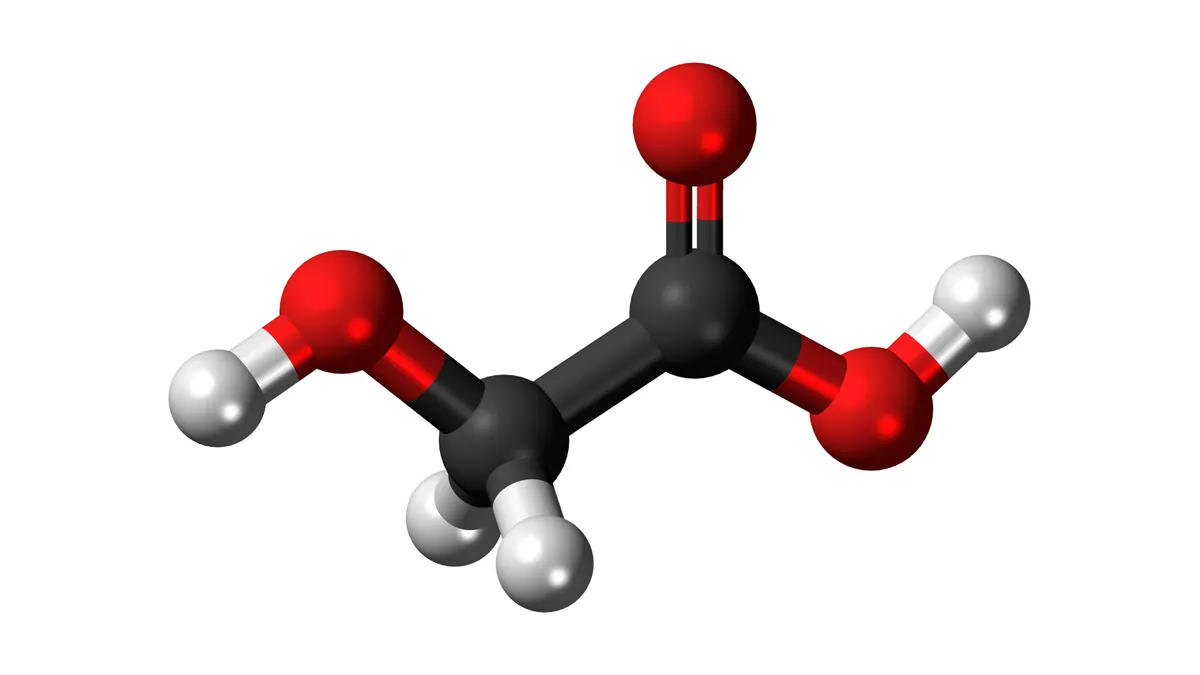
Glycolic acid is the smallest of the alpha hydroxy acids, a family of acids found in sugar cane, milk and fruit. Its small size is why it penetrates easily and works quickly, and also why it can tingle. The cosmetic glycolic acid in your bottle today is made synthetically to a consistent purity.
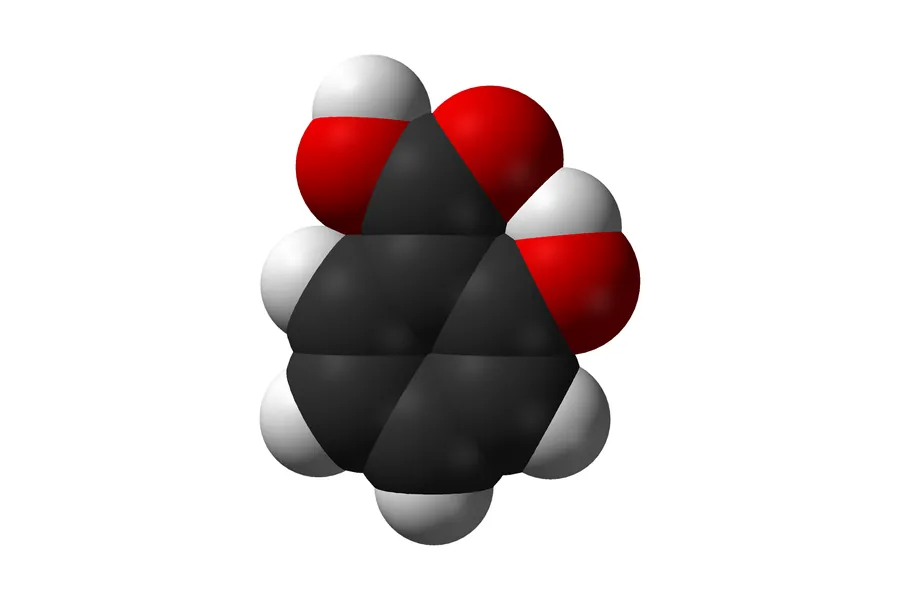
Salicylic acid takes its name from salix, the Latin for willow, whose bark contains the related compound salicin. Its chemical structure makes it oil-soluble, the key difference from AHAs.
How glycolic acid works
Glycolic acid loosens the bonds between the dead cells on the surface of the skin, so they shed more evenly. The result is smoother, brighter skin that reflects light better. With regular use, AHAs can also help fade surface pigmentation and soften fine lines, and some studies suggest they encourage collagen production over time.

The AHA family
| AHA | Source | Character |
|---|---|---|
| Glycolic acid | Sugar cane | Smallest molecule; strongest and fastest; can tingle |
| Lactic acid | Milk (and fermentation) | Gentler; also hydrating |
| Mandelic acid | Bitter almonds | Larger molecule; gentlest; popular for sensitive skin |
| Citric and malic acids | Citrus fruit, apples | Usually supporting ingredients |

How salicylic acid works
Salicylic acid exfoliates the surface too, but its special talent is getting inside oily pores and loosening the plugs of sebum and dead skin that become blackheads and whiteheads. It also calms inflammation slightly. That makes it the natural choice for acne-prone and oily skin. For a full how-to, see our guide to how to apply salicylic acid.
Which acid should you choose?
| Your main concern | Choose | Why |
|---|---|---|
| Blackheads and clogged pores | Salicylic acid | Penetrates oil inside the pore |
| Breakouts on oily skin | Salicylic acid | Clears pores, mildly anti-inflammatory |
| Dull, rough or flaky skin | Glycolic acid | Smooths and brightens the surface |
| Dark spots or sun damage | Glycolic acid | Helps fade surface pigmentation |
| Fine lines and texture | Glycolic acid | Encourages smoother skin over time |
| Oily skin and dullness | Both, alternating | Each covers what the other misses |
| Very sensitive skin | Mandelic or lactic acid, or a gentle salicylic acid | Less irritation |
Routines for different skin types
- Morning: cleanse, moisturiser, SPF
- Evening (most nights): salicylic acid
- Once or twice a week: glycolic acid instead
- Moisturiser every night
- Morning: cleanse, moisturiser, SPF
- Evening (2-3 nights a week): glycolic acid
- Other nights: hydrating serum
- Rich moisturiser
- Salicylic acid on the T-zone
- Glycolic acid on cheeks, 1-2 nights a week
- Never both on the same patch the same night
- SPF every morning
Can you use glycolic and salicylic acid together?
Yes, many people benefit from both, but layering two exfoliating acids in one routine is one of the most common causes of irritated, over-exfoliated skin (redness, stinging, shiny tight patches). Safer ways to combine them:
- Alternate nights: glycolic acid one night, salicylic acid the next.
- Short contact: a salicylic acid cleanser (rinsed off) with a glycolic acid serum.
- Zone them: salicylic acid on the oily T-zone, glycolic acid on drier areas.
- Choose a combination product formulated with both at lower strengths, and introduce it slowly.
Do not add a retinoid on the same night while your skin is getting used to acids; alternate nights instead.
Safety: strengths, sun and sensitivity
- Sun sensitivity: the FDA advises that alpha hydroxy acids can increase the skin’s sensitivity to the sun and asks for a “sunburn alert” on AHA products. Use broad-spectrum SPF 30+ every morning and for at least a week after you stop.
- Strength: the Cosmetic Ingredient Review panel judged glycolic acid safe in consumer products at concentrations up to 10% with a pH of 3.5 or higher. Stronger peels (salon products up to 30%, and medical peels above that) belong with professionals.
- Patch test new products on a small area for a few days.
- Signs of over-exfoliation: stinging when you apply plain moisturiser, redness, tightness or a shiny look. Stop all acids for a week and focus on moisturiser.
- Pregnancy: ask your doctor. Many consider low-strength glycolic acid acceptable; check about salicylic acid.

Professional peels: when to see an expert
At-home acids are designed to work gradually. Dermatologists and trained aestheticians can use much stronger concentrations as chemical peels, which give faster, more dramatic results but need downtime and expert judgement.
| Peel | Good for | Downtime |
|---|---|---|
| Glycolic peel (professional strength) | Dullness, mild pigmentation, texture | Redness for a day or two; usually a course of sessions |
| Salicylic peel (professional strength) | Acne, oily skin, clogged pores | Mild flaking for a few days |
| Medium and deep medical peels | Deeper wrinkles and significant sun damage | One to several weeks |
My advice: if at-home acids have stopped making a difference after a few months, or you are dealing with stubborn pigmentation or acne marks, a consultation with a dermatologist is a better next step than buying ever-stronger products online. People with darker skin tones in particular should seek experienced practitioners, because aggressive peels can trigger dark marks.
Five acid myths to ignore
- “The tingle means it’s working.” Mild tingling is common, but burning is a warning sign, not proof of results.
- “Higher percentage is always better.” Strength, pH and how often you use a product all matter; a gentler product used consistently often beats a harsh one you can only tolerate occasionally.
- “Oily skin doesn’t need moisturiser.” Acids can dehydrate any skin type; a light moisturiser helps.
- “You only need sunscreen in summer.” UV exposure happens all year, and acid-treated skin is more vulnerable.
- “Natural acids are safer.” Glycolic acid from a lab and from sugar cane is the same molecule; safety depends on strength and use, not origin.
What results to expect, and when
- Week 1-2Skin may feel smoother almost immediately with glycolic acid; salicylic acid starts loosening blackheads.
- Week 4Brighter, more even surface; fewer clogged pores.
- Week 8-12The point to judge results: texture, tone and breakouts noticeably better.
- Month 3+Continued gradual fading of pigmentation, with daily sunscreen.
More skincare guides: salicylic acid vs benzoyl peroxide, niacinamide with salicylic acid, retinol for beginners.
Frequently asked questions
Is glycolic acid or salicylic acid better?
Neither is better overall. Glycolic acid is better for dullness, texture and sun damage; salicylic acid is better for clogged pores and acne.
Which is better for acne?
Salicylic acid, because it penetrates oily pores. Glycolic acid can help with post-acne marks and rough texture.
Which is better for dark spots?
Glycolic acid generally does more for surface pigmentation, alongside daily sunscreen.
Can I use glycolic acid and salicylic acid on the same day?
It is safer to alternate nights. If you combine them, use a rinse-off product for one or zone them on different areas.
Does glycolic acid make you sensitive to the sun?
Yes. The FDA notes that AHAs can increase sun sensitivity; use SPF 30+ daily.
What percentage of glycolic acid should I use?
For home use, products up to 10% are typical; beginners often start around 5%. Higher strengths are for professional peels.
Is glycolic acid good for oily skin?
It can help with texture and dullness, but salicylic acid is usually more effective for oiliness and clogged pores.
What is a gentler alternative to glycolic acid?
Lactic acid or mandelic acid, which are larger molecules and usually less irritating.
How do I know if I am over-exfoliating?
Stinging when you apply plain moisturiser, persistent redness, tightness or a shiny look. Stop acids for a week.
Can I use glycolic acid with retinol?
Yes, but on different nights, especially at first.
Final thoughts
Glycolic acid polishes the surface; salicylic acid clears the pores. Choose the one that matches your main concern, start slowly, never skip sunscreen, and alternate if you want the benefits of both. If your skin stays irritated or acne persists, a dermatologist can help you find the right balance.
Sources: US FDA guidance on alpha hydroxy acids in cosmetics (sunburn alert); Cosmetic Ingredient Review safety assessment of glycolic and lactic acid; US FDA 21 CFR 333.310 (OTC salicylic acid); American Academy of Dermatology. Images: Wikimedia Commons, credited in each caption.