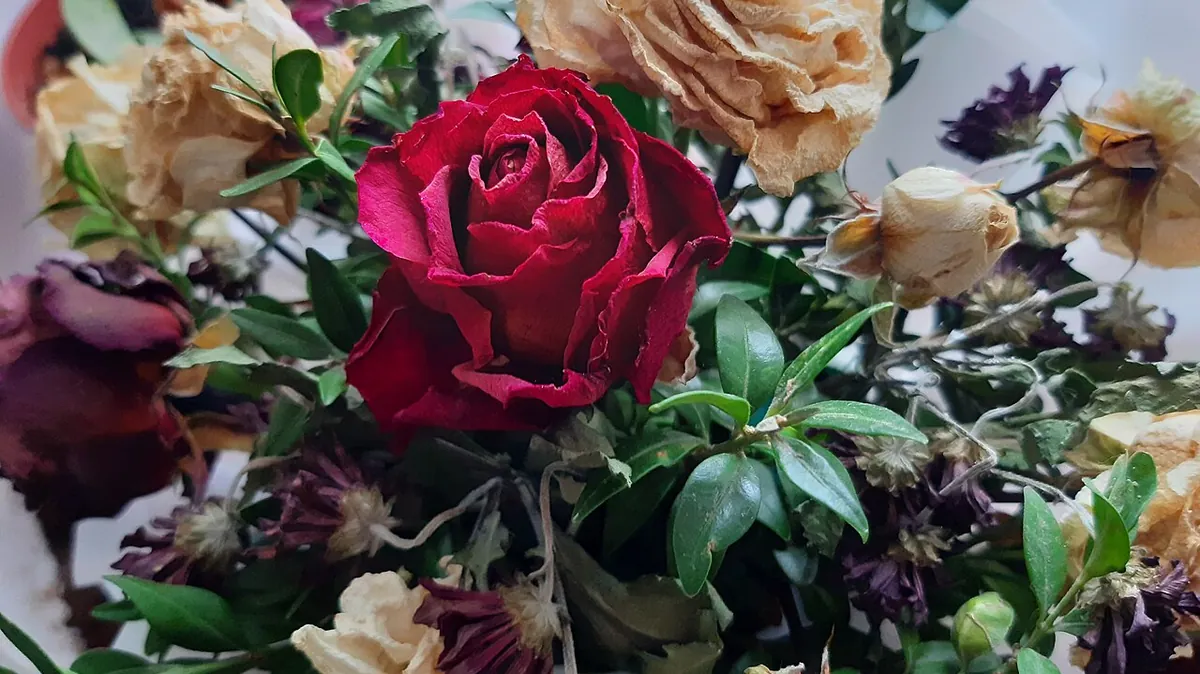
Short answer: the easiest way to preserve roses is to air-dry them: strip the lower leaves, tie the stems in small bunches and hang them upside down in a dark, dry, airy place for about two to three weeks. For the most natural colour and shape, bury the flowers in silica gel for about a week (or a few minutes in a microwave, in short bursts). To keep individual petals or a flat keepsake, press them in a heavy book between sheets of paper for two to four weeks.
Other options include glycerin (keeps roses soft and flexible), wax dipping, resin for display pieces, and professional freeze-drying for special bouquets such as wedding flowers. Whatever the method, start with fresh roses at or just before full bloom, and preserve them as soon as possible.
I will be honest with you: preserving roses is easy to start and surprisingly easy to get wrong. Wait a few days too long, dry them somewhere humid, or leave them in bright sunlight, and you end up with brown, crumbling petals rather than the keepsake you hoped for. The good news is that a few simple rules make a huge difference. Whether you want to keep a wedding bouquet, a Valentine’s rose or flowers from a loved one’s funeral, this guide walks through every method, step by step, with the pros and cons of each.

Which method should you choose?
| Method | Time | Result and best use |
|---|---|---|
| Air-drying | 2-3 weeks | Papery, deeper colour; bouquets and easy decoration |
| Silica gel | About 1 week (minutes in microwave) | Best colour and 3D shape; special single blooms |
| Pressing | 2-4 weeks | Flat and delicate; frames, cards, scrapbooks |
| Glycerin | 1-3 weeks | Soft and flexible; arrangements you want to handle |
| Wax dipping | Minutes | Glossy, short-term; table decorations |
| Resin | Days to cure | Permanently encased; paperweights, jewellery |
| Freeze-drying | Professional service | Closest to fresh; wedding bouquets, heirlooms |
My advice: if you are preserving something irreplaceable, such as a wedding bouquet, practise first on a few cheap supermarket roses. Every rose variety behaves slightly differently, and a test run tells you how your chosen method will look.
Before you start: choosing and preparing roses
- Pick roses at their best: fully open or just before, with no browning on the petals.
- Act quickly: the sooner you preserve them, the better the colour. Roses that have started to wilt or brown will not recover.
- Make sure they are dry: preserve roses on a dry day or pat off any water; moisture causes mould.
- Remove extra leaves: strip lower leaves and any damaged petals.
- Expect colour changes: red roses darken to deep burgundy, white roses may turn ivory, and pinks and yellows usually hold up best.
Method 1: Air-drying roses
Air-drying needs no special equipment and works well for bouquets and long-stemmed roses.

Avoid kitchens and bathrooms, where steam adds moisture, and avoid sunny windows, which fade colours fast. Drying in the dark is the single most important tip for keeping the colour.
Method 2: Silica gel (best colour and shape)
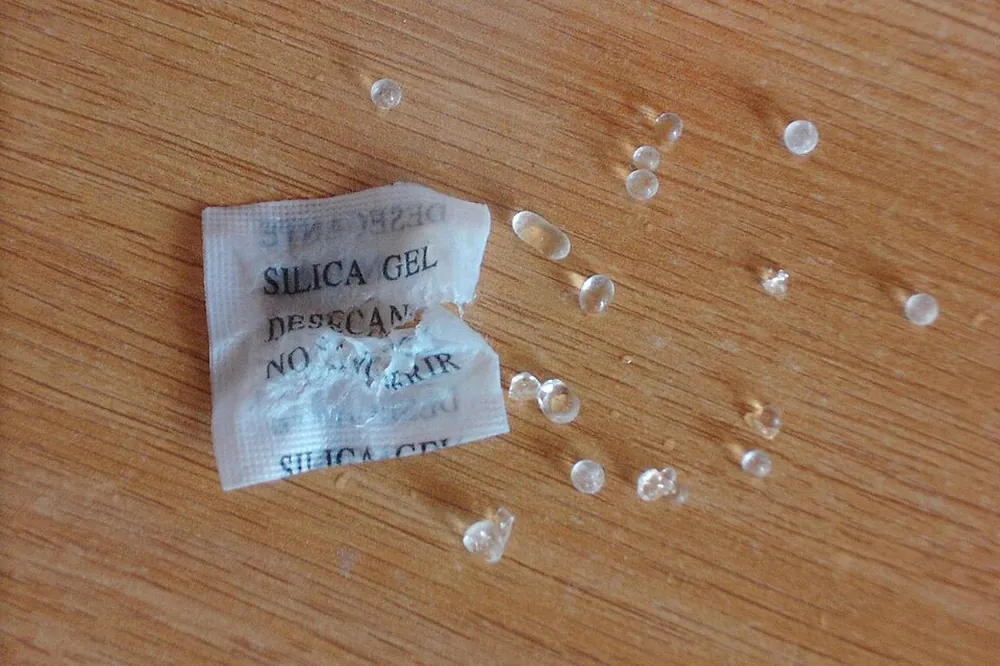
Silica gel is a desiccant, the same material found in the little packets in shoe boxes. Florists’ flower-drying silica is sold as fine crystals that draw moisture out of petals quickly while supporting their shape, so roses come out looking much closer to fresh.
- Cut the stem short, about 2-3cm below the head, unless your container is tall enough to dry it upright.
- Pour a layer of silica gel into an airtight container.
- Place the rose head up and gently spoon crystals around and between the petals until it is completely covered.
- Seal the container and leave it for about 5-7 days.
- Carefully pour off the crystals and lift the rose out; brush away any remaining grains with a soft paintbrush.
The microwave shortcut
For faster results, place the covered rose in a microwave-safe container (uncovered) and heat it in short bursts of about 30 seconds, checking between each, usually for a total of one to three minutes depending on your microwave and the rose. Then leave it in the crystals to cool and finish drying for a day. Use a container you will not use for food again, and never overheat, as petals can scorch.
Silica gel can be reused: once it has absorbed moisture, dry it out in a low oven or according to the manufacturer’s instructions. Many types include indicator crystals that change colour when they need drying. Avoid breathing in the fine dust when pouring, and keep it away from children and pets.
Method 3: Pressing roses
Pressing creates flat flowers for framing, cards, bookmarks or scrapbooks. Whole rose heads are too thick to press well, so it is usually best to press individual petals, small rosebuds, or roses sliced in half lengthways.
- Separate the petals, or carefully cut small roses in half.
- Lay them flat, not touching, between two sheets of absorbent paper such as parchment or blotting paper.
- Place inside a heavy book (protect the pages with extra paper) and stack more books on top.
- Change the paper after a few days if it feels damp.
- Leave for about 2-4 weeks until completely dry and papery.
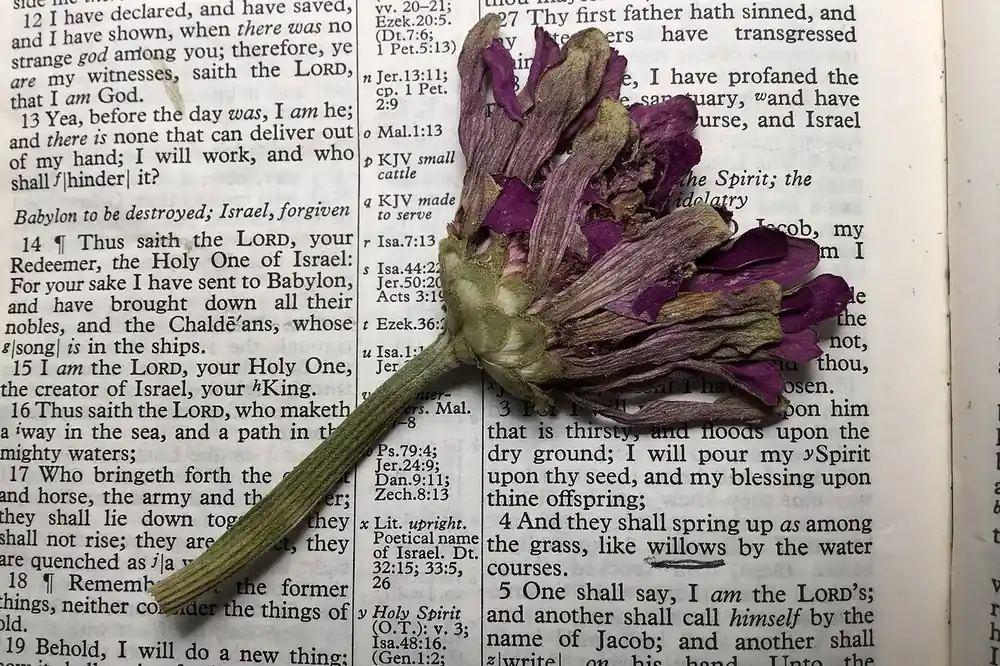
A flower press works even better, and microwave flower presses can speed things up to a few minutes. Pressed petals are fragile, so handle them with tweezers and store them away from light.
Method 4: Glycerin (soft, flexible roses)
Glycerin replaces the water in a rose’s stem and leaves, so the flower stays soft and supple rather than brittle. It works especially well for foliage and arrangements you want to handle.
- Mix one part vegetable glycerin with two parts warm water.
- Cut the rose stems at an angle and lightly crush the bottom few centimetres to help absorption.
- Stand the stems in a few centimetres of the mixture in a vase.
- Leave in a cool, dark place for one to three weeks, topping up the solution as needed.
- The roses are ready when the leaves and petals feel soft and slightly leathery.
Expect the colours to darken, and leaves often turn brown or bronze. Some crafters add a little floral dye to the solution to keep a more vivid colour.
Method 5: Wax dipping
Dipping roses in melted paraffin or soy wax seals the petals and gives them a glossy finish for a few weeks, making it popular for table decorations. Melt the wax gently in a double boiler (never directly over a flame), let it cool slightly, dip each fully open, dry rose quickly, shake off the excess and hang upside down to set. Wax preservation is shorter-term than drying, and hot wax can cause burns, so take care.
Method 6: Resin
Encasing dried roses or petals in clear epoxy resin creates permanent keepsakes: paperweights, coasters, jewellery or display blocks. The rose must be completely dry first, usually with silica gel, or moisture will cloud the resin. Work in a well-ventilated area, wear gloves (epoxy can irritate skin), and follow the manufacturer’s curing times, which can be a few days.
Method 7: Professional freeze-drying
Freeze-drying removes moisture from flowers in a vacuum chamber at very low temperatures, keeping their shape and much of their colour. It requires expensive equipment, so it is offered as a professional service, often for wedding bouquets. Prices and waiting times vary widely by provider; many specialists then arrange the preserved flowers in a frame or display case.
Bonus method: sand or borax and cornmeal
Before silica gel was widely available, gardeners dried flowers by burying them in fine, clean, dry sand, or in a mixture of borax and cornmeal (about one part borax to two parts cornmeal). The method is the same as silica gel: cover the rose completely in a box, then wait. It takes longer, typically one to two weeks, and the mixture is heavier, but it is cheap and works well for sturdy blooms. Brush off every grain carefully afterwards, and keep borax away from children, pets and food.
Which roses dry best?
Some roses dry more successfully than others. As a general rule, roses with plenty of firm petals and a tight, well-formed head hold their shape better than loose, open blooms with thin petals, which can collapse or curl. Smaller spray roses and rosebuds are especially easy, because they dry quickly. Colour matters too: pinks, yellows, oranges and peach shades usually keep their colour well; reds deepen dramatically; and whites tend to turn cream or ivory. If you are buying roses specifically to dry, choose firm heads that are just opening, rather than fully blown blooms.
Preserving a wedding or funeral bouquet
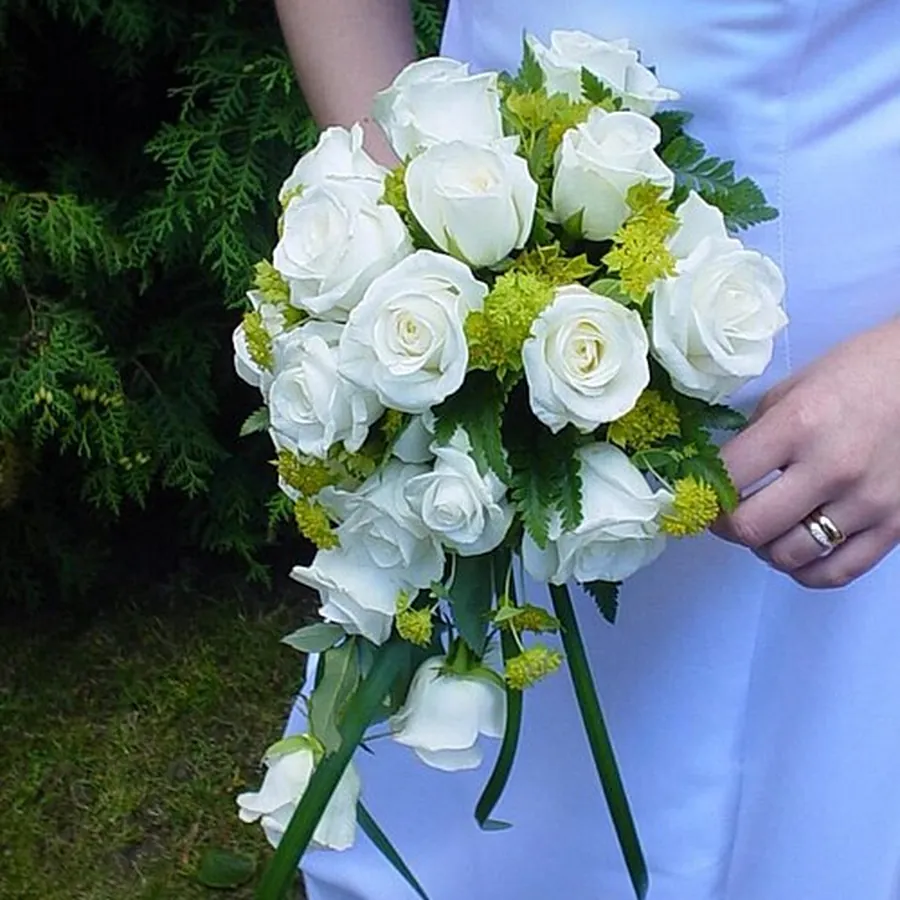
Bouquets with special meaning deserve extra care. Act fast: ideally, start preserving within a day or two, before petals brown. If you plan to use a professional service, contact them before the event so you know how to store and deliver the flowers. If you want to do it yourself, silica gel gives the best result for individual blooms, while air-drying works for the bouquet as a whole. You can also press a few petals from the bouquet for a framed keepsake.
| Goal | Best approach |
|---|---|
| Keep the whole bouquet as it was | Professional freeze-drying |
| Keep a few perfect blooms | Silica gel drying, then a shadow box or glass dome |
| A simple, low-cost keepsake | Air-dry the bouquet and display it in a vase |
| A flat, framed memory | Press petals and arrange them in a frame |
| Something to wear or carry | Dried petals set in resin jewellery |
Making fresh roses last longer first
If your roses are still fresh, a little care can give you more days to enjoy them before preserving:
- Cut stems at an angle under running water before placing them in a vase.
- Remove leaves that would sit below the waterline.
- Use the flower food sachet, or clean water changed every couple of days.
- Keep the vase away from direct sun, radiators and fruit bowls (ripening fruit releases ethylene, which ages flowers).
- Re-trim stems every few days.

Making a shadow box display
- Choose a deep frame (a shadow box) with enough depth for your roses.
- Pick a backing: fabric, card or linen in a colour that complements the flowers.
- Arrange your dried roses and any keepsakes, such as a ribbon, invitation or photo, before fixing anything.
- Attach the roses with a small dab of hot glue or clear craft glue at the base of the head or stem.
- Add a small label with a date or name if you like.
- Seal the frame and hang it away from direct sunlight and damp walls.
A shadow box protects delicate dried flowers from dust and handling, and turns them into something you can display every day, a lovely way to keep wedding, anniversary or memorial flowers.
Other ways to keep rose memories
- Potpourri: mix dried petals with a few drops of rose or essential oil in a bowl.
- Scented sachets: fill small fabric bags with dried petals for drawers and wardrobes.
- Wedding confetti: dried rose petals make a natural, biodegradable alternative to paper confetti.
- Keepsake jewellery: petals set in resin pendants or rings.
- Bookmarks and cards: pressed petals laminated or framed under glass.
- Photographs: a beautiful photo of the fresh bouquet is a keepsake that never fades.
If you enjoy working with flowers, gardening and other outdoor pastimes can be wonderfully rewarding; our guide to fun hobbies for outdoorsy people has plenty of ideas.
How to display and care for preserved roses
- Keep them out of direct sunlight, which fades colour quickly.
- Avoid humidity: bathrooms and kitchens can make dried roses limp or mouldy.
- Dust gently with a soft brush or a hairdryer on the coolest setting.
- Use glass domes, shadow boxes or frames to protect them from dust and handling.
- Expect gradual change: even well-preserved roses slowly fade over years.
Safety and storage notes
Most rose-preserving methods are safe and simple, but a few materials need care. Silica gel crystals and borax should be kept away from children and pets and not swallowed. Hot wax can cause serious burns, so melt it gently and never leave it unattended. Epoxy resin needs good ventilation and gloves. When storing preserved roses, use a dry, dark cupboard or a sealed box with a sachet of silica gel to absorb moisture, and check them now and then for any sign of mould or insects, which can occasionally get into dried plant material.
Dried petals can also leave colour marks on fabric if they get damp, so keep sachets in breathable bags and away from pale clothing. For more practical guides around the home, see how to get stains out of shirts and how to wash white sneakers.
Troubleshooting
| Problem | Likely cause | Fix |
|---|---|---|
| Petals turned brown | Roses too old, or dried too slowly | Use fresher roses; dry faster in a dry, dark place |
| Mould or musty smell | Damp roses or humid drying spot | Dry flowers fully first; improve ventilation |
| Heads drooping | Dried upright instead of upside down | Hang upside down from the start |
| Petals falling off | Over-dried or handled roughly | Mist with hairspray; handle gently |
| Faded colour | Exposure to light | Dry and display away from sunlight |
| Cloudy resin | Rose not fully dry | Dry thoroughly in silica gel before casting |
More home and garden guides: fun hobbies for outdoorsy people, what dreams mean.
Frequently asked questions
What is the easiest way to preserve roses?
Air-drying: hang small bunches upside down in a dark, dry, airy place for about two to three weeks.
How do you preserve roses so they keep their colour?
Dry them quickly, in the dark, ideally using silica gel, which preserves colour and shape best.
How long does it take to dry roses?
About two to three weeks by air-drying, about a week in silica gel, and two to four weeks pressing.
Can you preserve roses with hairspray?
Hairspray alone does not preserve roses, but a light coat after drying can help protect petals.
How do you preserve a rose forever?
Encasing a fully dried rose in resin, or professional freeze-drying, gives the longest-lasting results.
Can you dry roses in the microwave?
Yes, buried in silica gel in a microwave-safe container, heated in short bursts for one to three minutes in total.
Why did my dried roses turn brown?
Usually because they were past their best or dried too slowly in a humid place.
How do you press a rose?
Press individual petals or halved small roses between absorbent paper in a heavy book for two to four weeks.
How do I preserve my wedding bouquet?
Act within a day or two; use professional freeze-drying, or air-dry or silica-dry the flowers yourself.
What colour roses dry best?
Pinks, yellows and oranges usually hold their colour well; red roses darken and white roses can turn ivory.
Final thoughts
Preserving roses comes down to three things: start with fresh flowers, remove moisture as quickly as possible, and keep them out of the light. Air-drying is easy and free, silica gel gives the most lifelike results, and pressing, glycerin, wax, resin and freeze-drying each have their place. With a little practice, a fleeting bouquet can become a keepsake that lasts for years.
Sources: Standard florist and gardening guidance on drying, pressing and preserving flowers; manufacturer instructions for flower-drying silica gel, glycerin, floral wax and epoxy resin; general guidance on cut-flower care. Images: Wikimedia Commons, credited in each caption.