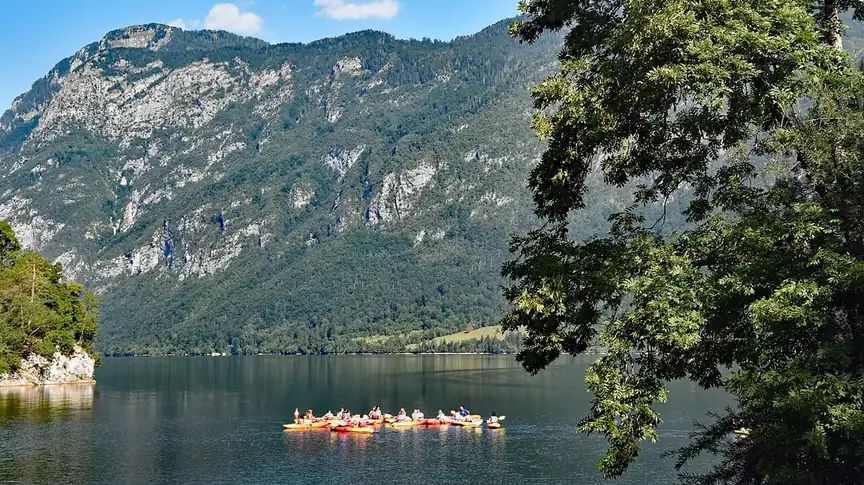
Short answer: some of the most rewarding hobbies for outdoorsy people are hiking, birdwatching, geocaching, gardening, stargazing, kayaking or paddleboarding, cycling, climbing, wild swimming, fishing and nature photography. Many cost little or nothing to start, and research suggests that spending at least two hours a week in nature is linked to better health and wellbeing.
The best choice depends on what you enjoy: adrenaline or calm, solo time or company, a big budget or none. This guide compares more than 20 outdoor hobbies by cost, fitness level and how social they are, with tips for getting started safely.
I will be honest with you: the hardest part of an outdoor hobby is often just getting out of the door. Once you are out, there is something about fresh air, open space and doing something with your hands or legs that resets a busy mind. Whether you want a gentle reason to walk more, a new challenge, or a way to meet people, there is an outdoor pastime that fits. Here is a practical guide to the best options, what they cost, and how to start.

Why outdoor hobbies are good for you
A large 2019 study published in Scientific Reports, using data from nearly 20,000 people in England, found that those who spent at least 120 minutes a week in nature were significantly more likely to report good health and high wellbeing than those who spent no time in nature. The benefit appeared whether the time came in one long visit or several shorter ones. Outdoor hobbies also help many people meet the World Health Organization’s recommendation of at least 150 minutes of moderate activity a week.
| Benefit | How outdoor hobbies help |
|---|---|
| Physical fitness | Walking, paddling, cycling and climbing build strength and stamina |
| Mental wellbeing | Time in green and blue spaces is linked to lower stress and better mood |
| Social connection | Clubs, groups and events make it easy to meet people |
| Skills and focus | Navigation, identification and practice give a sense of achievement |
| Connection with nature | Noticing seasons, wildlife and landscapes |
| Low cost | Many hobbies need little more than comfortable shoes |
Outdoor hobbies at a glance
| Hobby | Cost to start | Fitness and social |
|---|---|---|
| Walking and hiking | Low | Easy to hard; solo or group |
| Birdwatching | Low | Easy; solo or club |
| Geocaching | Free with an app | Easy; family-friendly |
| Gardening | Low | Easy to moderate; solo or community garden |
| Stargazing | Free | Easy; solo or astronomy society |
| Nature photography | Low (phone) to high | Easy; solo or club |
| Cycling and mountain biking | Medium | Moderate to hard; solo or club |
| Kayaking, canoeing, paddleboarding | Medium (rent to start) | Moderate; solo or group |
| Climbing and bouldering | Medium | Moderate to hard; usually with partners |
| Wild swimming | Low | Moderate; best with others |
| Fishing | Low to medium | Easy; solo or club |
| Disc golf and orienteering | Low | Easy to moderate; social |
Low-cost, beginner-friendly hobbies
Walking and hiking
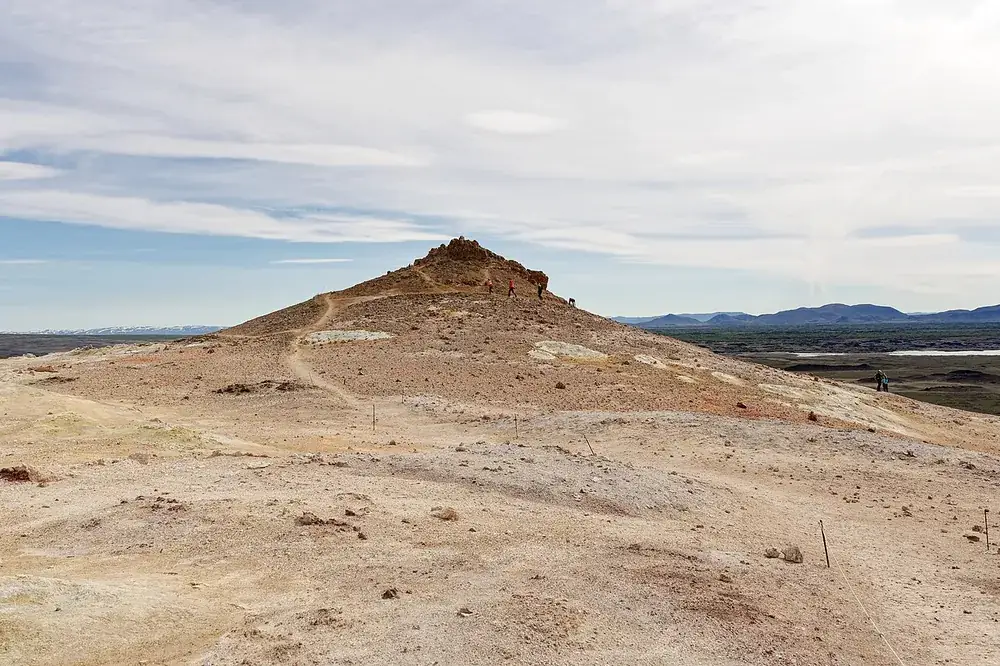
Hiking is the gateway outdoor hobby: all you need is comfortable footwear, weather-appropriate clothing and a route. Start with local footpaths and parks, then build up to longer trails and hills. Apps and printed maps help with route planning, and walking groups are an easy way to meet people and discover new places.
Birdwatching
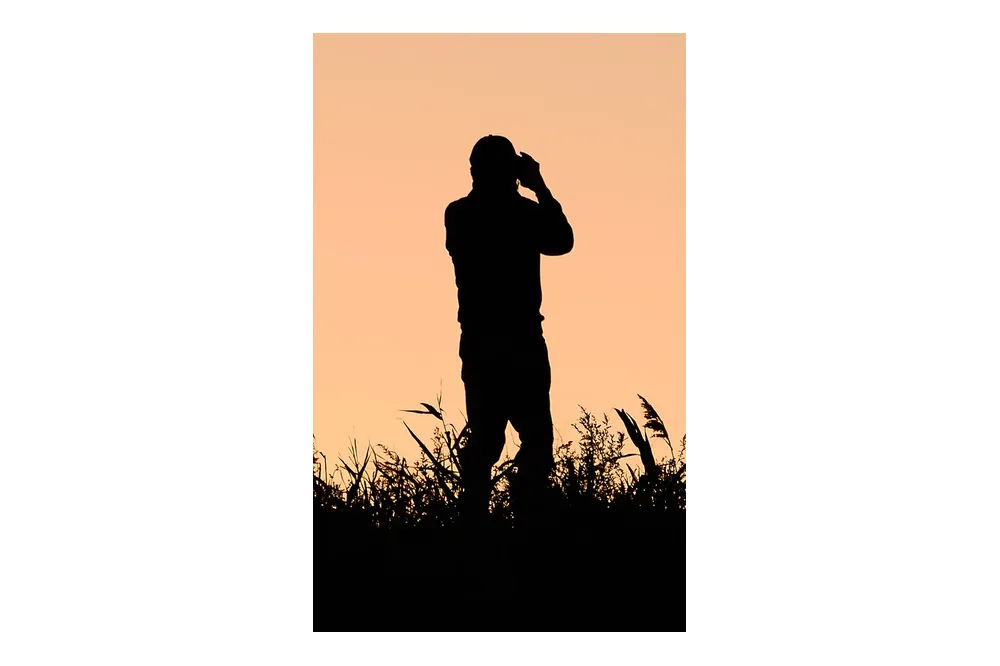
Birdwatching rewards patience and curiosity, and you can do it anywhere: gardens, parks, coasts or wetlands. A pair of binoculars and a field guide or identification app are enough to start. Many birders keep a list of species they have seen, which adds a satisfying collecting element. Nature reserves often have hides and guided walks for beginners.
Geocaching
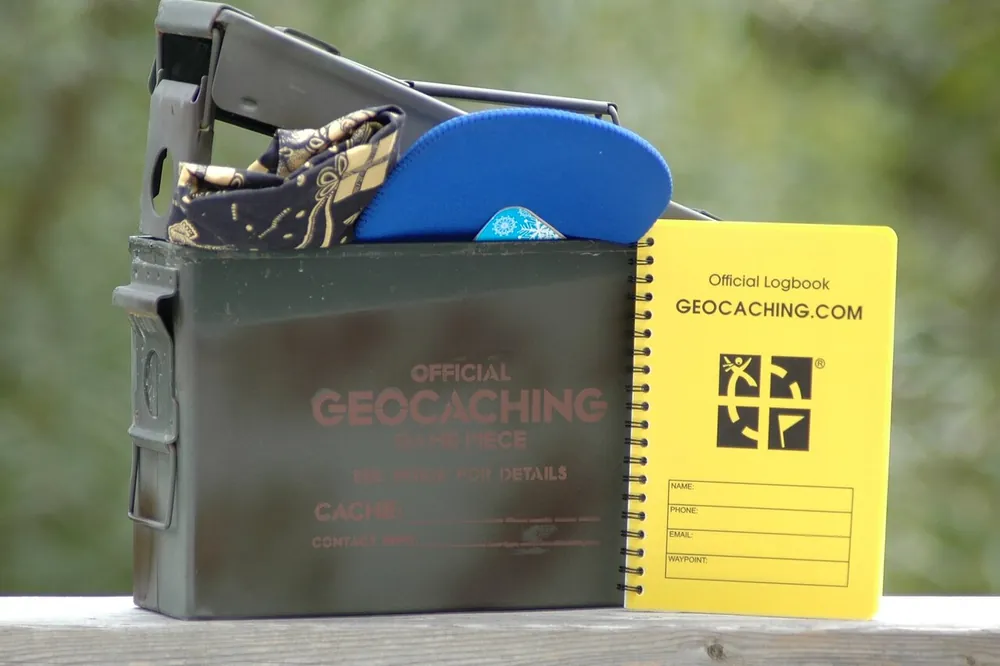
Geocaching is a worldwide treasure hunt using GPS. Players hide waterproof containers, from tiny tubes to ammunition boxes, and post their coordinates online; others use an app to find them, sign the logbook and sometimes swap small trinkets. It began in May 2000, shortly after the US government stopped deliberately degrading civilian GPS accuracy, and there are now caches in almost every country. It is ideal for families and turns ordinary walks into adventures.
Gardening
Gardening combines gentle exercise, creativity and the satisfaction of growing your own food or flowers. No garden? Window boxes, balcony pots and community gardens or allotments are all options. Many areas have waiting lists for allotments, so it is worth applying early.
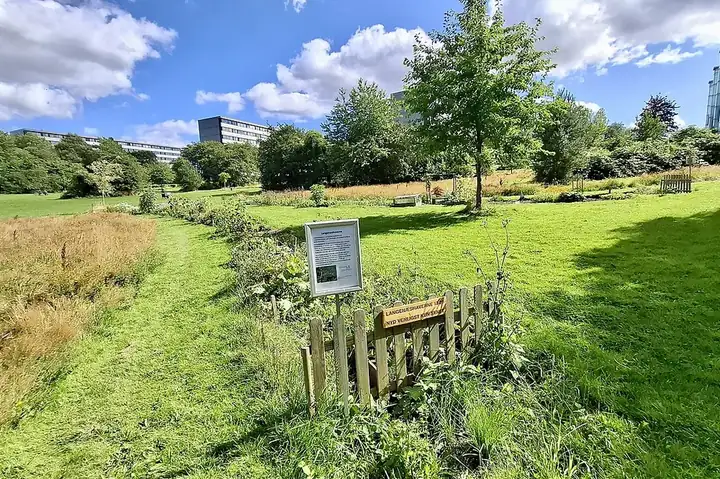
Gardening also feeds other hobbies: growing your own flowers gives you material for crafts, and our guide to preserving roses shows how to keep your blooms long after they are cut.
Stargazing
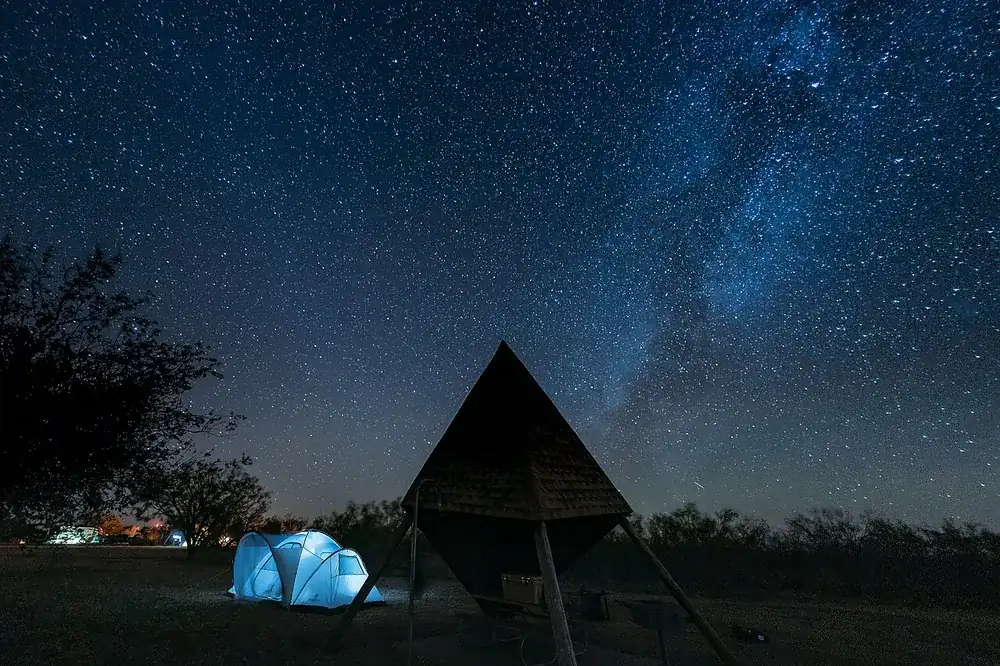
On a clear night away from city lights, the sky is full of stars, planets and, in dark places, the Milky Way. Stargazing is free; a star map app helps you identify what you see, and binoculars reveal much more. Look for designated dark-sky places, which protect night skies from light pollution, and check for meteor showers such as the Perseids in August and the Geminids in December.
Nature photography
A modern phone camera is enough to start capturing landscapes, wildlife and close-ups of plants and insects. Photography also makes you notice more: light, seasons and small details. Local photography clubs and online challenges give you goals and feedback.
Active adventures
| Hobby | How to start | Safety tip |
|---|---|---|
| Trail running | Run your usual distance on gentle paths first | Tell someone your route; carry water |
| Cycling and mountain biking | Rent or borrow a bike; try family-friendly trails | Wear a helmet; check brakes and tyres |
| Climbing and bouldering | Take an indoor course before climbing outside | Learn from qualified instructors |
| Kayaking, canoeing, paddleboarding | Book a lesson or guided session | Always wear a buoyancy aid |
| Wild swimming | Join a group at a known, safe spot | Beware cold water shock; never swim alone |
| Surfing | Take lessons at a surf school | Swim between lifeguard flags where available |
| Skiing and snowshoeing | Lessons and rented equipment for first trips | Check avalanche and weather forecasts |
My advice: for any water or climbing activity, invest in a lesson before buying gear. You will learn the essential safety skills, find out whether you enjoy it, and get advice on what equipment you actually need.
Calm and creative pursuits
- Fishing: relaxing and absorbing. In England and Wales you need a rod licence for freshwater fishing, and US states require fishing licences; check local rules and seasons.
- Nature journaling and sketching: record what you see with words and drawings; no artistic skill required.
- Foraging: picking wild berries, herbs and nuts. Only eat what you can identify with complete certainty, and follow local rules and landowners’ wishes.
- Metal detecting: searching for lost objects and historical finds. Always get the landowner’s permission; in England and Wales, potential treasure must be reported under the Treasure Act 1996.
- Plein-air painting: painting landscapes outdoors, a classic way to slow down and look closely.
Social outdoor hobbies
If you want company, these hobbies come with a built-in community:
- parkrun: a free, weekly, timed 5km event held in parks around the world. It began in 2004 in Bushy Park, London, and welcomes walkers as well as runners.
- Disc golf: like golf with flying discs aimed at metal baskets; many parks have free courses.
- Orienteering: navigating between checkpoints with a map and compass, with events for all ages and abilities.
- Conservation volunteering: tree planting, path repair and wildlife surveys with local groups.
- Walking and cycling clubs: regular group outings at every level.
Starter kit: what you actually need
| Hobby | Essentials to start | Nice to have later |
|---|---|---|
| Hiking | Comfortable shoes, waterproof jacket, water, map or app | Walking boots, poles, a small rucksack |
| Birdwatching | Binoculars, a field guide or ID app | Spotting scope, camera with zoom |
| Geocaching | A smartphone with a geocaching app, a pen | Small trinkets to swap, a torch |
| Gardening | Gloves, a trowel, seeds or young plants, pots | Raised beds, a cold frame |
| Stargazing | Dark sky, warm clothes, a star map app | Binoculars, a beginner telescope |
| Kayaking | A lesson with equipment provided | Your own boat, paddle and buoyancy aid |
| Cycling | A roadworthy bike and helmet | Lights, repair kit, padded shorts |
My advice: borrow, rent or buy second-hand before committing to expensive gear. Outdoor clubs often have kit to lend, outdoor shops rent equipment, and second-hand marketplaces are full of barely used binoculars, bikes and tents from people who bought too much too soon.
How to choose the right hobby for you
A year of outdoor hobbies
- SpringBirdsong and migration; planting the garden; long evening walks.
- SummerPaddling, wild swimming, camping and stargazing on warm nights.
- AutumnForaging for berries and nuts; colourful hikes; migrating birds again.
- WinterLong, dark nights for stargazing; frosty walks; snow sports in the mountains.
Seasonal variety keeps outdoor hobbies fresh. Many outdoorsy people combine two or three: hiking with photography, gardening with birdwatching, or paddling in summer and stargazing in winter.
Outdoor hobbies for different life stages
| Who | Good options | Why |
|---|---|---|
| Families with young children | Geocaching, easy nature trails, gardening, rock pooling | Short, playful, lots to discover |
| Teenagers | Climbing, mountain biking, paddleboarding, parkrun | Challenge, skills and friends |
| Busy professionals | Lunchtime walks, weekend hikes, cycling to work | Fits around work; clears the head |
| Retirees | Birdwatching, gardening, walking groups, volunteering | Gentle activity and community |
| People with limited mobility | Accessible trails, birdwatching from hides, gardening in raised beds | Many reserves and parks offer step-free routes |
Accessibility has improved a great deal: many nature reserves, national parks and forests now publish step-free routes, accessible hides and all-terrain wheelchair hire. Check visitor websites before you go, or contact them for advice.
Turning a hobby into a habit
Most people who give up on an outdoor hobby do so because it never becomes routine. A few simple tactics help: pick a regular time, such as a Saturday morning walk or an evening in the garden; join a club or event so others expect you; set small goals, like spotting 50 bird species this year or finding 100 geocaches; and keep a log or photo diary to see your progress. Bad weather is the classic excuse, but with the right clothing most days are fine, and some of the best outdoor moments happen in mist, frost or drizzle.
Outdoor hobbies on a tight budget
You do not need to spend much to enjoy the outdoors. Public footpaths, parks, beaches and most nature reserves are free to visit. Libraries often lend field guides and even binoculars or telescopes. Free events such as parkrun and many guided walks run every week, and community gardens usually charge only a small fee. Public transport and lift-sharing can get you to hills and coasts without a car. Start with what is on your doorstep: a local park can host birdwatching, geocaching, photography and stargazing all in one evening.
Enjoying nature responsibly
The more people enjoy the outdoors, the more it matters to tread lightly. Stick to paths to avoid erosion and trampling plants, keep dogs under control around livestock and nesting birds, and never disturb wildlife for a photo. Take all litter home, including food waste, and avoid lighting fires except where it is clearly allowed. When foraging, take only a small share of what you find and leave plenty for wildlife. Sharing travel, using public transport and buying second-hand gear all help reduce the environmental cost of outdoor hobbies, so the places you love stay wild for the next visitor.
Staying safe outdoors
- Check the weather and conditions before you go, and turn back if they worsen.
- Tell someone where you are going and when you will be back.
- Dress in layers and carry water, snacks and a charged phone.
- Respect the land: follow the Countryside Code or Leave No Trace principles, leave gates as you find them and take litter home.
- Know your limits, especially in water, at height or in remote places.
- Learn basic first aid, and carry a small kit on longer trips.
Cold water is a particular hazard: sudden immersion can cause cold water shock, which affects breathing even in strong swimmers. Swim with others at supervised or well-known spots, enter the water slowly, and follow local water-safety advice.
More home and garden guides: how to preserve roses, what dreams mean, how long AC units last.
Frequently asked questions
What are good hobbies for outdoorsy people?
Hiking, birdwatching, geocaching, gardening, stargazing, kayaking, cycling, climbing, wild swimming, fishing and nature photography are all popular choices.
What is the cheapest outdoor hobby?
Walking, stargazing, birdwatching and geocaching cost little or nothing to start.
How much time outdoors is good for you?
A 2019 study found people who spent at least 120 minutes a week in nature were more likely to report good health and wellbeing.
What outdoor hobbies can I do alone?
Hiking, birdwatching, photography, stargazing, gardening and fishing all work well solo.
What outdoor hobbies are good for meeting people?
parkrun, walking and cycling clubs, disc golf, orienteering and conservation volunteering.
What is geocaching?
A GPS-based treasure hunt in which players hide and find containers using coordinates shared online; it began in 2000.
Do I need a licence to go fishing?
In England and Wales you need a rod licence for freshwater fishing; US states require fishing licences. Check local rules.
Is wild swimming safe?
It can be, with precautions: swim with others at known spots, beware cold water shock and follow local safety advice.
What outdoor hobbies are good for families?
Geocaching, birdwatching, gardening, parkrun, easy hikes and stargazing.
What is parkrun?
A free, weekly, timed 5km event in parks worldwide, started in 2004 in Bushy Park, London; you can walk, jog or run.
Final thoughts
The best outdoor hobby is the one that gets you outside regularly. Start small and cheap, a walk, a pair of binoculars, a geocaching app, and build from there. With research suggesting that a couple of hours a week in nature can lift health and wellbeing, there has never been a better excuse to step outside.
Sources: White, M. P. et al. (2019), “Spending at least 120 minutes a week in nature is associated with good health and wellbeing”, Scientific Reports; World Health Organization and NHS physical activity guidelines; the Countryside Code and Leave No Trace principles; UK Environment Agency (rod licences); Treasure Act 1996; parkrun; Geocaching history (2000). Images: Wikimedia Commons, credited in each caption.