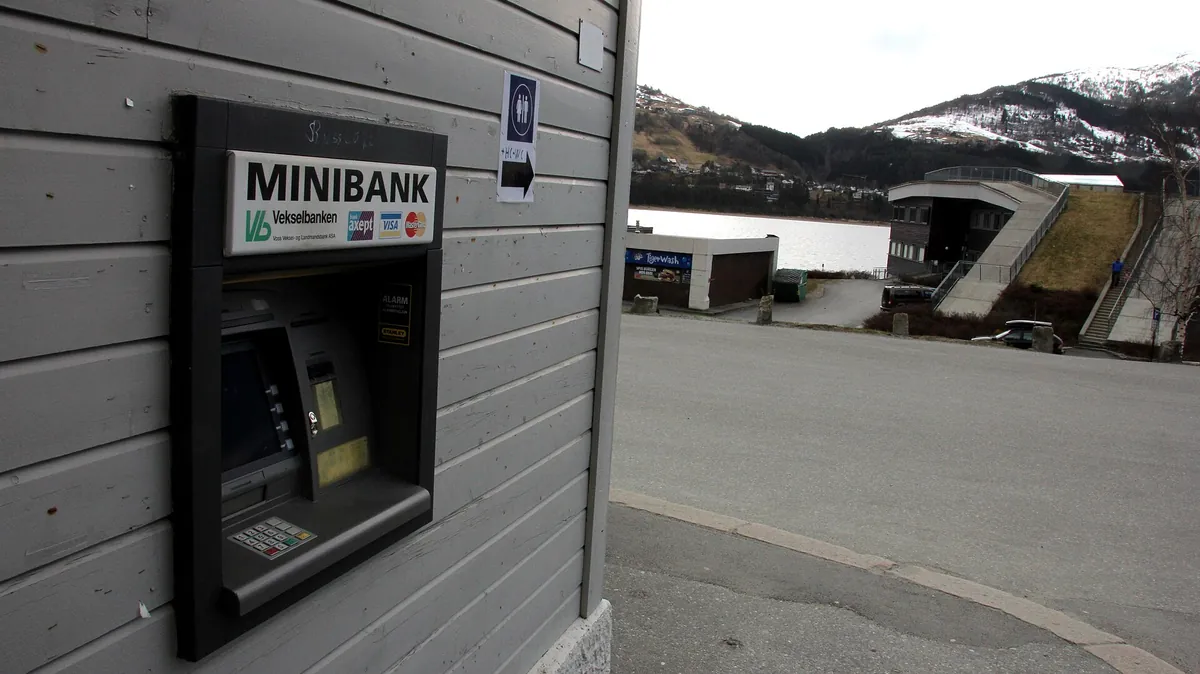
Short answer: ATM processing is the chain of systems that turns “insert card, enter PIN” into cash in a few seconds. The ATM reads your card, encrypts your PIN, and sends an authorisation request to an ATM processor, which routes it over a card network (such as Visa Plus, Mastercard Cirrus, Star, Pulse or NYCE) to your bank. Your bank checks your PIN and balance and replies “approve” or “decline”; if approved, the ATM dispenses the cash, and the banks settle the money between themselves afterwards.
The whole round trip usually takes a few seconds. Fees are paid along the way: the ATM owner may charge you a surcharge, your own bank may add an out-of-network fee, and the card issuer pays the ATM owner an interchange fee.
The five parties in every ATM withdrawal
| Party | Role |
|---|---|
| Cardholder | You, with a debit card and PIN |
| ATM owner / operator | A bank, or an independent operator that places ATMs in shops, bars and venues |
| ATM processor | Connects the ATM to the networks, handles the messaging and reporting; some operators use third-party processors |
| Card network | Routes the request between banks (Visa Plus, Mastercard Cirrus, Star, Pulse, NYCE and others) and runs settlement |
| Issuing bank | Your bank, which approves or declines and debits your account |
How an ATM transaction is processed, step by step
If something fails after approval (for example, the ATM jams and dispenses nothing), the ATM sends a reversal so your bank releases the hold. If money is still taken, your bank can investigate using the ATM’s electronic journal.
Who gets paid: ATM fees explained
| Fee | Paid by → to | Typical size |
|---|---|---|
| Surcharge | You → ATM owner | Set by the owner; shown on screen before you confirm |
| Out-of-network fee | You → your bank | Set by your bank for using another bank’s ATM |
| Interchange | Your bank → ATM owner | A per-transaction amount set by the card network |
| Processing fee | ATM owner → processor | Per transaction or monthly, by contract |
Using a bank that refunds ATM fees, or a surcharge-free network such as Allpoint or MoneyPass, is the simplest way to avoid paying both the surcharge and your bank’s fee.
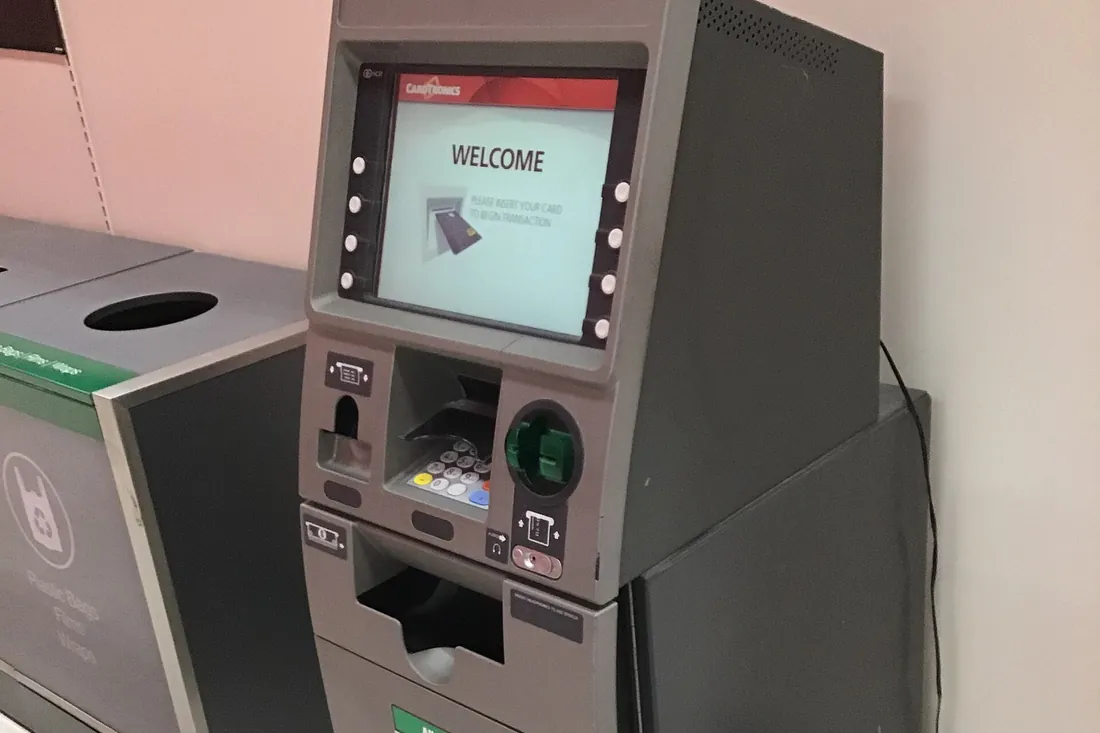
Security: how ATM processing protects your money
- EMV chips generate a unique code for each transaction, making cloned cards much less useful. In the US, card networks shifted counterfeit-fraud liability to ATM owners who had not upgraded to EMV (Mastercard in 2016, Visa in 2017).
- Encrypting PIN pads encrypt your PIN the moment you type it, using keys managed under strict industry (PCI PIN) rules.
- Network encryption protects messages between the ATM, processor and networks.
- Fraud monitoring by your bank flags unusual withdrawals.
- Your part: cover the keypad, check for loose or bulky card readers (skimmers) and use ATMs in well-lit, supervised places.
ATM processing for business owners
If you own a shop or venue, you can host an ATM through an independent operator or buy and run one yourself. In either case you need a processing agreement that connects the machine to the networks, a plan for loading cash (self-loaded or through an armoured-car service), and a way to receive surcharge and interchange revenue.
| Question to ask a processor | Why it matters |
|---|---|
| What is the per-transaction and monthly fee? | Drives your profit per withdrawal |
| How quickly is settlement paid to my account? | Affects how much cash you must float |
| Which networks are supported? | More networks mean fewer declined cards |
| What reporting and monitoring do I get? | Lets you spot low cash and faults quickly |
| Is the machine EMV-capable and compliant? | Avoids fraud liability |
More business explainers: machine shop cost estimating, configuration management in telecom.
Frequently asked questions
How does ATM processing work?
The ATM reads your card, encrypts your PIN and sends an authorisation request through an ATM processor and card network to your bank. Your bank approves or declines; if approved, the ATM dispenses cash and the banks settle the money later.
What is an ATM processor?
A company or system that connects an ATM to the card networks, sends and receives transaction messages, and provides reporting. Banks may process their own ATMs; independent operators usually use third-party processors.
How long does an ATM transaction take?
Authorisation typically takes a few seconds. Settlement between the banks usually happens by the next business day.
Who sets ATM fees?
The ATM owner sets the surcharge, your bank sets any out-of-network fee, and the card network sets the interchange your bank pays the ATM owner.
What happens if an ATM takes money but does not dispense cash?
The ATM should send a reversal automatically. If your account is still debited, contact your bank, which can check the ATM’s records and refund you.
Is my PIN safe at an ATM?
Your PIN is encrypted inside the PIN pad as soon as you type it. Protect it by covering the keypad and checking for signs of skimming devices.
Final thoughts
Every ATM withdrawal is a small feat of coordination between your card, the machine, a processor, a network and your bank, completed in seconds and secured by encryption at every step. Knowing how it works helps you avoid fees, and helps business owners choose the right processing partner.
Sources: Card network and industry descriptions of ATM transaction flow; ISO 8583 financial transaction message standard; PCI Security Standards Council PIN security requirements; Visa and Mastercard EMV liability-shift announcements. Images: Wikimedia Commons, credited in each caption.