Short answer: in the US, CNC machining typically costs about $35 to $120 per hour for 3-axis milling (most standard work around $40-$80), and roughly $70 to $300 per hour for 5-axis, with most 5-axis quotes falling between about $120 and $250. CNC turning on a lathe is often priced similarly to 3-axis milling. Aerospace, medical and defence-certified shops charge toward the top of each range.
The hourly rate is only part of a quote. Programming and setup, material, finishing, inspection and quantity often matter more to the price of each part than the machine rate itself.
I will be honest with you: “how much per hour?” is the question every buyer asks first, and it is rarely the number that decides what you pay. Two shops with the same hourly rate can quote very different prices for the same part, because one needs three setups and the other one, or because one is quoting ten parts and the other a thousand. This guide gives you the hourly ranges, then shows exactly how shops build a rate and turn it into a part price, so you can read quotes properly and cut costs.
CNC machining rates by machine type
| Machine / process | Typical US rate | Notes |
|---|---|---|
| 3-axis CNC mill | About $35-$120/h | Most standard parts; around $40-$80 is common |
| CNC lathe / turning centre | Often similar to 3-axis | Round parts; live tooling and bar feeders add cost |
| 4-axis CNC mill | Between 3-axis and 5-axis | Rotary axis cuts setups |
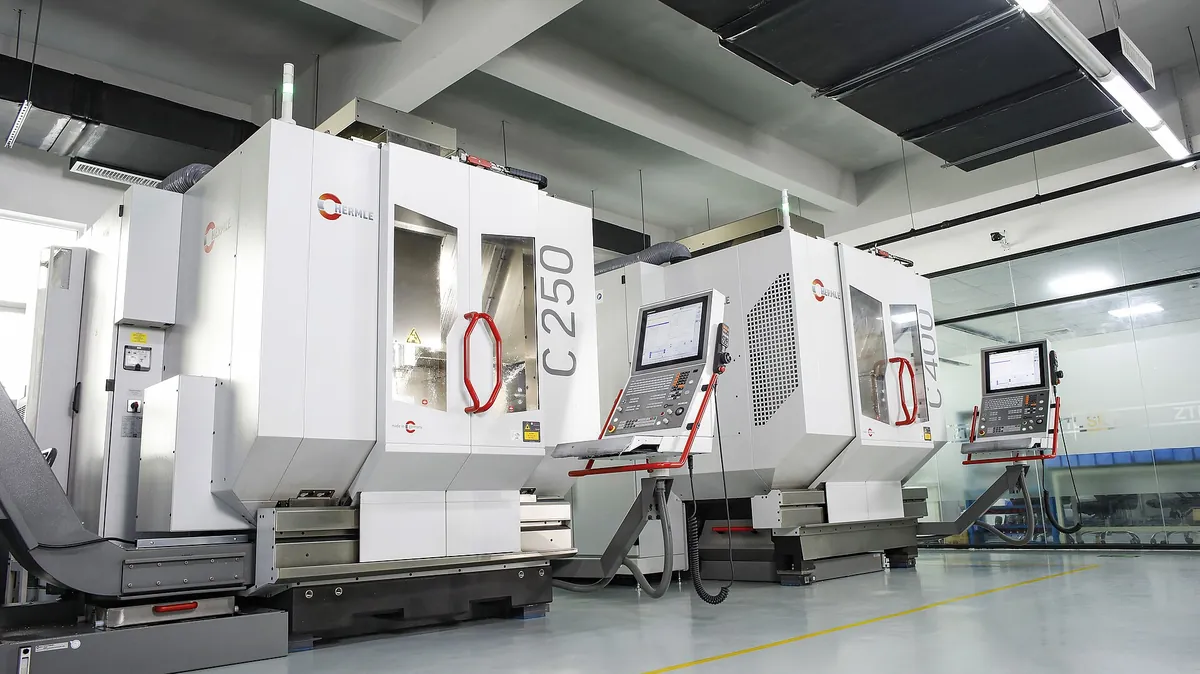
| 5-axis CNC mill | About $70-$300/h | Most quotes about $120-$250 |
| Swiss-type lathe | Higher than standard turning | Small, precise turned parts in volume |
| Certified work (AS9100, ITAR, medical) | Top of each range | Paperwork, traceability and inspection |

What goes into a shop’s hourly rate
A shop rate is not just the machinist’s wage. It has to pay for the machine, the building, the software and the people who do not cut metal, and leave a profit. Here is an illustrative build-up for a mid-range CNC mill running one shift:
| Cost component | Per billable hour | How it is worked out |
|---|---|---|
| Machine depreciation | About $19 | A $150,000 machine over 5 years, 1,600 billable hours a year |
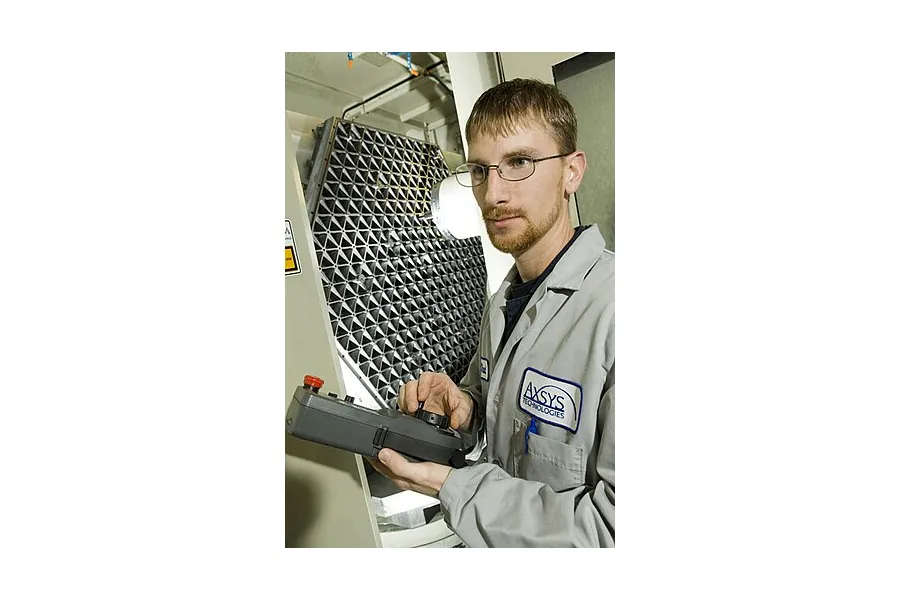
| Machinist labour | About $36 | $27.74 median wage plus roughly 30% for taxes and benefits |
| Space, power, maintenance | About $12 | Rent, electricity, coolant, servicing |
| Tooling and consumables | About $6 | Cutters, inserts, fixtures |
| Overhead | About $15 | Programming software, quality, admin, sales |
| Margin (15%) | About $13 | Profit and risk |
| Shop rate | About $101/h | An illustration; every shop’s numbers differ |
The US Bureau of Labor Statistics put the median pay for machinists and tool and die makers at $27.74 an hour in 2024, and the median for CNC tool programmers at $30.50 an hour in its May 2023 data. A 5-axis machine can cost several times more than a basic 3-axis mill, and needs more skilled programming, which is why its rate is so much higher.
From hourly rate to part price
Shops usually quote per part, using a formula along these lines:
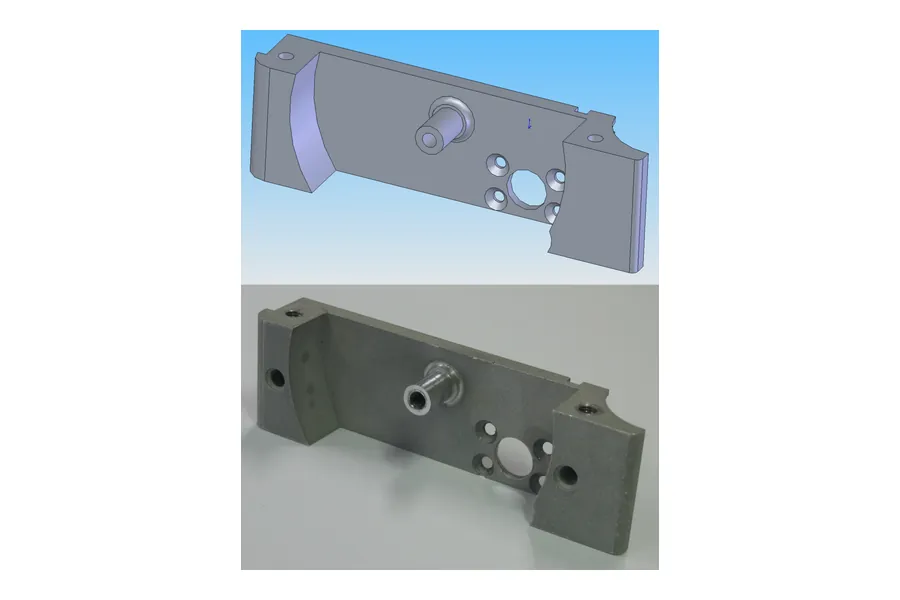
Worked example: an aluminium bracket
Assume a 6061 aluminium bracket, a $90-an-hour shop rate, 1.5 hours of programming and setup, a 12-minute cycle, $8 of material and $4 of finishing per part:
| Quantity | Per part: setup + machining + material and finish | Price per part |
|---|---|---|
| 1 | $135 + $18 + $12 | About $165 |
| 10 | $13.50 + $18 + $12 | About $44 |
| 100 | $1.35 + $18 + $12 | About $31 |
My advice: if you are buying prototypes, ask whether a slightly larger batch costs much more. Very often ten parts cost only two or three times as much as one, because the setup has already been paid for.
What drives the cost up
| Factor | Why it costs more |
|---|---|
| Tight tolerances | Slower cutting, more passes, more inspection; tolerances much tighter than standard can multiply cost |
| Hard materials | Stainless steel and titanium cut much more slowly than aluminium and wear tools faster |
| Many setups | Each time the part is re-clamped adds labour and risk; 5-axis can reduce this |
| Deep pockets and thin walls | Need long tools, slow feeds and careful fixturing |
| Small internal radii | Need tiny cutters and slow machining |
| Surface finish and cosmetic requirements | Extra passes, polishing or finishing |
| Rush delivery | Overtime and bumping other jobs |
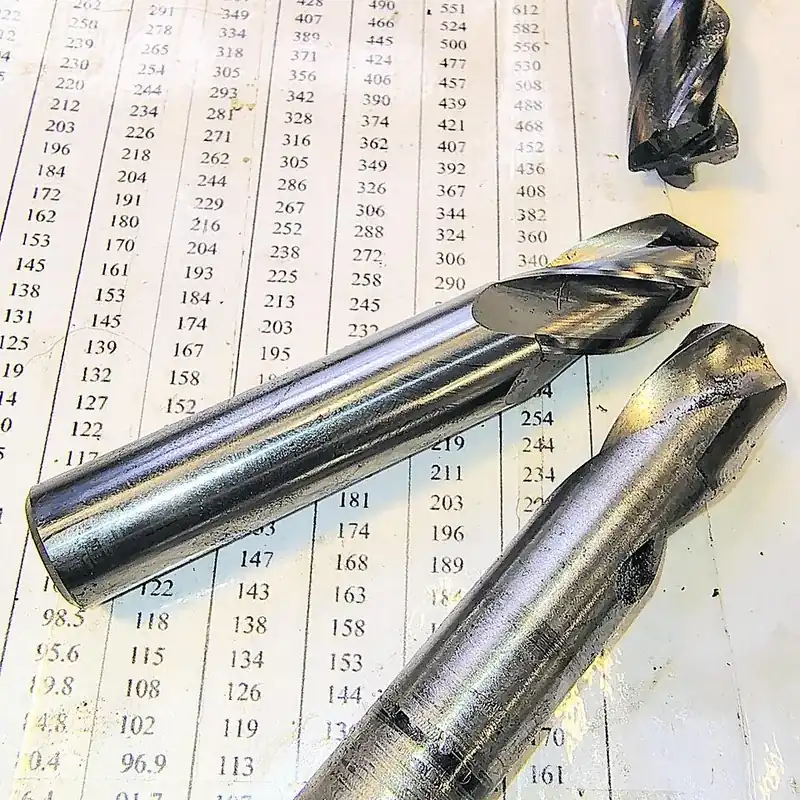
3-axis vs 5-axis: which is cheaper?
| 3-axis | 5-axis | |
|---|---|---|
| Hourly rate | Lower | Typically much higher, often two to three times |
| Setups for complex parts | Several | Often one |
| Best for | Prismatic parts, flat faces, simple features | Complex shapes, multiple angled faces, impellers, aerospace parts |
| Total part cost | Lower for simple parts | Can be lower for complex parts needing four or more 3-axis setups |
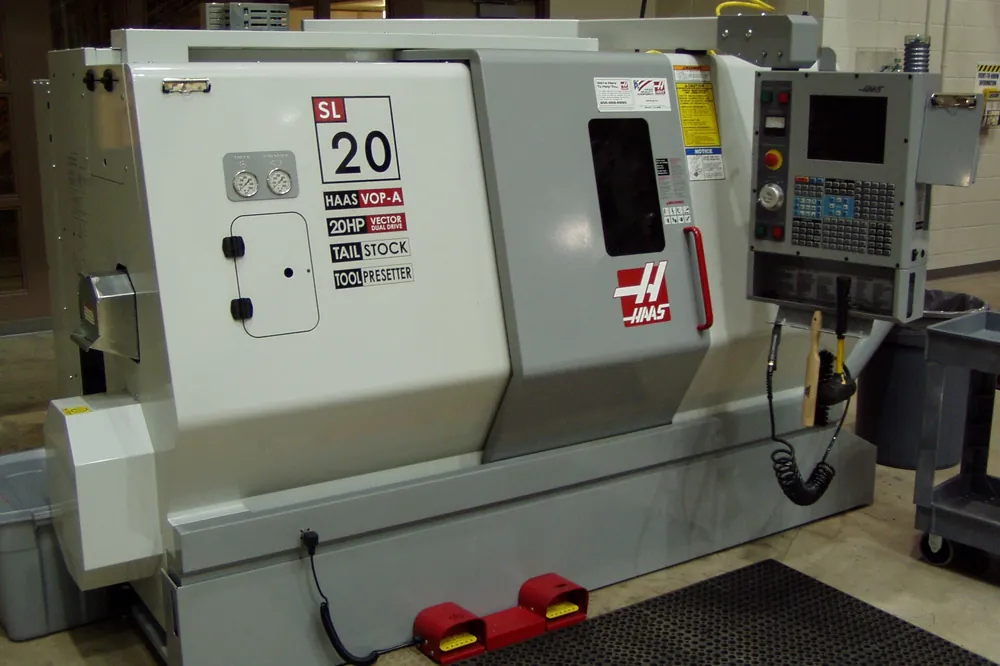
How to reduce CNC machining costs
- Only specify tight tolerances where they matter. Leave the rest at a standard tolerance.
- Choose machinable materials, such as 6061 aluminium, unless the application needs something harder.
- Design for fewer setups: features reachable from one or two sides.
- Use generous internal radii and avoid very deep, narrow pockets.
- Order sensible quantities to spread setup cost.
- Send a clean 3D model and drawing with the critical dimensions highlighted.
- Get several quotes and ask each shop what would make the part cheaper.
If you run a shop and want to price jobs consistently, our guide to machine shop cost estimating walks through building estimates step by step.
More business explainers: how ATM processing works, how to start an ATM business, the ISO 8583 message format, machine shop cost estimating, configuration management in telecom, network configuration management tools.
Frequently asked questions
How much does CNC machining cost per hour?
In the US, roughly $35-$120 per hour for 3-axis milling and $70-$300 for 5-axis, with most 5-axis quotes about $120-$250.
Why is 5-axis machining more expensive?
The machines cost more, need more skilled programming and operators, and are used for complex, high-precision work. They can still lower total cost by cutting setups.
How is a CNC shop rate calculated?
By adding machine depreciation, labour, space and power, tooling and overhead per billable hour, then adding a margin.
How much does a CNC machinist earn?
The BLS put median pay for machinists and tool and die makers at $27.74 an hour in 2024; CNC tool programmers had a median of $30.50 an hour in May 2023.
Why is one CNC part so expensive?
Programming and setup are paid for once per order. On a single part, that cost can be most of the price.
What is the cheapest material to CNC machine?
Aluminium, especially 6061, is fast to cut and widely used. Some plastics are also inexpensive to machine.
Does the CNC rate include material?
Usually not. Material, finishing and inspection are normally priced separately within a quote.
How can I reduce CNC machining costs?
Loosen non-critical tolerances, choose machinable materials, design for fewer setups, use larger radii and order more parts.
Is CNC turning cheaper than milling?
Turning on a lathe is often priced similarly to 3-axis milling and is efficient for round parts.
Do shops charge for programming?
Yes, usually as part of setup or a one-time charge, which matters most on small orders.
Final thoughts
CNC machining in the US typically costs about $35-$120 an hour on 3-axis machines and $120-$250 on most 5-axis work, but what you pay per part depends on setup, cycle time, material, finishing and quantity. Design with machining in mind, specify only the precision you need, and compare full quotes rather than hourly rates.
Sources: Published CNC machining pricing guides from US shops and manufacturing platforms (2025-2026); US Bureau of Labor Statistics, Occupational Outlook Handbook (machinists and tool and die makers, 2024) and Occupational Employment and Wage Statistics (CNC tool programmers, May 2023). Images: Wikimedia Commons, credited in each caption.