Short answer: more than a dozen European countries now offer digital nomad visas, which let non-EU remote workers live there legally while working for employers or clients based abroad. Most require a remote income of roughly €2,500 to €4,500 a month, health insurance, proof of remote work and a clean criminal record.
Popular choices include Portugal (about €3,680 a month in 2026), Spain (about twice its minimum wage), Greece (€3,500 a month net), Croatia, Estonia (€4,500 a month gross), Malta and Italy. Thresholds change often, so always confirm the current figure on the official government website before you apply.
I will be honest with you: “work from a beach in Europe” sounds simple until you discover that a Schengen tourist stay lasts only 90 days in any 180, and that working remotely on a tourist visa sits in a legal grey zone at best. Digital nomad visas fix that. They are not all equal, though: income thresholds, processing times, family rules and tax consequences vary a lot. This guide compares the main options, explains how to choose, and covers the tax question most nomads forget until it is too late.
What a digital nomad visa is
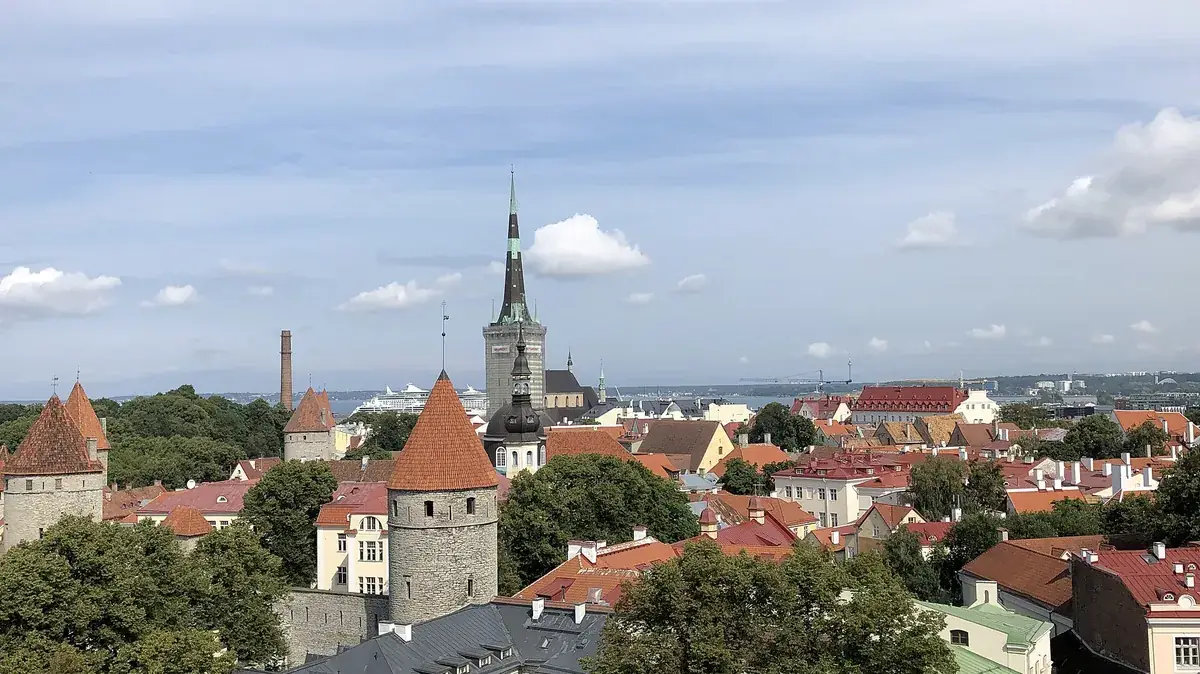
A digital nomad visa (or remote work permit) lets a non-EU citizen live in a country for a year or more while working remotely for an employer or clients located elsewhere. Estonia pioneered the idea in 2020; since then countries across Europe have followed, hoping to attract skilled, well-paid residents who spend money locally without taking local jobs.
| Tourist stay | Digital nomad visa | |
|---|---|---|
| Length | 90 days in any 180 (Schengen) | Usually 1 year or more, often renewable |
| Remote work | Not clearly permitted | Explicitly permitted for foreign employers or clients |
| Local residence registration | No | Yes |
| Family | Each person visits separately | Spouse and children can often join |
Digital nomad visas in Europe compared
| Country | Approx. income needed | Notes |
|---|---|---|
| Portugal (D8) | About €3,680/month (4x the 2026 minimum wage) | Temporary stay or residence options; residence can count towards permanent residence |
| Spain | About €2,700-2,850/month (2x minimum wage) | Can lead to longer residence; access to a special tax regime for some |
| Greece | €3,500/month net | Visa then residence permit |
| Croatia | About €3,600/month (updated 2026) | Up to 18 months; no local tax on foreign remote income during the permit |
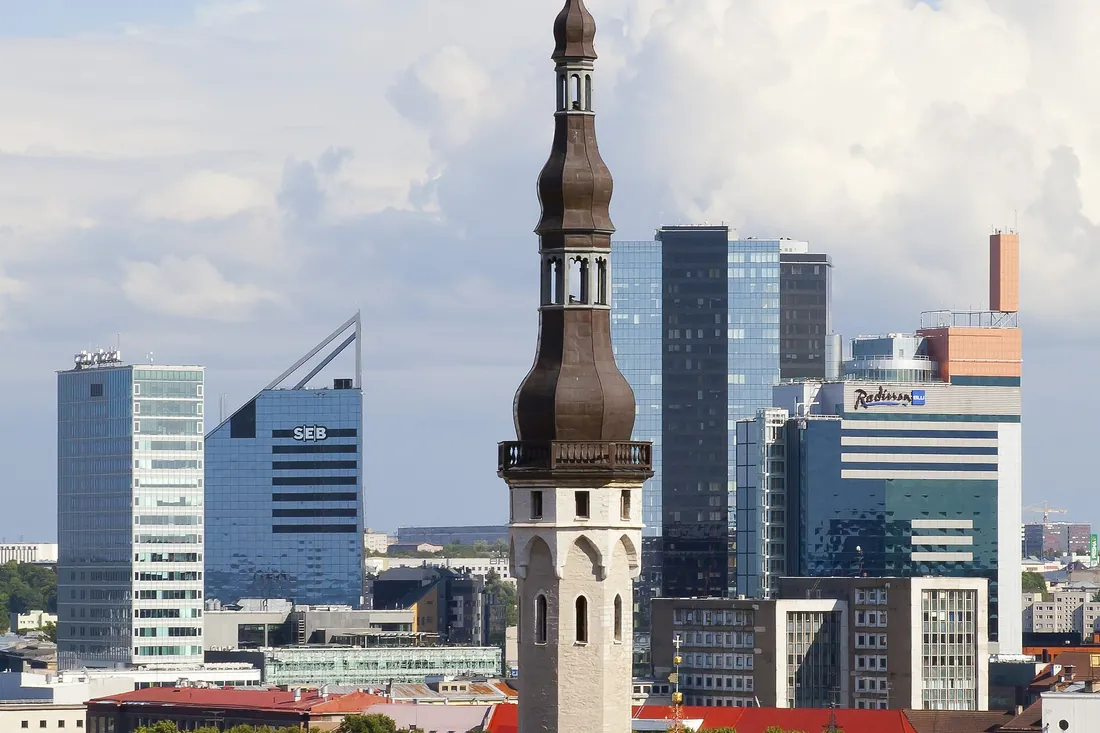
| Estonia | €4,500/month gross | One of the highest thresholds |
| Malta (Nomad Residence Permit) | About €42,000/year gross | Renewable; English-speaking |
| Italy | About €28,000/year | For highly skilled remote workers |
| Hungary (White Card) | About €3,000/month | One year, renewable |

How to choose the right country

Typical requirements
- A non-EU passport (EU citizens can already live and work anywhere in the EU).
- Proof of remote employment or freelance work with clients outside the country, often for at least several months.
- Bank statements, payslips or invoices showing the minimum income or savings.
- Health insurance valid in the country for the whole stay.
- A criminal record certificate from your home country.
- Proof of accommodation, in some countries.
- Sometimes a degree or proof of professional experience (Spain and Italy, for example).
Tax: the part most nomads overlook
A nomad visa is an immigration permission, not a tax exemption. In most countries, spending more than 183 days a year there makes you tax resident, which usually means tax on your worldwide income. A few countries soften this: Spain allows some nomad visa holders to use its special regime for inbound workers, and Croatia does not tax foreign remote income during the nomad permit. Others tax you normally. Your home country may also still claim tax, especially if you keep a home or family there, and US citizens are taxed on worldwide income wherever they live.
My advice: speak to a cross-border tax adviser before you move, not after your first tax bill arrives. The cost of advice is tiny compared with the cost of getting it wrong.

Alternatives if a nomad visa doesn’t fit
| Option | Best for |
|---|---|
| Passive-income visas (Portugal D7, Spain non-lucrative) | Retirees and people living on pensions, rents or investments |
| Portugal golden visa / Greece golden visa | Investors who want residence without moving full-time |
| Malta permanent residence (MPRP) | Families wanting permanent EU residence |
| Malta Global Residence Programme | High foreign earners wanting a predictable tax rate |
| Local work permits | People with a job offer from a European employer |
More living-abroad guides: Malta residency by investment (MPRP), Malta Global Residence Programme, Portugal golden visa, Spain golden visa, Greece golden visa, renting out property in Portugal, the Portugal D7 visa.
Frequently asked questions
Which European country has the easiest digital nomad visa?
Spain and Italy have some of the lower income thresholds; Portugal and Greece are popular for their clear processes and lifestyle. Compare current official figures before deciding.
How much do I need to earn for a digital nomad visa in Europe?
Typically between about €2,500 and €4,500 a month, depending on the country.
Do I pay tax on a digital nomad visa?
Often, yes, if you stay more than 183 days a year and become tax resident. Some countries offer special regimes or exemptions. Get tax advice.
Can digital nomad visas lead to permanent residence?
In some countries, such as Portugal and Spain, time on a nomad residence permit can count towards permanent residence. Check each country’s rules.
Can I bring my family on a digital nomad visa?
Most programmes allow spouses and children, with extra income required for each family member.
Can I work for a local company on a nomad visa?
Generally no, or only to a limited extent. Nomad visas are designed for foreign employers and clients.
Which country launched the first digital nomad visa in Europe?
Estonia, in 2020.
Can I work remotely on a Schengen tourist visa?
Tourist stays are limited to 90 days in any 180 and are not designed for work. A nomad visa is the safer legal route for longer stays.
Do I need health insurance?
Yes. Almost every nomad visa requires health insurance valid in the country for the whole stay.
How long does it take to get a nomad visa?
Usually several weeks to a few months, depending on the country and consulate.
Final thoughts
Europe now offers remote workers more legal ways than ever to live abroad. Choose a country by income threshold, length of stay, family needs and, above all, tax position. Confirm the latest figures with official sources and plan your tax before you plan your flat.
Sources: Official immigration portals and relocation advisers’ 2026 comparisons; Portugal 2026 national minimum wage; Spanish minimum wage and startup law; Estonian Police and Border Guard Board; Croatian Ministry of the Interior. Images: Wikimedia Commons, credited in each caption.