Short answer: Crackstube.com today presents itself as a digital media and news publication, covering technology, finance, business, health, lifestyle and more. But the domain has changed purpose over the years: archived copies in the Internet Archive show it titled “Cracks Tube Full Version Software Downloads” in 2016, a parked domain page in 2019, and a news hub from 2021. That history is why many people still associate the name with cracked software.
Whatever any site offers today, downloading cracked (pirated) software is risky: it is a common way malware spreads, it is illegal copyright infringement, and it leaves you without security updates. Free, legal alternatives exist for almost every type of program.
I will be honest with you: “cracked” software is tempting. Why pay for a photo editor, office suite or game when someone online offers the “full version” free? The answer is that free usually comes at a hidden price, from malware and stolen passwords to legal risk and software that never gets security updates. This guide looks at what Crackstube is now, how a domain can change from one purpose to another, the real dangers of cracked software, and the free and low-cost alternatives that give you the same tools safely.

What we found about Crackstube.com
| Check | Result |
|---|---|
| Domain registered (current record) | 19 October 2015 (public RDAP record) |
| Registration expires | October 2030 |
| Archived title, November 2016 | “Cracks Tube Full Version Software Downloads” |
| Archived page, October 2019 | A registrar’s parked-domain page |
| Archived title, 2021 and 2023 | “Cracks Tube | Ultimate News Hub” |
| Live site, 27 November 2026 | “Crackstube – Digital Media, News & Editorial Insights” |
| Current sections | Technology, Finance, Business, Education, Health, Lifestyle, Travel, Home Improvement, Law, Real Estate |
In other words, the web address that once advertised “full version software downloads” now hosts general articles, on topics from new medicines to restaurant branding and virtual reality gaming. We cannot say from public records whether the same people have run the domain throughout. A parked-domain page in 2019 suggests the domain may have lapsed or changed hands before being relaunched as a news site.
When we visited, the current site did not appear to offer software downloads. As a general publication, its articles should be judged individually, like any multi-topic blog.
How domains change purpose
Domain names are bought, sold, abandoned and re-registered all the time. When a domain expires, anyone can register it, and an old domain with an existing audience and search history can be attractive to new owners. Sometimes the new site continues the old one’s theme; often it does something completely different.
| What happens | Why it matters to you |
|---|---|
| A domain expires and is re-registered | The new site may have nothing to do with the old one |
| A brand name stays, content changes | Reviews and reputations from years ago may no longer apply |
| Old links still point to the domain | Clicking an old link can lead somewhere unexpected |
| Search engines adjust over time | Google’s spam policies target “expired domain abuse” |
In 2024, Google added “expired domain abuse” to its spam policies, describing it as buying expired domains and repurposing them mainly to manipulate search rankings with low-value content. That does not mean every repurposed domain is abusive; many are legitimate fresh starts. But it is a reason to look at what a site offers today. You can see a site’s past for yourself with the Internet Archive’s free Wayback Machine.
What is “cracked” software?
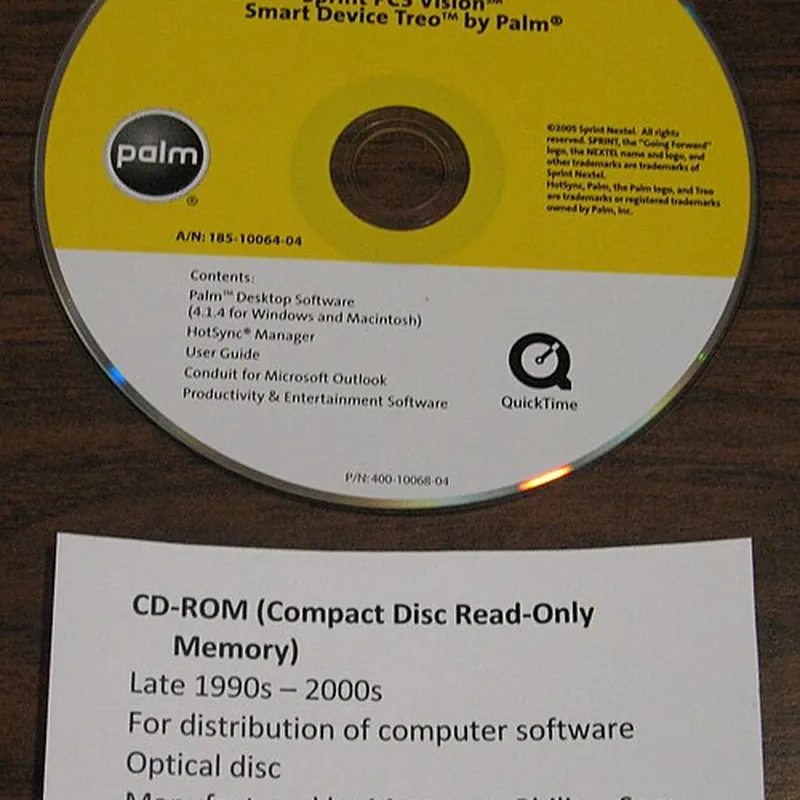
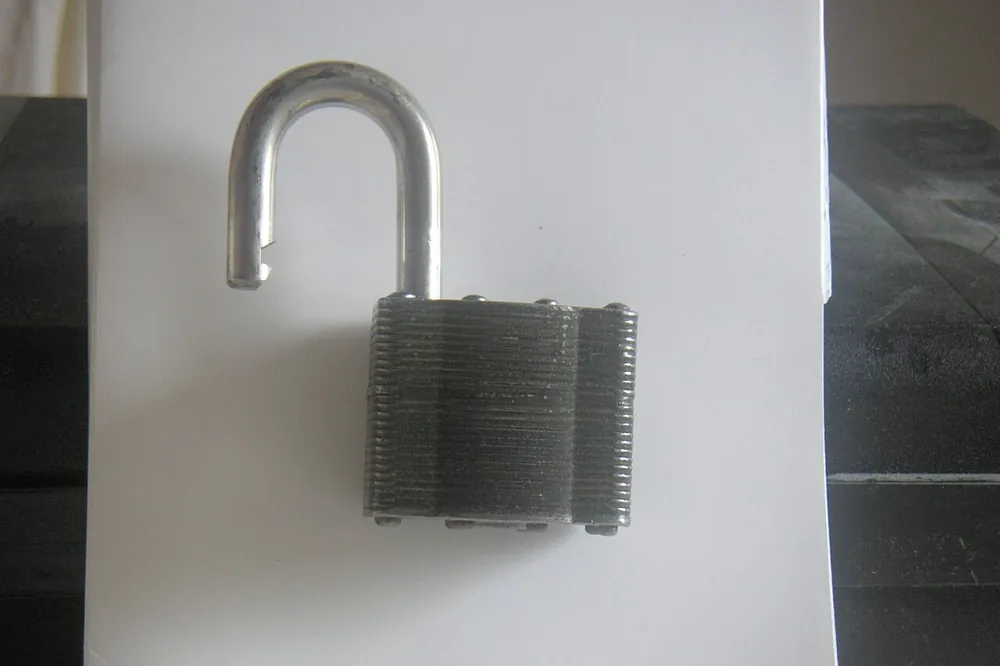
Cracked software is commercial software that has been modified to bypass its licence checks, so it can be used without paying. “Cracks”, “keygens” (key generators) and “patches” are tools that do this. They are typically shared on download sites, forums and file-sharing networks, and they are created and distributed by people with no accountability to you.
The real risks
| Risk | What can happen |
|---|---|
| Malware | Cracks and keygens are a common way to spread viruses, password stealers, cryptominers and ransomware |
| Stolen accounts and data | “Infostealer” malware can capture saved passwords, browser cookies and banking details |
| No security updates | Cracked copies often cannot update, leaving known vulnerabilities unpatched |
| Legal liability | Using or distributing pirated software is copyright infringement; businesses face audits and penalties |
| Unstable software | Modified programs can crash, corrupt files or behave unpredictably |
| Disabled protection | Instructions often tell you to switch off antivirus software, leaving you exposed |
That last point is the biggest red flag of all. If installation instructions ask you to disable your antivirus “because it gives a false alarm”, you are being asked to lower your defences for software built by strangers. Security warnings about cracks are often entirely accurate.
How malware hides in cracks
Security researchers have repeatedly documented “infostealer” malware, such as the widely reported RedLine family, spreading through fake cracks, keygens and “free full version” downloads, often promoted on video platforms and forums. Once installed, infostealers quietly copy saved browser passwords, session cookies, cryptocurrency wallets and autofill data, then send them to criminals who sell or use them. Victims often notice nothing until accounts are taken over weeks later. Because the malware runs inside the program you deliberately installed, and often after you have disabled your antivirus, it can be very hard to spot.
Spotting fake download buttons
Download sites, especially those offering pirated software, are often covered in large “Download Now” buttons that are actually adverts leading to unrelated programs, browser extensions or scams. The real link, if there is one, is usually small and plain. If you cannot tell which button is genuine, that alone is a reason to leave the site.
How common is software piracy?
The software industry group BSA reported in its 2018 Global Software Survey that 37% of software installed on personal computers worldwide was unlicensed, with rates varying widely by region. It also linked unlicensed software to a higher risk of malware infection, one reason many organisations treat licence compliance as a security issue, not just a legal one.
My advice: if you are tempted by a cracked program, ask what the person sharing it gains. Cracking software takes skill and effort; some distributors are motivated by ideology or reputation, but others make money by bundling malware or adware with the download. You rarely know which kind you are dealing with.
Cracked games and modded apps
Gamers are a major target. Cracked games, “free” cheat tools and modded game files are popular ways to distribute malware, partly because players are often willing to disable security software to make them work. There are better options: free-to-play games, frequent store sales, subscription services and the free games some stores give away on a regular basis.
On phones, modded or “premium unlocked” apps, often shared as APK files for Android, carry similar risks. Installing apps from outside official stores bypasses checks such as Google Play Protect, and modified apps can request excessive permissions, show intrusive adverts or steal data. Stick to official app stores and be wary of any app asking for permissions it does not obviously need.
Why businesses should be especially careful
For organisations, unlicensed software is a security, legal and financial risk all at once. Software publishers and industry groups conduct licence audits, which can lead to backdated licence fees and penalties. Unpatched pirated software can open the door to ransomware that halts operations. Insurers and customers increasingly expect proper software management, and some security standards require it. Keeping an inventory of installed software and its licences, and buying through reputable channels, is far cheaper than dealing with an audit or a breach.
Is it illegal to download cracked software?
In most countries, yes. Software is protected by copyright, and using or distributing unlicensed copies infringes that copyright. In the UK, the Copyright, Designs and Patents Act 1988 applies; in the US, the Copyright Act and the Digital Millennium Copyright Act prohibit circumventing licence protections. Enforcement against individual home users is relatively rare, but businesses can face software audits, fines and legal claims, and anyone can face consequences from the malware that often comes with pirated files.
Free and legal alternatives
For almost every popular paid program, there is a free, legal alternative, often open-source software developed by global communities and used by millions:
| Instead of cracking… | Try this free alternative | Notes |
|---|---|---|
| An office suite | LibreOffice; Google Docs; Microsoft’s free web apps | Opens most common file formats |
| A photo editor | GIMP; Photopea (web); Krita for painting | Powerful editing tools |
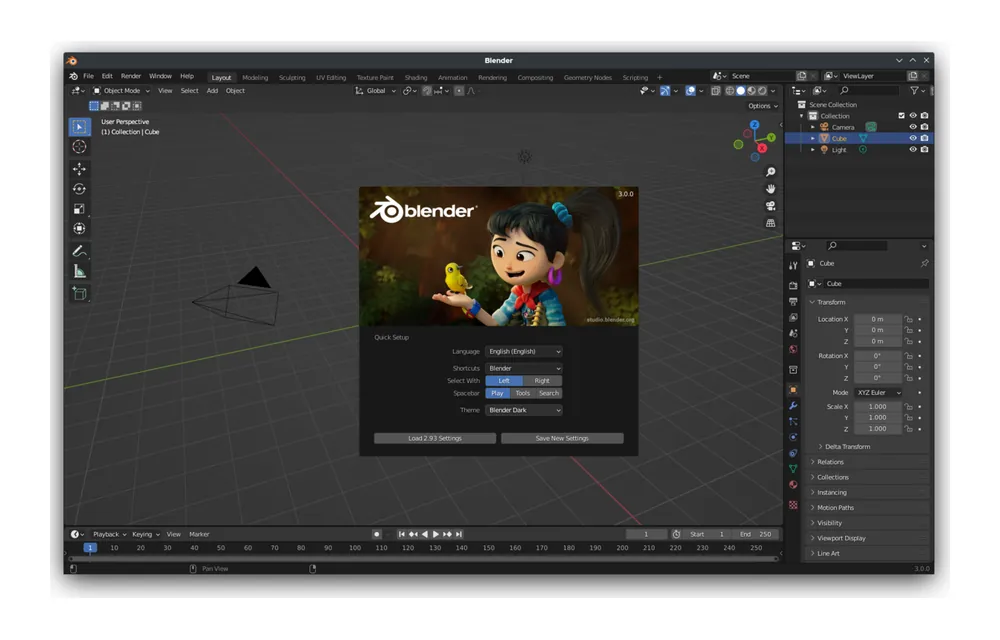
| 3D modelling and animation | Blender | Used professionally in film and games |
| Vector graphics | Inkscape | Logos, illustrations, diagrams |
| Audio editing | Audacity | Recording and editing sound |
| Video editing | Shotcut; DaVinci Resolve (free version) | Capable editing for most projects |
| Antivirus | Built-in Microsoft Defender on Windows | Good baseline protection |
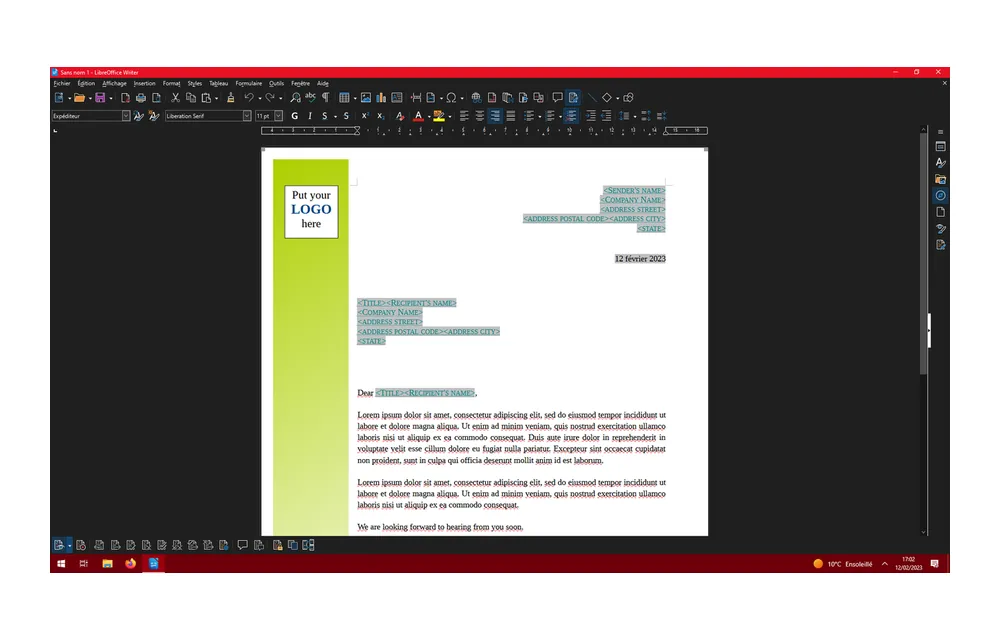
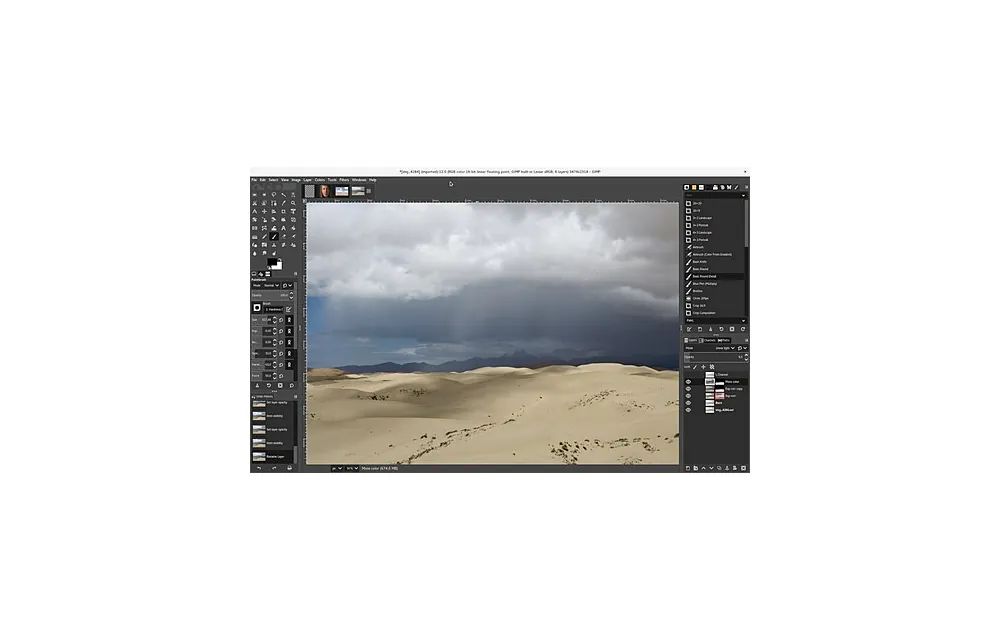
Blender deserves special mention: this free, open-source 3D creation suite is used by independent artists and studios alike, and has been used in award-winning films. It shows how far free software has come.
A brief history of software piracy
Software piracy is almost as old as personal computing. In 1976, a young Bill Gates wrote an “Open Letter to Hobbyists” complaining that people were copying Microsoft’s BASIC software without paying. In the 1980s and 1990s, a “warez” scene of groups competed to crack and share software and games, first on floppy disks and bulletin boards, later over the internet. The industry responded with copy protection, product keys, online activation and organisations such as BSA, founded in 1988, to campaign against piracy.
More recently, subscriptions, cloud-based software, app stores and free-to-play models have changed the picture: when software is affordable, convenient and constantly updated, fewer people look for cracks. At the same time, free and open-source software has grown into a genuine alternative for many everyday tasks.
What is open-source software?
Open-source software is released with its source code available, under licences that allow anyone to use, study, modify and share it. It is usually free to download and is developed by communities of volunteers, companies and foundations. Well-known examples include the Linux operating system, the Firefox browser, LibreOffice, GIMP, Blender and Audacity. Because the code is public, security problems can be found and fixed by many people, though, like any software, open-source programs must still be downloaded from official sources and kept updated.
Choosing open-source software is not a compromise for many users. It is legal, free, often excellent, and supports communities that make useful tools available to everyone.
Other legal ways to save money on software
- Free tiers and trials: many programs offer free versions or long trials.
- Student and teacher discounts: often large reductions, or free access, for education.
- Older versions or perpetual licences: sometimes cheaper than subscriptions.
- Bundles and sales: game and software stores run regular discounts.
- Workplace or library access: employers and libraries sometimes provide licences.
How to download software safely
For a deeper look at unfamiliar download sites, see our guide to downloading software safely, and for spotting unreliable online services, our guide to SEO tools that promise instant results.
If you have already installed cracked software
- Disconnect from the internet if you notice strange behaviour.
- Uninstall the cracked program and delete any downloaded files.
- Run a full scan with up-to-date antivirus software, ideally plus a second-opinion scanner.
- Change important passwords from a different, clean device, starting with email and banking.
- Turn on two-factor authentication for key accounts.
- Watch bank statements for unusual activity; if in doubt, seek professional help or reinstall your system.
Quick checklist
- Check what a site is today, not what its name suggests.
- Never download “full version” software from unofficial sites.
- Never disable antivirus to install anything.
- Use free open-source alternatives or legal discounts instead.
- Keep your software updated from official sources.
More from our Tech section: image search techniques, the 785 area code, SEO tools that promise instant results, how to judge business advice blogs, vetting startup advice sites, fact-checking knowledge sites, finding reliable legal information online, anonymous Instagram story viewers, guest-post platforms explained.
Frequently asked questions
What is Crackstube?
Today, a digital media and news website. Archived snapshots show the domain was titled “Cracks Tube Full Version Software Downloads” in 2016 and became a news hub from 2021.
Is Crackstube safe?
When we visited in November 2026, it presented as a general news site rather than a download site. Avoid any site offering cracked software.
Does Crackstube offer cracked software now?
We did not see software downloads on the current site when we checked.
What is cracked software?
Commercial software modified to bypass licence checks so it can be used without paying.
Is cracked software dangerous?
Yes. It is a common way malware spreads, it cannot usually be updated, and it often requires disabling antivirus.
Is downloading cracked software illegal?
In most countries, yes; it infringes copyright and, in some places, laws against circumventing protections.
How common is software piracy?
BSA’s 2018 survey estimated that 37% of PC software worldwide was unlicensed.
What are free alternatives to paid software?
LibreOffice, GIMP, Blender, Inkscape, Audacity, Shotcut and others.
How can I see what a website used to be?
Use the Internet Archive’s Wayback Machine to view archived snapshots.
What should I do if I installed a crack?
Uninstall it, run full antivirus scans, change passwords from a clean device and enable two-factor authentication.
Final thoughts
Crackstube.com shows how a web address can travel from “full version software downloads” to general news over a few years, which is a good reminder to judge sites by what they are now. And whatever site offers it, cracked software is a bad bargain: the risks to your security, data and legal standing far outweigh the savings, especially when excellent free alternatives are a click away.
Sources: Internet Archive Wayback Machine snapshots of crackstube.com (2016, 2019, 2021, 2023); our own check of the live site and RDAP registration record (27 November 2026); Google Search Central spam policies (expired domain abuse, 2024); BSA Global Software Survey (2018); UK Copyright, Designs and Patents Act 1988; US Copyright Act and DMCA. Images: Wikimedia Commons, credited in each caption.