
Short answer: “Ight” (pronounced like “ite”, rhyming with “bite”) is slang for “alright”. In a text it usually means “OK”, “sounds good” or “got it”, as in “Meet at 7?” “Ight.” It can also mean “fine” or “decent” (“The film was ight”), or ask if someone is OK (“You ight?”).
It comes from “aight”, the way “alright” is often pronounced in African American Vernacular English (AAVE); dictionaries date both spellings in writing to the 1990s. It is very casual: fine with friends, but not for work emails or formal messages.
I will be honest with you: “ight” can be confusing the first time you see it, because it looks like half a word. It is not a typo. It is one of the most common replies in texting, gaming chats and social media, especially among younger people. This guide explains exactly what it means in different situations, how to say it, where it came from, how to use it respectfully, and the related slang you are likely to see alongside it.

What does “ight” mean?
At its core, “ight” is a shortened spelling of “alright”. Because “alright” itself has several meanings, “ight” does too. Context tells you which one is meant.
| Meaning | Example | What it is saying |
|---|---|---|
| OK / agreed | “Can you grab milk?” “Ight.” | Yes, I will |
| Got it / understood | “Practice moved to 5.” “Ight.” | Message received |
| Fine / decent / so-so | “How was the party?” “It was ight.” | It was OK, nothing special |
| Are you OK? | “You ight? You seemed quiet.” | Checking on someone |
| Sign-off / goodbye | “Ight, see you tomorrow.” | Wrapping up the conversation |
The most common use by far is the first: a quick, relaxed “OK”. When someone replies “ight” to a plan or request, they are agreeing, usually without much fuss.
How do you pronounce “ight”?
“Ight” is pronounced like the word “ite”, rhyming with “bite”, “kite” or “light” without the l. Its parent word, “aight”, is often pronounced with a little extra at the start, something like “ah-ite”. Both are spoken versions of “alright” with the middle sounds dropped, which is how many casual words form: “going to” becomes “gonna”, “want to” becomes “wanna”, and “alright” becomes “aight” and then “ight”.
| Spelling | Sounds like | Notes |
|---|---|---|
| alright / all right | “awl-rite” | Standard English |
| aight / a’ight | “ah-ite” | Casual; the original slang spelling |
| ight / iight | “ite” | The shortest texting form |
| ite / aite | “ite” | Less common spellings of the same word |
Where does “ight” come from?
According to Dictionary.com, “all right” became “aight” in colloquial Black English, and that was further shortened to “ight”. Dictionary.com dates both spellings in writing to the 1990s, while noting that the spoken forms were almost certainly around well before then. Collectors of early citations for the American Dialect Society have traced written examples to 1993 (in a phrase like “I’m a-aight”) and 1994 for the interjection.
Hip-hop and R&B helped carry “aight” to a wider audience in the 1990s and 2000s, as lyrics, interviews and radio introduced African American speech patterns to listeners everywhere. In the UK, “ight” also became part of Multicultural London English, the youth dialect that grew up in diverse London neighbourhoods. Then texting, instant messaging and social media did the rest: a four-letter reply that sounds exactly like speech was perfect for quick messages.

- Before the 1990s“Aight” used in speech in African American communities.
- 1993-1994Earliest written citations collected by language researchers.
- 1990s“Aight” and “ight” spread through hip-hop, R&B and youth culture.
- 2000sInstant messaging and early texting make “ight” a common reply.
- 2010sSocial media and gaming chats spread it further; it appears in London slang too.
- 2019The “Ight, imma head out” meme makes the word a pop-culture catchphrase.
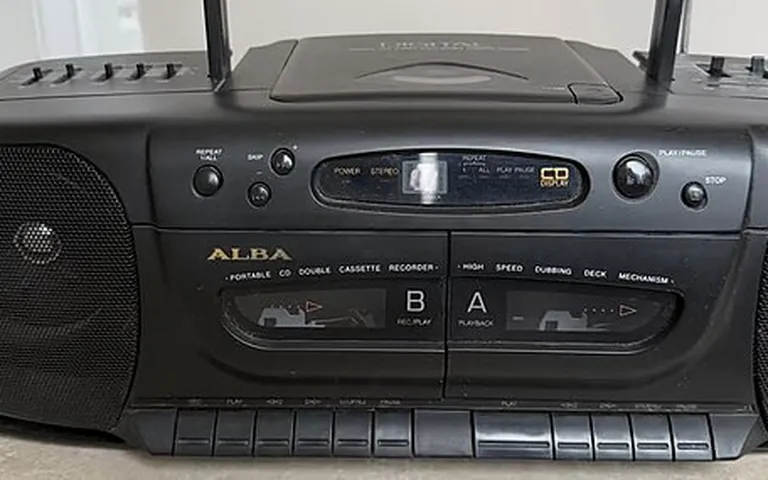
How words like “ight” are formed
“Ight” is a textbook example of how everyday speech reshapes words. Linguists have names for each step:
| Process | What happens | Example |
|---|---|---|
| Elision | Sounds are dropped in fast, relaxed speech | “all right” → “aight” |
| Clipping | A word is shortened further | “aight” → “ight” |
| Phonetic (eye-dialect) spelling | Writing a word the way it sounds | “gonna”, “wanna”, “ight” |
| Semantic broadening | A word gains new uses | “ight” as OK, so-so, goodbye or “are you OK?” |
None of this is lazy or wrong. All languages change this way, and many standard English words started life as casual contractions. “Goodbye”, for example, is a shortened form of “God be with you”. What makes “ight” stand out is how quickly texting turned a spoken form into a written one, so that a pronunciation became a spelling in little more than a generation.
What about “alright” itself?
Even the parent word has a history of debate. Traditional style guides long preferred “all right” as two words and treated “alright” as informal or incorrect. Many dictionaries now accept “alright” as a common variant, though some editors and style guides still recommend “all right” in formal writing. So “ight” is a casual form of a word that was itself once considered too casual, a neat reminder that today’s slang can become tomorrow’s standard English.
“Ight” in the US and the UK
| United States | United Kingdom | |
|---|---|---|
| Main source | African American Vernacular English | Multicultural London English, influenced by US hip-hop and Caribbean English |
| Common forms | “aight”, “ight”, “ight bet” | “ight”, often alongside “safe”, “allow it”, “innit” |
| Typical users | Widespread among young people; strongest in Black communities | Young people in London and other cities, then nationwide online |
| Where you see it | Texts, social media, gaming, music | Texts, social media, grime and drill lyrics |
Online gaming has also spread “ight” around the world. In voice and text chat, quick acknowledgements matter, and “ight” or “aight” is a natural reply to a teammate’s plan, used by English-speaking players far beyond the US and UK.
“Ight, imma head out”: the meme
Many people first met “ight” through a meme. Around 2019, an image of the cartoon character SpongeBob SquarePants getting up from a chair, captioned “Ight imma head out”, spread widely online. It is used as a joke reaction when a conversation or situation becomes awkward, boring or too intense: the speaker politely announces they are leaving. “Imma” is casual for “I’m going to”, so the phrase means “Alright, I’m going to leave now.”
People still use it in everyday chat, often without the image: if a group chat turns into an argument, someone might type “ight imma head out” to signal they are bowing out, with a wink.
How to use “ight” in a message
| Situation | Natural use | Notes |
|---|---|---|
| Agreeing to a plan | “Ight, 7 works.” | Relaxed and friendly |
| Acknowledging info | “Ight, thanks.” | Adding “thanks” softens it |
| Rating something | “The food was ight.” | Means average, not great |
| Checking on a friend | “You ight?” | Caring, not rude |
| Ending a chat | “Ight, night!” | Casual goodbye |
| Joking exit | “Ight imma head out” | Meme reference |

Example conversations
Making plans
- “Cinema Friday?” “Ight, what time?”
- “I’ll grab the tickets.” “Ight bet, I’ll pay you back.”
- “Running 10 mins late.” “Ight, no rush.”
Giving an opinion
- “Did you like the new album?” “It’s ight, not their best.”
- “How’s the new job?” “Ight so far, still learning.”
Checking in
- “You ight? You left early.” “Yeah, just tired.”
- “Heard about your exam, you ight?” “Ight now, thanks for asking.”
Signing off
- “Ight, gotta go, talk later.”
- “Ight, night!”
- “This chat is getting heated… ight imma head out”
Notice how often a second phrase follows “ight”. On its own it can feel flat; paired with a question, a thank-you or a joke, it sounds relaxed and friendly.
Is “ight” rude?
Not usually, but very short replies can read as cold. A lone “ight” in response to a long, thoughtful message can feel dismissive, much like replying “k”. Tone is especially hard to read in text, so a few small additions help.
| Can feel abrupt | Feels friendlier |
|---|---|
| “ight.” | “ight, sounds good!” |
| “ight” (after a long apology) | “ight, thanks for explaining, we’re good” |
| “ight” (to bad news) | “ah man, ight, let me know if you need anything” |
| “it was ight” (about a friend’s cooking) | “it was really good, thank you” |
My advice: match the energy of the person you are talking to. If they send a quick “dinner at 8?”, “ight” is perfect. If they send a paragraph, reply with more than one word.
When not to use “ight”
- Work emails or messages to clients: use “OK”, “Sounds good” or “Thanks, noted”.
- Job applications and interviews: keep to standard English.
- Teachers, managers or anyone you have a formal relationship with, unless they use it with you first.
- Serious or emotional conversations, where a one-word reply can seem uncaring.
- Older relatives who may not know it; “OK” avoids confusion.
Using “ight” respectfully
Dictionary.com notes that “ight” is closely associated with Black English, and that its use by people outside that community may be seen by some as cultural appropriation. In practice, “ight” is now extremely widespread in casual texting among young people of many backgrounds. Still, it is worth knowing where the word comes from. Using it naturally in casual conversation is common; using it as a joke, a caricature or a way to sound “cool” can come across badly.
The same applies to a lot of popular slang: words such as “bet”, “lit”, “woke” and “on fleek” have roots in African American speech before they spread into mainstream use. Knowing a word’s history is part of using it well.
“Ight” vs similar slang
| Slang | Meaning | Compared with “ight” |
|---|---|---|
| bet | OK / deal / for sure | More enthusiastic; “ight bet” combines both |
| k / kk | OK | Can seem curt (“k”) or friendly (“kk”) |
| say less | Got it, no need to explain | Eager agreement |
| word | Agreed / true | Older slang, also from AAVE |
| cool / coolio | OK, good | Neutral and widely understood |
| fr | For real | Emphasises agreement |
| aight | Alright | The original longer spelling of “ight” |
“Ight bet” is a popular combination meaning “OK, deal” or “sounds good, definitely”. You might see it in reply to a plan: “We’ll pick you up at 6.” “Ight bet.”
Is it “ight” or a typo?
Because “ight” is the end of so many English words, people sometimes wonder whether a message contains a typo. Context usually makes it clear.
| If the message says… | It probably means… |
|---|---|
| “ight, see u there” | Alright (slang) |
| “good ight” | A typo for “good night” |
| “turn off the ight” | A typo for “light” |
| “you’re ight” | Either “you’re alright” (slang) or a typo for “right”; check the context |
| “ight ight” | An emphatic “alright, alright”, often meaning “OK, I hear you” |
Why short replies rule texting
Texting rewards speed. On a phone keyboard, every letter takes effort, and in a fast-moving group chat a reply that takes too long arrives after the conversation has moved on. That is why so many texting staples are tiny: “k”, “ok”, “ty”, “np”, “lol”, “bet” and “ight”. They acknowledge a message, keep the conversation flowing and signal tone, all in a couple of taps.
Each community develops its own set of these quick replies, and they change over time. “Ight” has proved unusually durable because it sounds exactly like the spoken word, carries a relaxed, friendly tone, and is flexible enough to mean agreement, acknowledgement, a rating or a goodbye. Slang often fades within a few years; “aight” and “ight” have now been in use for more than three decades.
How to reply to “ight”
Usually you do not need to reply at all: “ight” often closes a topic. If it was an answer to “You coming?”, you can just carry on. If someone asks “You ight?”, answer honestly: “Yeah I’m good, just tired” or “Not really, can we talk later?” And if someone says your cooking was “ight”, well, you know where you stand.
A note for English learners
If English is not your first language, “ight” is a word to recognise rather than rush to use. You will see it constantly in messages from native speakers, especially younger ones, so knowing that it means “alright” or “OK” will save you confusion. When you reply, “OK”, “Sounds good” or “Alright” are always safe and natural. Once you are comfortable with the people you are chatting with and notice them using “ight” themselves, using it back will sound relaxed and natural rather than forced.
The same advice applies to most slang: learn to understand it first, use it later, and pay attention to who uses it, where and with whom. Slang that sounds friendly in a group chat can sound odd in a classroom or office.
Quick reference
| “Ight” | |
|---|---|
| Means | Alright: OK, got it, fine, are you OK?, goodbye |
| Pronounced | “ite” (rhymes with “bite”) |
| Comes from | “aight”, from “all right”, in African American Vernacular English |
| First written | 1990s |
| Register | Very informal |
| Safe alternatives | OK, Sounds good, Alright, Got it |
For parents and teachers
If you see “ight” in your child’s or students’ messages, it is almost always just “OK”. It is not a code word or anything worrying. It is one of thousands of everyday slang terms young people use to communicate quickly. If you are unsure what a message means, asking is usually better than guessing; most young people are happy to explain, and you may learn a few more along the way.

For other abbreviations you may meet in messages, see what FWIW means, and for the wider world of English usage, our guide to commonly confused words.
More text slang explained: what FWIW means.
Frequently asked questions
What does “ight” mean in text?
It is slang for “alright” and usually means “OK”, “got it” or “sounds good”.
How do you pronounce “ight”?
Like “ite”, rhyming with “bite”.
Where does “ight” come from?
From “aight”, a pronunciation of “alright” in African American Vernacular English; both spellings appear in writing from the 1990s.
What does “it was ight” mean?
It was OK or average: not bad, not great.
What does “you ight?” mean?
Are you OK? It is a way of checking on someone.
What does “ight imma head out” mean?
“Alright, I’m going to leave.” It comes from a popular SpongeBob meme used to exit awkward situations jokingly.
Is “ight” rude?
Not usually, but a one-word “ight” in reply to a long message can feel cold. Adding a few words helps.
Is “ight” the same as “aight”?
Yes. “Ight” is a shorter spelling of “aight”, which is short for “alright”.
What does “ight bet” mean?
OK, deal: a relaxed way of agreeing to a plan.
Can I use “ight” at work?
Avoid it in formal or professional messages. Use “OK”, “Sounds good” or “Thanks”.
Final thoughts
“Ight” means “alright”: usually “OK” or “got it”, sometimes “fine” or “are you OK?”. It grew from “aight” in African American speech, spread through hip-hop and texting, and is now one of the most common replies in casual messages. Use it with friends, add a word or two when warmth matters, and switch to “OK” when the setting calls for it.
Sources: Dictionary.com slang dictionary, entry for “ight”; Wiktionary, entry for “aight”; American Dialect Society mailing list (early citations, 1993-1994); research on Multicultural London English; coverage of the “Ight imma head out” meme (2019). Images: Wikimedia Commons, credited in each caption.